While contactless credit cards are now widely used, the technology behind them is not new. It has been around for many years, providing a convenient way to make payments without physical contact. For instance, MasterCard first introduced contactless cards as early as 2003.
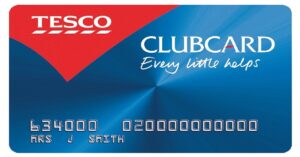

If you are unsure about what contactless credit cards are or how they actually function, you have come to the right place. This article will guide you through the features, benefits, and practical use of these cards, helping you understand why they are increasingly becoming the preferred choice for many consumers.
What Exactly Are Contactless Cards?
This concept relies on contactless technology known as NFC (Near Field Communication). These cards usually come equipped with an NFC chip along with a radio frequency (RFID) antenna embedded within them. This is also why they are commonly referred to as RFID chip credit cards or simply RFID credit cards in the payments industry.
When shopping with these contactless cards, you only need to wave the card over the payment terminal. The terminal then uses a one-time code combined with radio frequencies to complete the transaction securely. You will not need to sign, swipe, or insert your card into the machine, making the process much simpler.
This technology allows the purchase process to be faster than using traditional EMV chip card technology, as the entire transaction usually takes just a few seconds. If you are looking to make quick and convenient payments, these contactless cards will work perfectly for you in most everyday shopping scenarios.
Contactless Payments
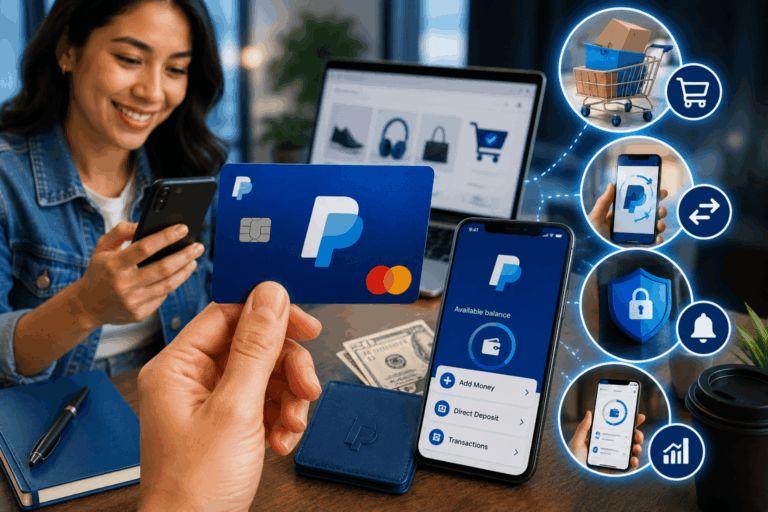
There is also the tap-and-pay kind of technology that can be embedded in watches and phones. Most of the modern contactless technologies involve the use of digital wallets such as Apple Pay and Google Pay. For instance, there are RFID antennae that are used by contactless credit cards to complete payments.
To use your phone for payments, you first need to download the appropriate tap-and-pay service compatible with your device. Ensure that the app is official and secure before linking your credit or debit card. Once set up, you can make payments quickly and conveniently using just your phone.
Bottom Line
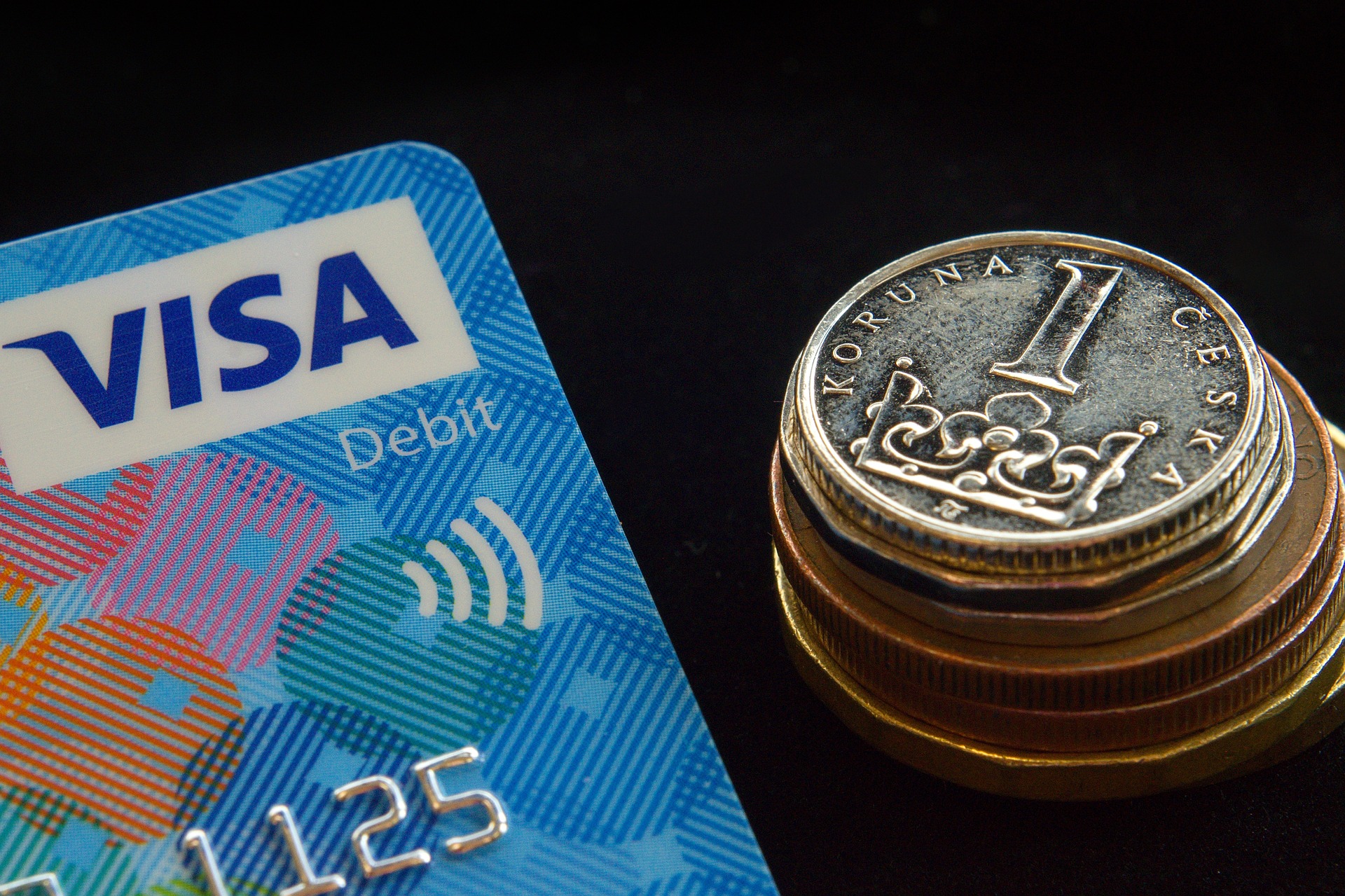
When these contactless cards first entered the American market, they were not widely adopted or considered a big deal. Today, more merchants are embracing the technology, and consumers are quickly jumping on the bandwagon. It is clear that this technology is here to stay and will continue to be part of everyday transactions for years to come.