Apple Pay is a mobile digital wallet and contactless payment system built into Apple devices. It enables users to pay in person, within apps, and online by adding credit or debit cards to their Wallet. This convenience makes everyday transactions faster and more seamless. Because the system uses NFC technology, it’s accepted anywhere that supports contactless payments, making it highly versatile.
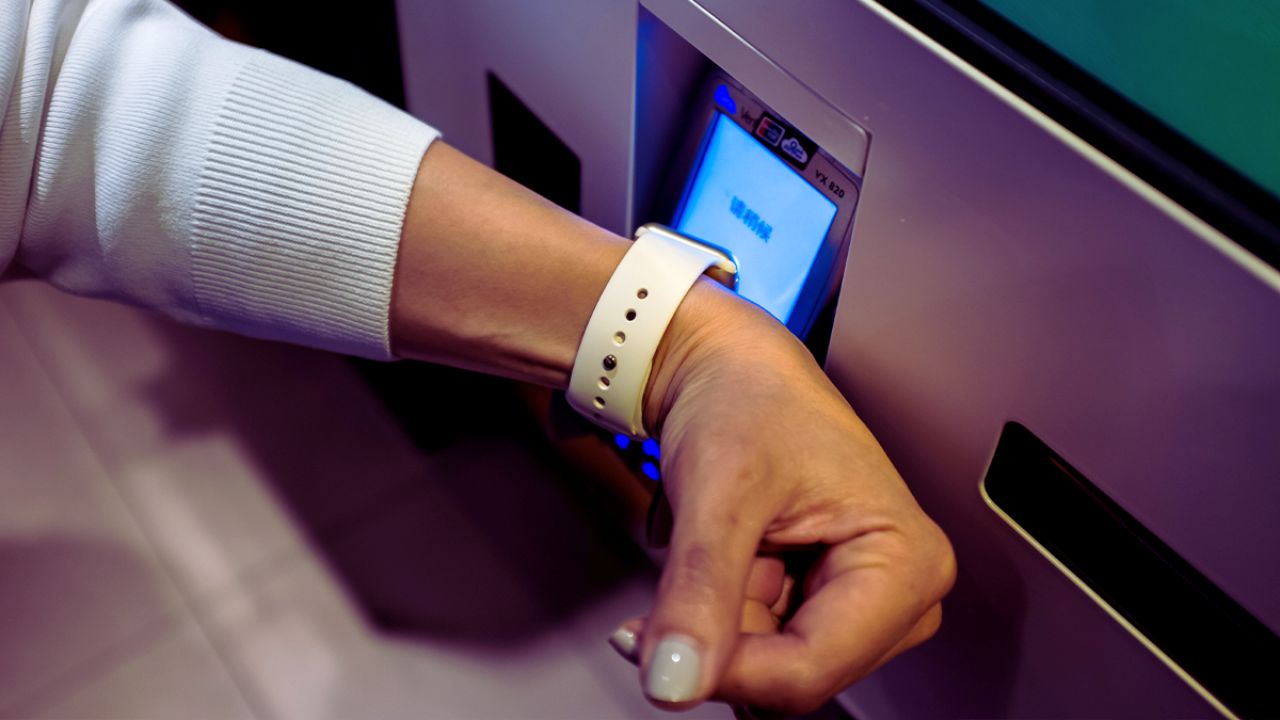
Apple Pay works across devices like iPhones, Apple Watches, iPads, Macs, and the new Apple Vision Pro. Users simply authenticate via Face ID, Touch ID, or passcode. It offers a convenient alternative to using traditional cards while maintaining high security standards and device-level encryption.




How It Works at Checkout
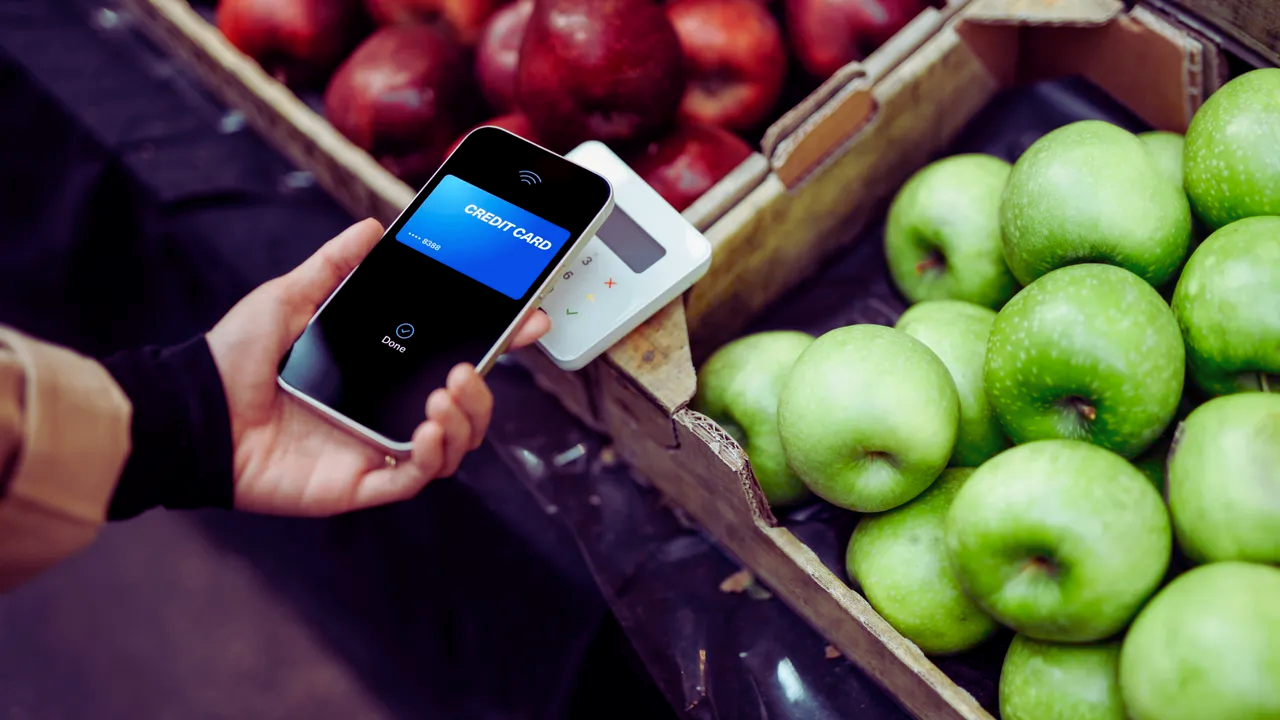
At a store, users hold their device near an NFC-enabled terminal and authenticate the purchase. A unique, one-time token replaces actual card data during transmission, safeguarding sensitive details. This tokenization ensures that merchants never see your real card number, enhancing data protection at the point of sale.
Online or within apps, users select Apple Pay at checkout instead of manually entering card details. Authentication via biometrics or passcode finalizes the transaction. This streamlined experience speeds up checkout while keeping payments secure and private.
Security by Design
Apple Pay uses a secure hardware element, known as the Secure Element, to store device-specific payment tokens. Each transaction generates a dynamic security code, ensuring that data cannot be reused or intercepted. Even if someone intercepts the wireless signal, the unique cryptogram ensures the transaction cannot be replicated.
Another security layer comes from Apple’s authentication methods. A transaction can only be approved with Face ID, Touch ID, or a passcode. This combination of hardware-based tokenization and biometric protection fortifies Apple Pay against fraud.
No Fees for Users or Merchants
Apple Pay does not charge fees to consumers or merchants for using the service. Apple generates revenue through small interchange fees paid by the card issuer rather than the user. That makes using Apple Pay cost-neutral, while still delivering advanced security and convenience.
Global Adoption and Availability
Apple Pay is supported across dozens of countries and territories, with broad adoption among major retailers and banks. The service can be added by scanning card details or entering them manually in the Wallet app. As long as the merchant accepts contactless payments, Apple Pay will typically work, even abroad.
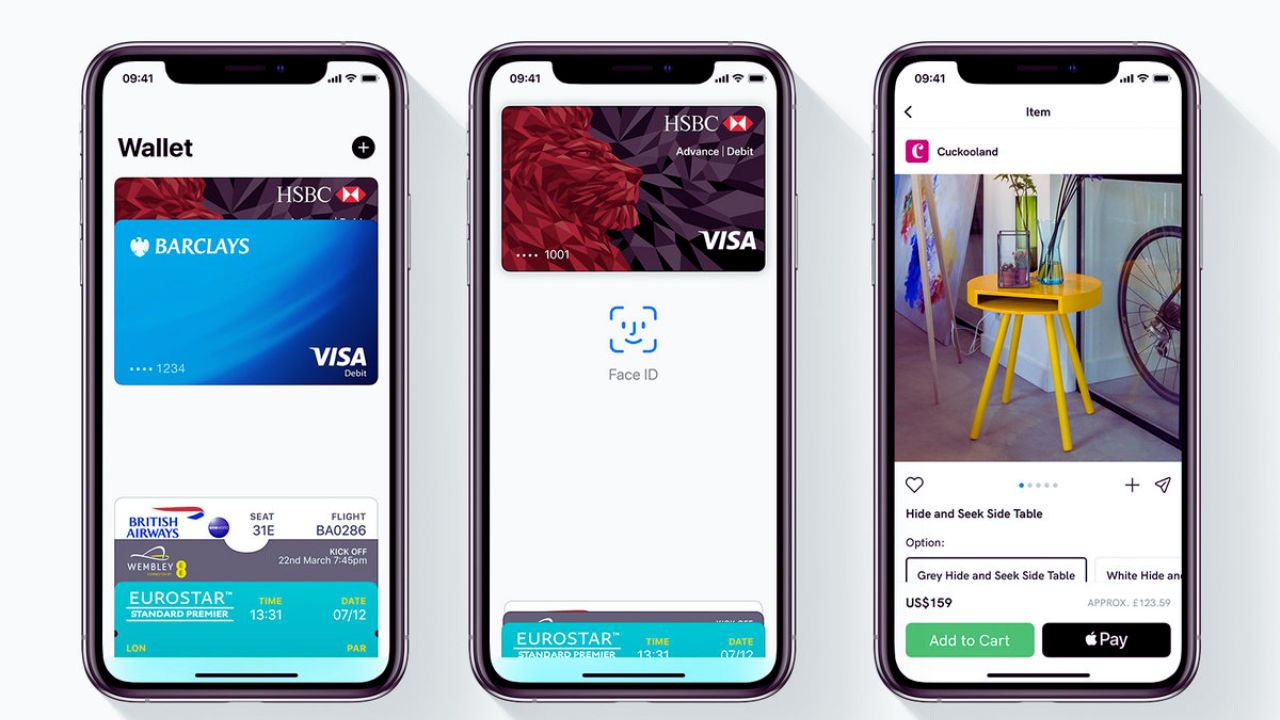
Image Source: WorkinGeeks
Summary of Benefits
Apple Pay offers fast, secure, and convenient payments across Apple devices. With encrypted tokenization and biometric authentication, it protects sensitive data while enhancing the payment experience. Whether shopping in-store or online, users benefit from frictionless transactions with no added fees. For Apple users, it acts as a reliable, private, and universally accepted digital wallet.