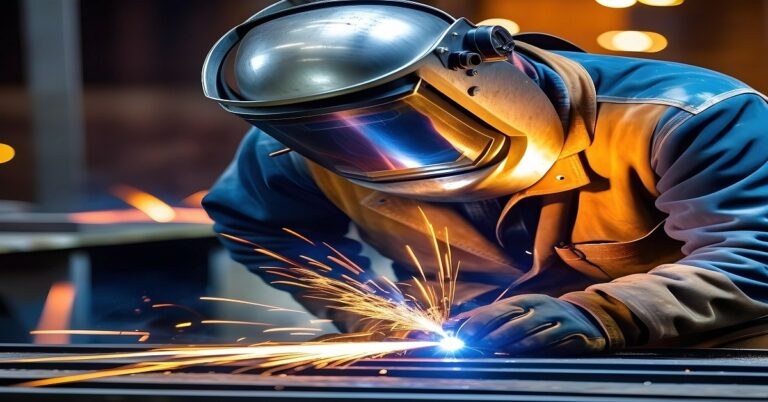
Factory jobs in Japan drive economic growth and offer stable employment opportunities for both local and international workers. They support major industries like automotive, electronics, and manufacturing, which remain the backbone of Japan’s global competitiveness. These positions ensure steady production while creating reliable income streams for employees.
This article guides you on the benefits and application process for factory work in Japan. It highlights the key requirements for foreign applicants, explains the types of contracts offered, and provides tips to strengthen your application. You’ll find essential information here whether you are starting a career or seeking long-term job stability.



Factory roles also provide valuable training and skill development that can benefit future career growth. Many companies offer on-the-job learning programs, safety certifications, and opportunities for promotion.By joining this sector, workers gain practical experience while contributing directly to Japan’s industrial success.
Overview of Japan’s Manufacturing Sector
Japan’s vital manufacturing sector excels in precision and innovation, producing high-quality cars, electronics, and machinery. This sector employs a large part of the workforce, ensuring stable jobs. Factories emphasize efficiency, advanced technology, and skilled labor.
These jobs support Japan’s reputation for reliability and quality across international markets. Manufacturing continues to be a cornerstone of Japan’s economy, contributing to exports and domestic stability. The sector ensures long-term growth by combining tradition, discipline, and advanced production techniques.
Factory Jobs in Japan
Factory jobs in Japan cover a wide range of production and quality control roles. These positions support the daily operations and overall growth of Japan’s manufacturing industry. Workers play a key role in maintaining output, safety standards, and product excellence.
Common Types of Factory Jobs in Japan
Each factory role supports a specific part of production or quality control within the manufacturing chain. From operating machines to inspecting finished goods, every task ensures smooth and efficient operations. Below are typical factory jobs in Japan, each essential for the industry’s success:
- Assembly Line Worker: Assembles product parts, focusing on a specific section.
- Machine Operator: Runs production machinery, ensuring safety and efficiency.
- Quality Control Inspector: Checks products for defects, maintaining quality.
- Maintenance Technician: Repairs machinery, reducing delays.
- Material Handler: Moves materials within the factory to keep supplies flowing.
- Warehouse Staff: Manages storage and organizes inventory.
- Packaging Worker: Prepares products for safe shipment.
- Production Supervisor: Oversees the production team to meet deadlines and standards.
Key Industries for Factory Jobs in Japan
Japan’s factory jobs support vital industries that drive national and global economic performance. These sectors rely heavily on skilled workers to maintain high-quality standards and production volumes. The main industries include:
- Automotive: Japan produces cars and parts for global markets.
- Electronics: Factories make components for phones, computers, and appliances.
- Textiles: Factories create high-quality fabrics and clothing.
- Food Processing: Factories package and process foods for domestic and export markets.
Qualifications and Skills Needed
Factory jobs in Japan often require specific qualifications and practical skills for success. Employers look for workers who can balance technical knowledge with discipline and physical ability. Training and experience can also provide opportunities for advancement.
Basic Educational Requirements
A high school diploma or equivalent is needed for most factory roles in Japan. Educational basics are important to ensure safety, quality, and proper workflow in the workplace. Here are the main requirements:
- High School Diploma: Minimum requirement for many positions.
- Basic Math Skills: These are useful for measuring and handling materials.
- Reading and Writing are important for understanding instructions.
- Physical Fitness: Necessary for demanding tasks in production.
Technical Skills and Certifications
Factory jobs in Japan often require specific qualifications and practical skills for success. Employers look for workers who can balance technical knowledge with discipline and physical ability. Training and experience can also provide opportunities for career advancement in the long term.
Alongside technical knowledge, soft skills play a vital role in factory work. Teamwork and communication ensure smooth operations between departments, while discipline helps maintain efficiency under strict schedules. Adaptability and problem-solving are highly valued, as they allow workers to respond effectively to unexpected production challenges.
- Machine Operation Certification: This certification is for handling machinery safely.
- Forklift Certification: Needed for moving heavy loads.
- Basic Computer Skills: Useful for operating production systems.
- Quality Control Training: Ensures work meets standards.
- First Aid Training: Helps with safety in the workplace.
Soft Skills for Factory Jobs
Soft skills support teamwork and workplace efficiency. Key skills include: Teamwork: Important for working well with others; Communication: Clear interaction with teams is needed; Time Management: Helps meet deadlines and organize tasks; Adaptability: Useful for adjusting to changes.
Where to Find Factory Jobs in Japan?
Factory jobs in Japan are widely available through different sources. Here are the most common places to look.
Job Portals and Recruitment Websites
Online job portals list open factory positions. GaijinPot Jobs and Daijob are famous for job searches.
These websites allow filtering by location, type, and industry. Most listings include details like salary and responsibilities.
Some sites have company reviews, which help in decision-making. These job portals are a convenient first stop for job seekers.
Local Employment Offices and Industrial Job Fairs
Employment offices provide job placement services for local roles. Register at these offices to receive job information.
Job fairs let you meet employers and learn about openings. Many industrial fairs feature multiple companies in one place.
Speaking to employers directly can be helpful. Job fairs are a good opportunity for quick networking.
Direct Applications Through Company Websites
Many factories post jobs on their websites. Applying directly shows interest in a specific company.
Most websites have a careers section with updated listings. Company information is often available, which helps in tailoring applications.
This method may lead to quicker responses. Direct applications show commitment to working with a particular employer.
Application Process
Applying for a factory job in Japan requires essential preparation. Here are steps from resume creation to interview success.
Steps to Apply for Factory Jobs
To apply successfully, follow these steps. Each step helps present yourself as a reliable candidate:
- Prepare a Resume: Keep it simple, focusing on skills and work history.
- Include Contact Information: Ensure your phone number and email are accurate.
- Highlight Relevant Skills: List specific skills relevant to the factory role.
- Attach Any Certifications: Add any technical certifications related to the job.
- Write a Formal Cover Letter: Express interest and summarize your experience.
- Prepare for Interviews: Practice short answers about your experience and skills.
Cultural Specifics of Job Applications in Japan
Job applications in Japan emphasize formality and precision. A clean, organized resume is expected. Keep language polite and avoid overly casual expressions.
Punctuality is crucial, so ensure you’re early for interviews. In Japan, job applications and interviews focus on respecting the company.
Being concise and clear helps create a positive impression. These steps make your application stand out in Japan’s job market.
Salary and Benefits
Factory jobs in Japan offer competitive pay and basic benefits. Here are details on salary expectations and typical benefits.
Average Salary Ranges
Salary depends on the job level and experience. Below are general ranges for typical factory roles:
- Entry-Level Worker: Around ¥200,000 – ¥250,000 per month.
- Machine Operator: Around ¥250,000 – ¥300,000 per month.
- Quality Control Inspector: Around ¥280,000 – ¥330,000 per month.
- Maintenance Technician: Around ¥300,000 – ¥350,000 per month.
- Production Supervisor: Around ¥350,000 – ¥400,000 per month.
Common Benefits
Japanese factory jobs come with standard benefits. Here are some you can expect:
- Health Insurance: Covers workers’ medical needs.
- Retirement Plans: Options for retirement savings.
- Paid Leave: Vacation days and holiday leave.
- Bonuses: Often given twice a year based on company performance.
Advantages of Working in a Factory in Japan
Factory jobs in Japan offer reliable employment with various benefits. Here are key advantages for factory workers:
- Stable Job Opportunities: There is a high demand for factory roles across industries.
- Career Growth: Opportunities to advance to supervisory or specialized positions.
- Skill Development: Gain valuable technical skills on the job.
- Community Environment: Strong team-based work culture.
- Employee Benefits: Health insurance, paid leave, and bonuses.
- Consistent Work Hours: Regular shifts and predictable schedules.
Challenges and Considerations
Factory work can come with physical and logistical demands. Here are some challenges to keep in mind:
- Physical Demands: Some roles require heavy lifting and repetitive tasks.
- Shift Work: Night or weekend shifts may be required.
- Workplace Noise: Loud environments in some factory settings.
- Language Barriers: Non-native speakers may face communication challenges.
- Precision and Speed: Jobs often require high accuracy and fast pace.
- Limited Breaks: Short breaks may be the norm in busy factories.
Final Thoughts: Kickstart Your Career in Japan’s Factories
Factory jobs in Japan provide steady careers in a range of industries. This sector offers a strong foundation for job stability and skill development.
With competitive pay and benefits, factory work is a viable path for many. Take the first steps to kickstart your career in Japan’s manufacturing world.