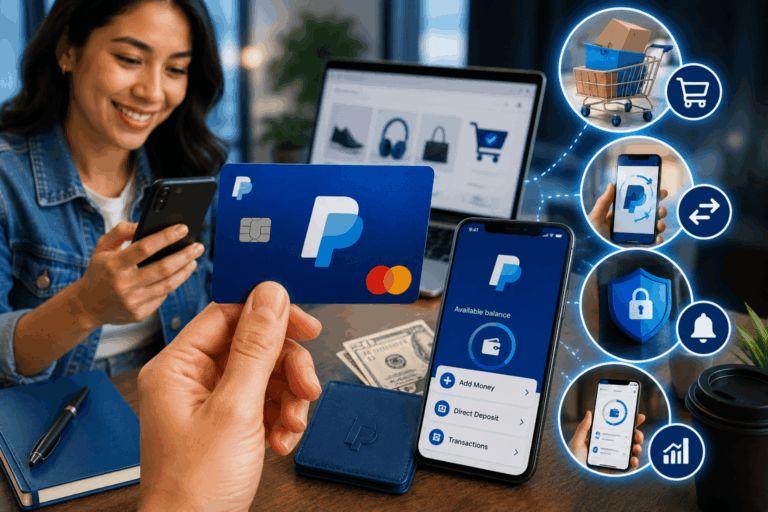
In an era where digital fraud and identity theft are growing concerns, a virtual credit card has become one of the most practical and protective tools at a consumer’s disposal. This technology functions as an alias for your actual credit card, generating a unique number, expiration date, and CVV code for online use. By isolating a temporary number from the real card details, it reduces the risk of exposure during transactions. As online shopping, subscriptions, and recurring billing become more prevalent, understanding what a virtual credit card is and how to obtain one is essential for maintaining both convenience and safety.
Virtual credit cards represent a blend of availability and protection, allowing users to create on-demand credentials tied to their real account but without physically revealing their core card data. This makes them particularly valuable in settings where security is paramount, such as unfamiliar websites or when signing up for multiple services. Below, you’ll find detailed insights into how virtual cards work, the benefits they offer, the providers that supply them, and how to choose and use one effectively—all in a way that supports both SEO visibility and user trust.



Image Source: Time
What Is a Virtual Credit Card and How Does It Work?
A virtual credit card is a digital-only version of your existing card banking account. While it derives from your main account, it issues a substitute card number along with a unique CVV code and expiration date. This means that although the virtual card functions like the real thing during online checkout, it doesn’t expose your core card details. Many providers allow users to configure spending limits, define valid merchants, or set expiration parameters, making virtual credit cards both secure and customizable. The core advantage lies in their impermanence: once a virtual card number is compromised or is no longer needed, it can be canceled or allowed to expire without impacting the underlying account.
The underlying technology aligns with principles of tokenization or aliasing, where sensitive real details are swapped for disposable equivalents. These virtual numbers remain fully functional within the bounds established by the issuer. As a result, they offer superior protection against data breaches and unauthorized charges. Their existence makes them ideal for situations involving unfamiliar platforms, trial sign-ups, cross-border transactions, or merchant-specific use, providing an added layer between your finances and potential threats.

Why Use a Virtual Credit Card?
Security stands at the forefront of the reasons to adopt virtual credit cards. By never exposing your primary card number or CVV, they drastically reduce the window of opportunity for digital theft. Even if a virtual number is intercepted, it remains unusable once expired or replaced. In addition to minimizing fraud risk, virtual cards offer enhanced control: you can restrict usage by spending amount, merchant, or duration. This flexibility makes them practical for managing monthly subscriptions, trial periods, or random online purchases.
Control over your spending is another key benefit, as virtual cards often segment expenses separately in your statements—allowing clearer tracking and financial discipline. They also support safer international shopping, as some providers allow creation of local currency numbers tied to your base account for easier cross-border transactions. Overall, virtual cards offer a balance of convenience and protection unmatched by traditional physical cards in today’s online-heavy economy.
How to Get a Virtual Credit Card
To obtain a virtual credit card, your first step is to check whether your bank or credit card issuer offers the feature via their online banking platform or mobile app. Many financial institutions now provide this option directly within your account interface. Some major banks allow customers to generate numbers instantly and manage them through digital platforms. This includes features such as spending caps, temporary validity, and immediate cancellation.
For users who do not have access through their current bank, several third-party services provide virtual card solutions. These companies allow you to create customizable numbers for one-time use or ongoing subscriptions. They typically include controls for spending limits, merchant restrictions, and even browser extensions to simplify the checkout process. Fintech platforms often go beyond what traditional banks offer, giving consumers more flexibility and control in managing their financial safety.

Popular Providers of Virtual Credit Cards
A variety of institutions and services now offer virtual card options. Traditional banks remain the primary providers, often integrated directly into their credit card systems. These issuers give customers the convenience of instant card generation and the ability to manage multiple virtual numbers from a single account. For consumers who rely heavily on online shopping, these solutions provide an added level of reassurance.
Digital-first card issuers have also expanded the use of virtual cards, making them accessible immediately after approval. In these cases, customers can start shopping online with a virtual number while waiting for the physical card to arrive. Additionally, fintech companies have introduced competitive solutions, offering disposable or merchant-locked numbers, sometimes with advanced tools like automatic card freezing or detailed spending analytics. Each option has its advantages, but all contribute to safer digital transactions.

Caveats and Limitations
Virtual credit cards are powerful tools, but they are not without limitations. They cannot typically be used for in-person purchases unless integrated into digital wallets that support near-field communication technology. Subscriptions and recurring charges may also present challenges if a disposable number expires before the next billing cycle. In these cases, consumers must carefully choose whether to use a single-use or multi-use number depending on the transaction.
Additionally, not every merchant is fully compatible with virtual numbers. Some companies may reject transactions if the billing verification process does not align perfectly with the temporary details. Another limitation is that certain financial institutions have discontinued or reduced their virtual card programs, focusing instead on other security features. For these reasons, while virtual cards are highly useful, they should be considered a complement rather than a complete replacement for traditional payment methods.
Example Use Cases
Virtual credit cards are particularly effective for specific types of transactions. When signing up for a free trial that automatically converts into a paid subscription, using a temporary card number allows you to avoid unexpected charges if you forget to cancel. When shopping on lesser-known websites, a virtual card provides peace of mind by keeping your real details private. For travelers, they can be used to limit exposure during international purchases, reducing the risk of fraudulent charges while abroad.
In a corporate setting, companies use virtual cards to manage employee expenses by generating numbers tied to individual projects or budgets. This allows for precise tracking and prevents overspending. Families can also benefit by generating cards for teenagers or dependents with strict limits, ensuring safe introduction to online spending. These examples demonstrate the versatility of virtual credit cards across different scenarios, showing that they are more than just a convenience—they are a strategic financial tool.
Conclusion
A virtual credit card offers significant benefits for online security, spending control, and financial peace of mind. By generating instant, disposable card information linked to your existing account, it prevents exposure of your actual card details while enabling versatile use across digital platforms. Whether issued by your bank, a card network, or a fintech service, the convenience of instant issuance and flexible controls makes virtual cards an appealing option for modern consumers.
As online transactions become increasingly common and vulnerable, integrating virtual credit cards into your financial routine is a practical move toward safer, smarter spending. They help mitigate fraud, provide transparency in tracking expenses, and empower users to manage their financial identity more effectively. While they do not replace physical cards entirely, their role in the digital economy is only expected to grow. Adopting this tool ensures that your online experiences remain secure, controlled, and aligned with best practices for financial health.