Setting aside money for a rainy day is a long-standing practice that remains relevant today. An emergency fund can protect you from unexpected financial setbacks and provide peace of mind. Life is unpredictable, and having savings ready can prevent stress and hardship. This fund ensures you are prepared for sudden expenses without disrupting your regular budget.
If you struggle to pay bills and face unexpected costs, an emergency fund can be a lifesaver. It allows you to handle surprises like medical emergencies, car repairs, or temporary income loss. By having money reserved, you avoid falling into debt or financial instability. This preparation helps you maintain control over your finances in difficult times.



According to experts, having some liquid cash that can last you between three and six months without an income is highly recommended. This emergency fund should cover all of your expenses, including mortgage payments. Read on to learn more about emergency funds.

What Is an Emergency Fund?
- A medical emergency
- Job losses
- Car troubles
- Unexpected home repairs
- Unplanned travel expenses
Reasons to Have an Emergency Fund
It Provides More Financial Freedom
It Keeps You from Wrongly Spending
One of the best ways to avoid spending money carelessly is to give it a clear purpose. Setting up an emergency fund is a practical use for extra money, keeping it under control at all times. This ensures that your funds are reserved for situations that truly matter. Planning ahead helps you maintain financial stability and peace of mind.
When we have too much money readily available, it is easy to spend it on unnecessary items. Impulse purchases can lead to regret when unexpected expenses arise. Misusing money in this way leaves us unprepared for real emergencies. Being mindful of spending habits can prevent financial stress later on.
Therefore, always make sure to have a designated place to store your funds. Keeping money aside for emergencies ensures you are prepared when unexpected situations occur. It reduces stress and provides a financial safety net. Properly managing your money allows you to face challenges with confidence and security.
It Helps You Avoid Bad Financial Decisions
It’s easy to make bad financial decisions when you do not have a plan. Having a budget that includes savings and emergency funds eliminates the possibility of using money in the wrong way.
An emergency fund stops you from keeping money in your checking account, where you might use it to spend beyond your means.
Keep money out of your immediate reach if you are serious about being prepared for emergency situations.
Open a savings account for emergencies at your bank, and ensure that you send a specific amount of money each month into the account.
It Keeps You Covered
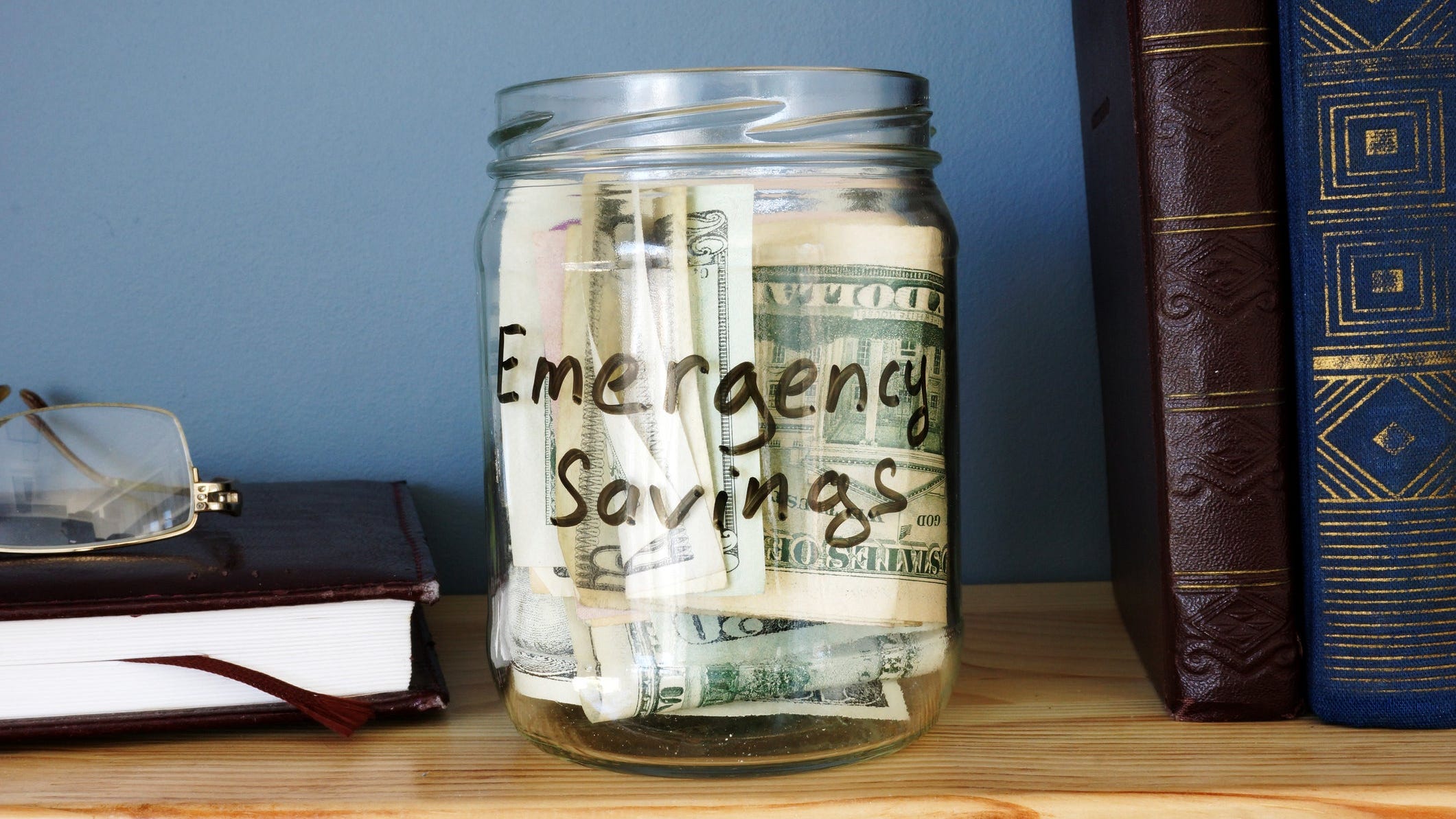
Anything can happen in life. You could be in an accident, you could lose your job, or have an unexpected situation in your household that requires you to spend some money immediately.
An emergency fund deals with any unexpected financial situation you may encounter. This means that you can rest easy knowing that you will have your needs met at any time.
Financial experts advise that you should have at least six months’ worth of money set aside to keep you afloat in case of a job loss, where you will not be receiving the expected payment each month.
This is very wise, as it gives you enough time to look for another job, while all your bills continue to be paid as usual, and you do not end up in debt.
Conclusion
Wise people always have an emergency fund, and it is one of the most important things you can do for yourself financially. Start building your secure emergency fund today.