Credit cards that offer cash back rewards have become some of the most popular financial tools for everyday consumers. They provide tangible savings on routine purchases while encouraging disciplined card use. However, with so many issuers and reward structures available, understanding which company offers the best system can make a significant difference in long-term value.
Cash back programs vary widely across financial institutions. Some prioritize simplicity with flat-rate rewards on all purchases, while others offer elevated earnings on specific categories such as groceries, fuel, or dining. Choosing the right company depends heavily on your lifestyle and spending behavior.


This article explores how major cash back credit card companies design their programs, what makes each stand out, and how you can select a card that maximizes rewards while minimizing costs. By the end, you will know which model best suits your financial goals.
Understanding Cash Back Basics
Cash back credit cards return a percentage of what you spend as rewards. These can usually be redeemed as statement credits, direct deposits, or even as discounts on travel or merchandise. The value comes from pairing your normal spending with a card that rewards you consistently.
Most issuers offer either flat-rate cards or tiered cards. Flat-rate cards provide the same return across all purchases, typically around 1.5% to 2%. Tiered cards, on the other hand, reward specific categories with higher percentages, often 3% to 5%. Both models can be beneficial, but they appeal to different types of users.
For example, someone who wants simplicity may gravitate toward a flat-rate option, while a frequent traveler or foodie might prefer a card that prioritizes dining or fuel rewards. Understanding these structures is the first step toward maximizing your cash back benefits.
The Flat-Rate Approach: Simple and Predictable
Flat-rate cards are popular for their transparency. You always know what you will earn, regardless of where or how you spend. This removes the need to track categories or quarterly promotions.
Many financial institutions highlight these cards for everyday use, since they allow consistent accumulation of rewards without restrictions. This approach is best suited for people who use their cards broadly and want steady returns without having to think about where they shop.
Why Flat-Rate Rewards Work
Flat-rate programs ensure that every dollar counts equally. If you spend across varied categories without focusing heavily on one, this model guarantees steady benefits. Additionally, flat-rate cards often come without annual fees, making them cost-effective for those who want rewards without extra obligations.

Tiered Rewards: Maximizing Value in Specific Categories
Tiered cards focus on rewarding targeted spending. These cards might offer 3% on groceries, 4% on dining, or 5% on fuel purchases, while returning 1% on everything else. For users who consistently spend in these categories, tiered programs can generate significant rewards.
The trade-off, however, is complexity. You must pay attention to category definitions, limits, and sometimes rotating schedules. Failing to maximize categories can mean losing out on potential earnings. Still, for disciplined cardholders, tiered cards can far exceed flat-rate models in total value.
Category Restrictions and Caps
Many companies set annual or quarterly caps on rewards. For example, you might earn 5% on groceries only up to a certain spending threshold, after which the rate drops. These limitations are critical to understand before committing, as they directly influence the card’s worth.
Customizable Cash Back Options
Some companies now offer customizable cash back cards. These allow users to choose their highest-earning categories, such as fuel, transit, or online shopping. This flexibility is designed for people whose spending habits vary or who want more control over where their rewards are maximized.
Who Benefits Most from Custom Rewards
Customizable cards are excellent for households with changing expenses, such as students or families with shifting priorities. They also give users the ability to adapt to seasonal changes, like boosting grocery rewards during holidays or increasing travel perks during summer months.
Redemption Strategies for Maximum Value
While earning cash back is important, how you redeem those rewards matters equally. Most companies allow redemptions as statement credits, reducing your balance directly. Others offer deposit options into bank accounts or redemption toward travel expenses.
Choosing the best redemption method depends on your goals. Direct statement credits are the simplest way to realize value, while travel-focused redemptions may stretch rewards further for frequent travelers. Always confirm that your preferred method is available when selecting a card.
The Role of Annual Fees in Cash Back Cards
Not all cash back cards are free. Some carry annual fees, which can be worthwhile if the card offers significantly higher rewards or additional perks. The key is ensuring your spending justifies the cost.
For example, if a card charges a $95 annual fee but offers 6% back on groceries, heavy grocery shoppers may still come out ahead. However, for lower spenders, a no-fee flat-rate card may prove more valuable.
Pitfalls to Avoid with Cash Back Cards
While rewards are attractive, careless use of credit can lead to debt that far outweighs the benefits. Carrying balances and paying interest negates the advantage of cash back. Companies profit from these scenarios, so it’s essential to pay balances in full each month.
Another pitfall is chasing rewards at the expense of responsible budgeting. Spending more than necessary to earn points undermines the purpose of using cash back strategically. Discipline and planning remain the cornerstone of true financial benefit.
Comparing Major Issuers’ Approaches
Different companies structure their rewards uniquely:
-
Some banks emphasize flat-rate programs for simplicity and universal value.
-
Others specialize in tiered categories for users who spend heavily in dining, groceries, or fuel.
-
A growing number offer customizable cards, letting you choose where to maximize your returns.
The right issuer depends not only on rates but also on redemption flexibility, caps, and how their systems align with your financial life.
Building a Multi-Card Strategy
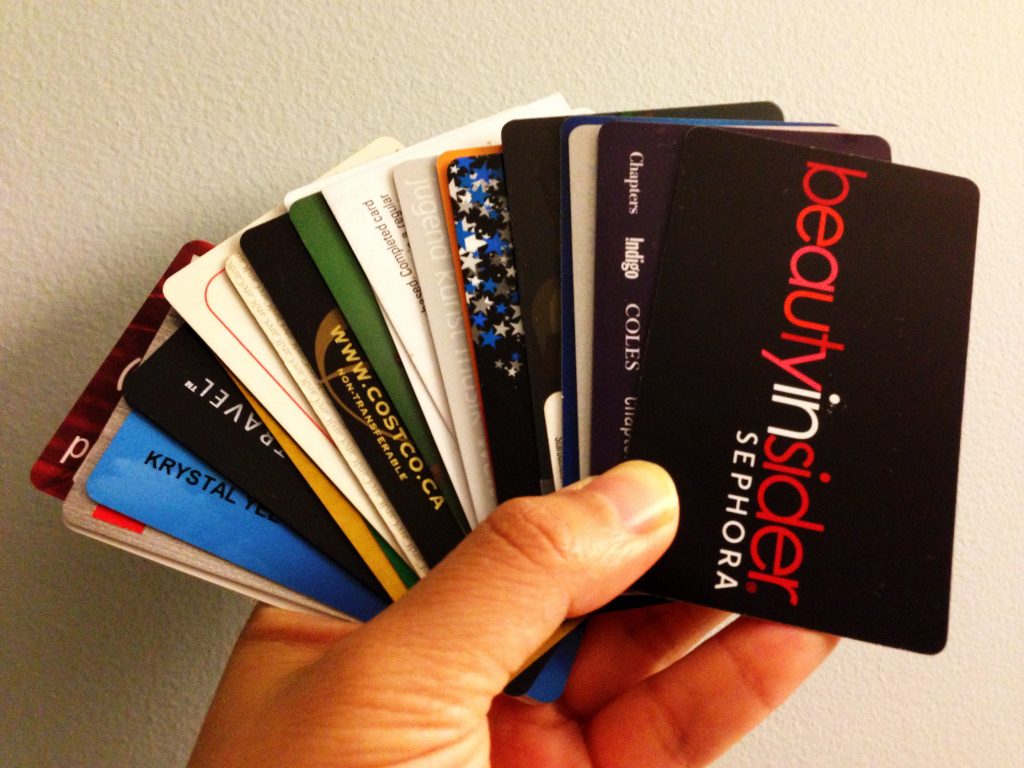
Many savvy consumers use a combination of cards to maximize returns. For instance, you might pair a flat-rate card for general purchases with a tiered card for groceries and fuel. This approach requires careful management but can significantly increase your annual cash back earnings.
Maintaining multiple cards also diversifies your benefits. If one company changes its reward structure, you can still rely on another to cover your key spending categories. However, this strategy demands organization to avoid missing payments or overextending your credit.
Conclusion
Cash back credit card companies design their programs to attract different types of consumers—from those who prefer simplicity to others who thrive on category optimization. Flat-rate cards reward consistency, tiered cards maximize focused spending, and customizable options offer flexibility.
The best choice depends on your lifestyle, spending patterns, and willingness to manage categories. With careful planning and disciplined use, cash back credit cards can turn everyday purchases into valuable rewards that directly benefit your financial health. By understanding each company’s approach and selecting wisely, you can ensure that your card not only fits your wallet but also enhances your overall financial strategy.