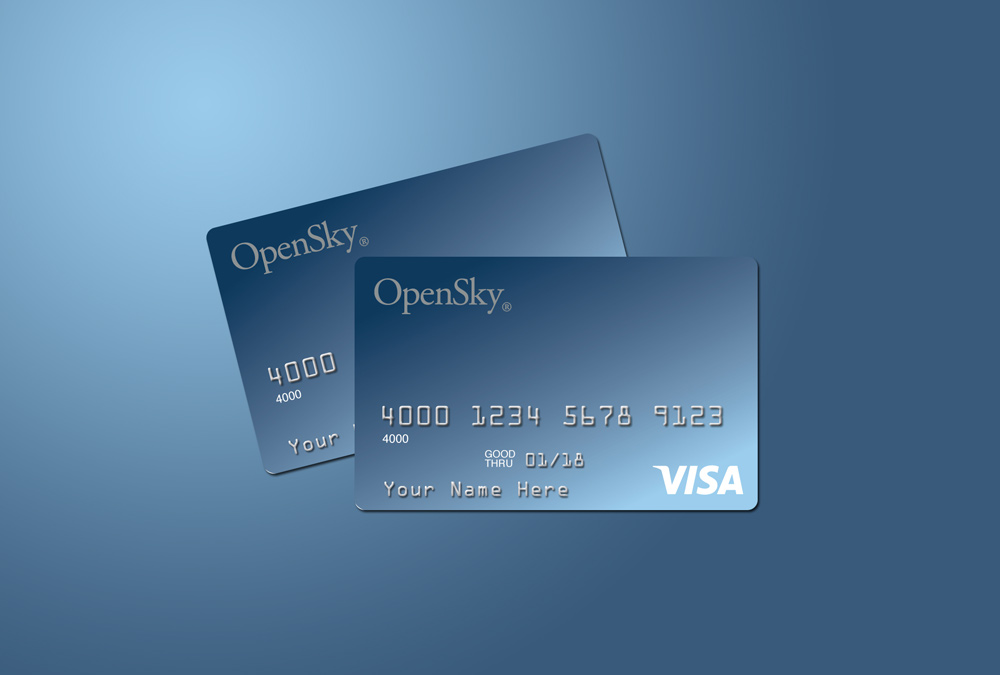
The OpenSky Secured Visa Credit Card stands out for allowing applicants to begin building or restoring credit—even with a poor score or none at all. Without requiring a bank account or a hard credit pull, it simplifies access to credit. If your goal is steady, responsible credit building, understanding its features and limitations is essential.

No Credit Check Required
One of the card’s primary benefits is that no credit check is required to apply, making it accessible even to those without an established credit history. This design lowers barriers for individuals looking to build credit, especially if they’ve been declined for other products.


Why It Matters
Avoiding a hard inquiry protects your score from unnecessary dips. This makes OpenSky a prudent stepping stone for credit rehabilitation or early-stage credit building, where preserving every point is important.
Flexible Deposit Range
Applicants can secure a credit line with a refundable deposit ranging from $200 to $3,000, based on their ability to fund it. The deposit becomes the credit limit, making the card fully secured. When the account is closed with all dues paid, the deposit is returned—typically within ten weeks.
Strategizing Deposit
Choosing a deposit size that reflects your spending habits helps manage utilization effectively. A modest deposit ensures low risk while enabling a sustainable usage track record, which can support future credit opportunities.
Annual Fee and Cost Considerations
The OpenSky Secured Visa carries a $35 annual fee, a notable cost in the secured card market. While this may be higher than some alternatives, the absence of a credit check and straightforward terms can justify the expense for those focused on rebuilding credit responsibly.
Credit Reporting Features
Responsibility with this card pays off: OpenSky reports your activity to all three major credit bureaus, helping boost your score with timely payments and low balances. This proactive reporting is a key benefit in forming a solid credit foundation.
How Positive Behavior Impacts Score
Over time, consistent on-time payments and minimal balance help illustrate creditworthiness. This can open doors to better credit cards with rewards or unsecured options as your score improves.
Additional Features and Flexibility
Beyond its main functions, the card supports mobile wallets, letting you add it to Apple Pay, Google Pay, or Samsung Pay for convenient and secure transactions. Users can also access resources and track their FICO® score within the issuer’s app—enhancements that encourage credit awareness.
Best Fit for Whom?
This card is suited for individuals building or repairing credit and those without existing credit access. It’s practical, straightforward, and avoids traps like credit checks. However, once your credit has improved, transitioning to a rewards-bearing or unsecured card may deliver better long-term value.
Conclusion
The OpenSky Secured Visa Credit Card delivers a clear path to establishing credit with limited risk and no credit check. Its secured structure, bureau reporting, and easy approval process make it a useful tool for emerging credit users. If you apply consistently good credit practices, this card can be the foundation for a stronger financial future.
Disclaimer: All credit products carry risk. Be aware of these risks by reading the associated terms and conditions.