Everything today is heavily digitalized, which unfortunately leaves you increasingly exposed to fraudsters who can access your personal information from almost anywhere. This is particularly concerning because so much of our most private and sensitive data, including banking and identification details, is now stored online and can be targeted by cybercriminals. Being aware of this risk is the first step toward protecting your financial security in the digital age.
Your credit card is one of the most vulnerable pieces of financial information you possess. Its details can be stolen through various methods, including online breaches, phishing scams, or even physical theft. If your credit card information is compromised, you could end up paying debts for transactions you never authorized, which can have serious consequences for your credit score and financial stability.



With this in mind, it is crucial to take all possible measures to keep your credit card safe. Implementing protective strategies, such as monitoring statements, using secure websites, and safeguarding your card information, can significantly reduce the risk of fraud. Here are some practical ways you can protect yourself from credit card fraud. Continue reading to learn how to effectively secure your credit card and maintain peace of mind.
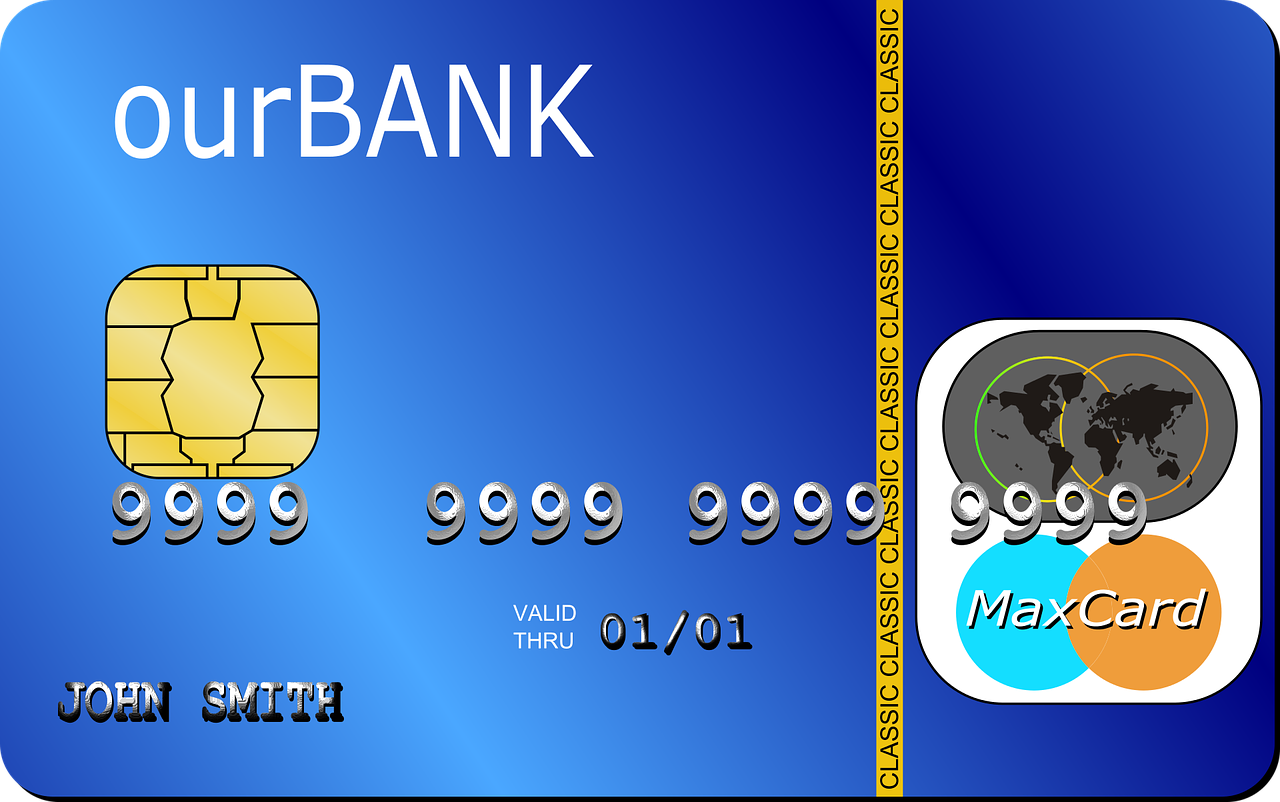
Shred Everything Displaying Your Credit Card Number
The first rule is to never leave any documents containing your full credit card number unattended. Simply throwing credit card-related papers in the trash without shredding them can put you at serious risk of fraud. Taking proper precautions ensures your financial information remains secure and protected from criminals.
This doesn’t only apply to credit card statements; you should also shred old credit cards before disposing of them. In fact, it’s important to shred all sensitive documents, such as bank statements, receipts, and personal records, before throwing them away. Taking this step helps protect your financial information from identity theft and unauthorized use.
Avoid Giving Out Your Card Information
How often do you share your credit card information? Many people give out their card details with nearly every purchase, often without thinking twice. It is sometimes wiser to provide this information only on calls or transactions that you initiate, ensuring greater control over your financial data.
When contacting your card issuer’s customer service, always use the phone number listed on the back of your card. This helps ensure that you are speaking to a legitimate representative and reduces the risk of falling victim to scams. Being cautious about how and when you share your card information is key to protecting your finances.
Use Your Card Carefully Online
Today, nearly all purchases we make are conducted online, which has made shopping more convenient, faster, and often more affordable. However, as technology has advanced, so have criminals and their methods for exploiting unsuspecting users. They have taken notice of how frequently people leave their credit card information on websites, often without taking adequate precautions.
These criminals have developed sophisticated techniques to steal sensitive financial information, putting online shoppers at risk of fraud and identity theft. To protect yourself, it is essential to only enter your credit card information on secure, trusted websites that use proper encryption and data protection measures. Always verify that the site is legitimate and that your information will not be misused or shared without your consent.
Never Sign Blank Credit Card Receipts
Many people skip checking the receipt when signing, assuming it’s just a routine formality, but this can lead to problems. If you notice any blank spaces on your receipt, make sure to draw a line through them before signing. You can also write $0 in the blanks to prevent anyone from filling in amounts later without your knowledge.
Taking these precautions ensures that the cashier cannot alter the receipt and charge your card for items or services you did not receive. This simple step protects your account from unauthorized charges. By being vigilant with receipts, you maintain control over your spending and safeguard your credit card from potential misuse.
Keep Your Card Safe
Report All Stolen Or Lost Cards Immediately
The moment you realize you don’t have your card on you is the time to take action and report it. You want to report your stolen card before any fraudulent charges show up on your account. This way, you won’t have the deal with the sometimes lengthy process of fighting fraudulent charges.
Conclusion
Keeping your credit card safe from fraudsters is essential to avoid the stressful process if your card is misused. Unauthorized charges can take time to resolve and may harm your credit score. By monitoring statements, using secure payment methods, and protecting your card info, you can reduce the risk of fraud. These are a few key ways to keep your card secure and protect your finances.