People’s habits of dining out are rooted in convenience, such as ambiance, good food, and not having to clean up after cooking. These experiences can be expensive, but with a dining credit card, cardholders can earn rewards and justify eating out.
According to Business Insider, the average American dines out roughly 5.9 times per week. This data indicates people’s love of eating out with friends or family, or ordering take-out to their homes.



If you’re someone who eats our frequently, you might be wondering if dining credit cards are worth the money. Here are some of the best dining cards to add to your wallet. Read on to find out about their perks and the downsides of owning one.
Pros of Dining Credit Cards
Having a dining credit card provides a myriad of benefits, from providing rewards, access to airport lounges, and merchant discounts through the rewards program.
Unlike other credit cards, a dining card is designed to maximize bonuses and rewards when dining in different restaurants.
Dining cards also grant access to exclusive food and drink freebies, rebates on dining bills, and a trove of travel benefits.
Cons of Having a Dining Credit Card
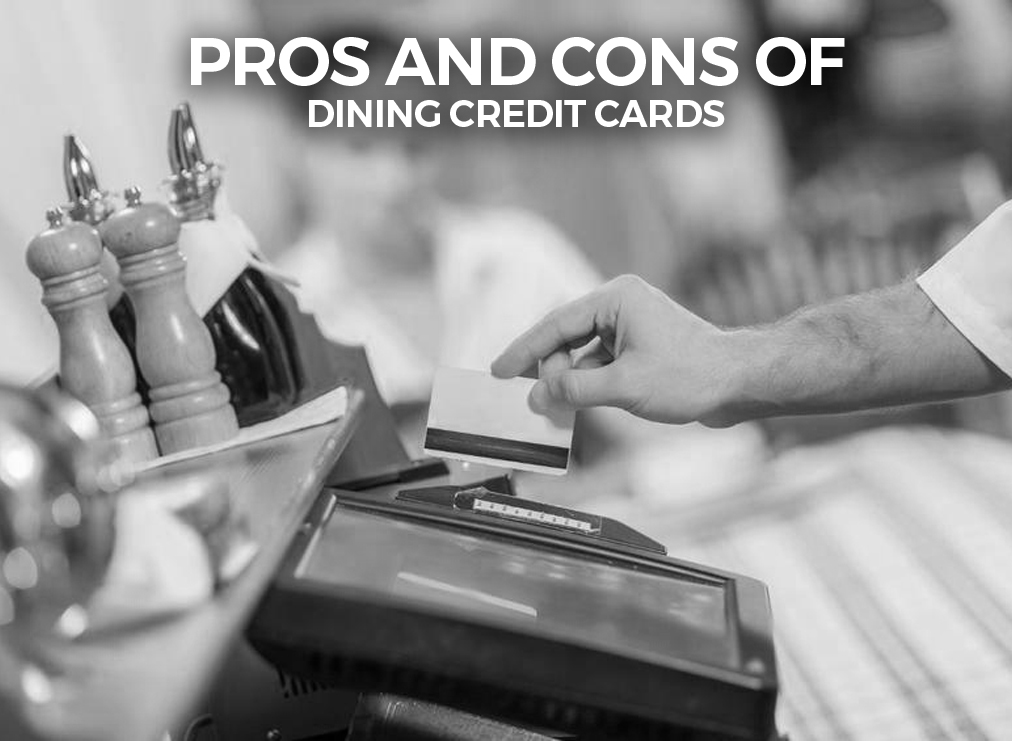
One main risk of owning a dining card is the vulnerability to fraud, as cardholders frequently use the physical card to pay at establishments.
Many reported incidents of credit card fraud are rooted in identity theft when wait staff use the customers’ credentials and card information.
In addition, there are establishments that require credit card information to make a reservation. This also provides an opportunity for credit card fraud to occur.
Best Dining Credit Cards
The best dining credit cards allow cardholders to earn rewards for every dollar spent using their card. In addition, these cards should also offer discounts for dining in participating restaurants and cafes.
There are also credit cards that provide cashback of up to 5% for eligible purchases. Cards that offer a cashback category explicitly for dining and food delivery services are ideal for someone looking to earn rewards for their spending.
Discover Cashback Card
Cardholders can earn unlimited cashback opportunities with the Discover Cashback Credit Card. It is an attractive card because of its no annual fee and maximum rewards earning features. Everyday purchases including dining, shopping on Amazon, gas, and grocery stores receive 5% cashback.
The points earned can be redeemed to exciting merchant discounts and to use them at the Amazon checkout. These points never expire as long as the credit card account is active and in good standing.
The card comes with an introductory offer of 0% APR for the first 15 months after card opening. After this period, the interest rate for this card becomes 16.49% to 27.49% depending on the cardholders creditworthiness.
Chase Sapphire Reserve Card
With a generous signup bonus and 3x the points for dining and travel, the Chase Sapphire Reserve Credit Card is an excellent addition to anyone’s wallet. The card also offers deals when ordering takeout with DoorDash, or when ordering groceries on Instacart.
The interest rate for this card is 21.49% to 28.49% variable APR. The card also has a high annual fee of $550.
American Express Gold Card
The American Express Gold Card offers cardholders 4x membership rewards points for dining and grocery shopping. You’ll also get offers 60,000 welcome bonus points after spending $4,000 within the first six months of account opening.
The interest rate for this card is a variable 20.49% to 28.49% APR.
Disadvantages of Dining Credit Cards
While dining credit cards provide notable benefits, there are potential drawbacks to consider.
1. Limited Reward Locations
Dining rewards are often restricted to specific restaurants or chains. Spending outside these locations may earn reduced or no rewards.
2. High Interest Rates
Dining credit cards can carry higher APRs than standard credit cards. Carrying a balance month to month can offset the rewards earned.
3. Fees and Requirements
Some cards have annual fees, minimum spending requirements, or tiered reward structures. Late payments can also result in penalties, reducing the card’s overall value.
4. Reward Caps
Many dining cards limit the maximum rewards per month or year. Frequent diners may reach these caps quickly, reducing long-term benefits.
Tips for Maximizing Dining Card Rewards
To fully benefit from a dining credit card, follow these practical tips.
1. Use the Card for Dining Exclusively
Focus on restaurant and food-related purchases to maximize rewards. Other spending may be better suited to general cashback or travel cards.
2. Pay Balances in Full
Always pay off your balance in full each month to avoid high-interest charges that could negate rewards.
3. Combine with Loyalty Programs
Link your card to restaurant loyalty programs or food delivery apps to stack rewards and increase overall value.
4. Track Spending and Caps
Monitor monthly or yearly reward limits to ensure you do not miss out on potential benefits. Plan larger dining expenses around these caps when possible.
Who Should Consider Dining Credit Cards
Dining credit cards are ideal for:
-
Frequent restaurant-goers who spend significantly on dining
-
Individuals who regularly use food delivery services
-
Cardholders who pay off balances in full to avoid interest
-
Those interested in exclusive dining events or perks
If you rarely eat out or use delivery services, a dining credit card may not offer enough value.
Conclusion
Dining credit cards provide a mix of cashback, rewards points, and exclusive perks that can benefit frequent diners. However, they come with limitations, including restricted reward locations, high-interest rates, and potential fees. By understanding both advantages and drawbacks and using the card strategically, cardholders can maximize dining rewards while managing costs effectively. Choosing the right dining credit card depends on spending habits, dining preferences, and payment discipline.