Visa cards are useful for everyday payments in Japan. Although cash remains important, Visa card benefits can make shopping, travel, and online purchases more convenient.
This guide explains acceptance, security, rewards, and card selection. It also outlines applications and limitations for residents, expatriates, and frequent international visitors.



Understanding Visa Card Benefits in Japan
More Japanese businesses accept cashless transactions alongside cash. Visa credit and debit cards are useful across shops, restaurants, hotels, and online services throughout the country, although individual merchant restrictions remain.
Widely Accepted Across Major Japanese Cities
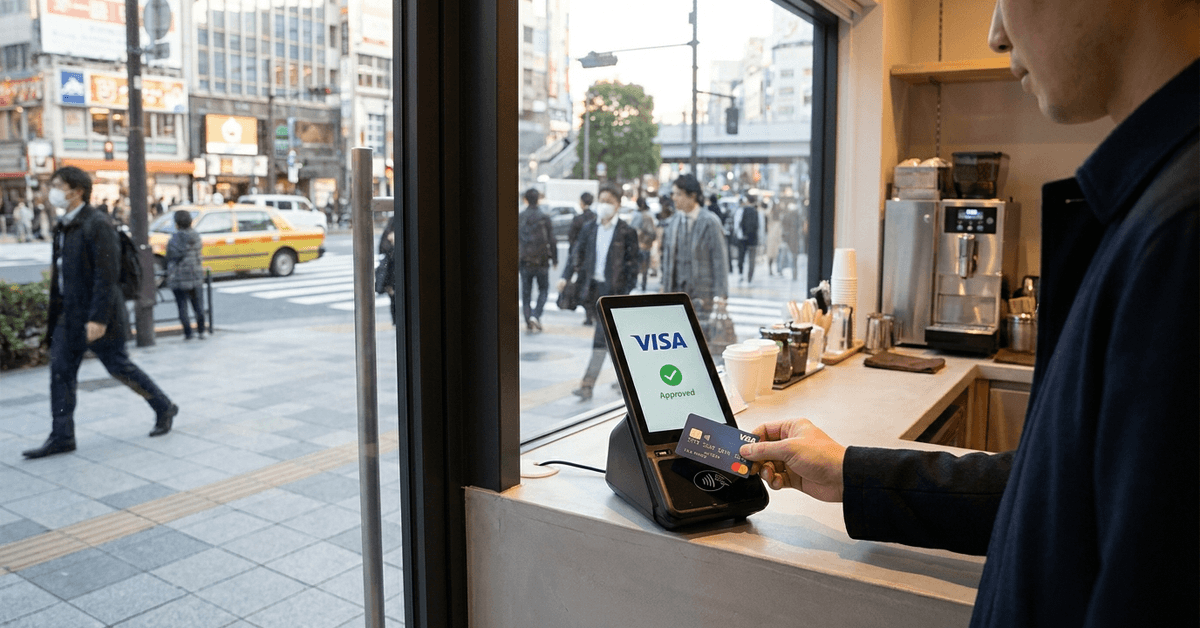
Visa cards are widely accepted in Tokyo, Osaka, Kyoto, and other major urban areas, simplifying spending for residents and travelers. Convenience stores, larger restaurants, department stores, and many transportation-related businesses support card payments, reducing reliance on cash.
Smaller restaurants and rural shops may still prefer cash, so carrying some yen remains sensible, especially beyond major tourist routes.
Cashless Convenience and Contactless Payments
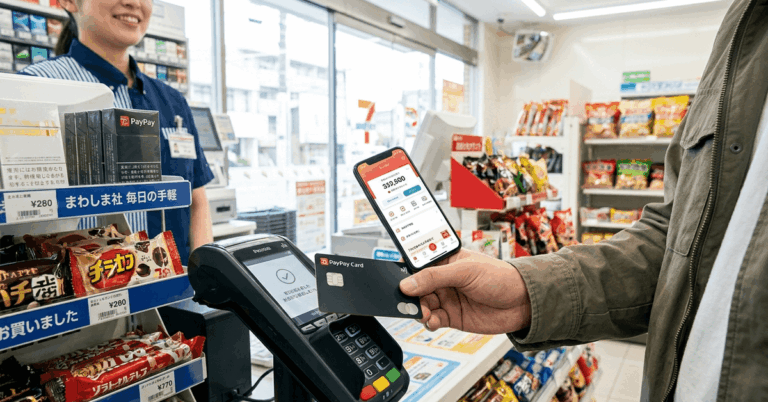
Contactless payments make many purchases faster with an eligible Visa card or device at compatible terminals. This method is particularly convenient at busy convenience stores and supermarkets, especially when checkout lines build during commuting hours.
Look for the contactless symbol before tapping, although some transactions still require a PIN or verification.
Security Features for Cardholders
Fraud protection remains important when cards are stolen, misplaced, or misused during shopping and travel. Depending on the issuer, cardholders may receive transaction alerts, temporarily lock their cards, and dispute unauthorized charges under issuer conditions.
Regularly reviewing statements, protecting account details, and promptly contacting the issuing bank helps resolve suspicious purchases and limit losses.
Rewards Programs and Points
Many Japanese institutions offer reward points or cashback on eligible Visa card purchases, rewarding ordinary spending. Accumulated points may be redeemable for merchandise, store credit, travel discounts, or other benefits, depending on the program.
Reward rates, exclusions, redemption thresholds, and expiration dates vary considerably, so checking terms prevents surprises and helps avoid losing valuable unused reward points.
How to Unlock the Full Potential of Your Visa Card
Getting value involves more than regular purchases and monthly payments. Understanding available features and issuer conditions helps cardholders identify benefits that genuinely fit their lifestyle.
Link to Transport and Digital Wallets
Certain Visa cards work with digital wallets, enabling payments through compatible phones or wearables. Depending on the card, wallet, and service, funding a Suica or PASMO balance may also be possible, simplifying commutes through stations.
Because transport integrations and recharge rules differ between platforms, check compatibility before depending on Visa for commuting.
Enjoy Airport Lounge Access and Travel Protections
Some Gold and premium Visa cards include airport lounges, travel insurance, or related conveniences for cardholders. Frequent flyers may find these extras worthwhile when coverage suits their destinations, flight schedules, and personal travel habits.
However, lounge eligibility, insurance activation requirements, companion charges, and coverage limits vary by issuer, so check specific terms before traveling.
Purchase Protection, Extended Warranties
Selected Visa cards provide purchase protection for eligible damaged or stolen items. Certain purchases, including qualifying electronics, may also receive extended warranty coverage, subject to item and reimbursement restrictions.
Keep receipts and read the card’s insurance terms carefully because issuer policies impose deadlines and documentation requirements.
Choosing the Right Visa Card in Japan
No single Visa card suits every resident or visitor because financial priorities vary. Compare fees, redemption choices, and application requirements carefully before choosing an issuer or a particular card tier.
Annual Fees Versus Perks
Basic Visa cards often feature low fees or no annual charge, while premium versions cost more. Additional travel services, insurance, or enhanced rewards can offset those charges when used regularly throughout the year.
Otherwise, paying for rarely used extras may not be worthwhile, despite attractive advertised privileges.
Rewards Program Flexibility
A card’s redemption options can matter as much as advertised points. Some programs emphasize retailer vouchers or bank services, while others offer shopping credits, flight upgrades, or travel bookings.
Compare minimum redemption amounts, eligible spending categories, and expiration rules to assess practical value.
Ease of Application and Approval
The application process is often available online, with documentation dependent on the issuer. Foreign residents may need identification, proof of address, income details, and a working Japanese telephone number to apply.
New arrivals sometimes encounter additional identity checks or rejection, making debit cards a practical alternative while establishing local banking history.

How to Apply for a Visa Card in Japan
Applying typically begins with selecting a bank or other licensed card issuer, because Visa does not issue cards. Requirements and review periods differ, but these steps explain how to apply.
- Choose an institution such as MUFG, SMBC, Rakuten, Aeon, or Sony Bank, checking available Visa credit products.
- Prepare the requested identity documents, residence card where applicable, contact details, and proof of your Japanese address.
- Submit the application online or at a branch, following verification instructions.
- Allow time for the issuer’s credit review, which may take several days or occasionally longer.
- Receive the approved card by mail or another offered delivery method, and activate it.
Typical Requirements
Applicants generally must meet minimum age requirements, provide valid identification, and meet issuer residency or financial conditions. Some credit products require evidence of stable income, while debit card eligibility may differ significantly depending on the financial institution.
Visitors without Japanese residency generally have fewer locally issued credit options, and complete paperwork never guarantees approval.
Other Considerations and Limitations
Despite broad acceptance, cash-only businesses remain part of Japan’s payment landscape, particularly in rural areas and smaller communities. Foreign transaction fees, exchange rates, and lost-card procedures also matter before relying on Visa for every purchase.
Using Visa for Online Shopping
Most major Japanese online retailers accept Visa payments, simplifying domestic shopping and subscriptions. However, some websites restrict foreign-issued cards, particular billing addresses, or specific transaction types, despite displaying Visa as an accepted payment brand.
Check merchant rules and card settings before paying for international subscriptions or unfamiliar services, and retain another payment option.
Comparing Visa with Other Card Brands
Visa competes with Mastercard and JCB, which offer different networks, regional partnerships, and issuer benefits. JCB may feature attractive domestic partnerships, while Mastercard is also widely accepted internationally and merits comparison.
For frequent overseas travel, compare actual merchant acceptance, foreign transaction charges, and cardholder protections instead of assuming Visa always wins.
Conclusion
Visa cards can improve everyday convenience in Japan through acceptance, contactless payments, and rewards. The strongest benefits depend on the issuing bank, card category, and spending habits.
Before applying, review fees, eligibility, protection terms, and advertised conditions. Keep some cash available and choose a suitable card without paying for unnecessary or seldom used extras.