
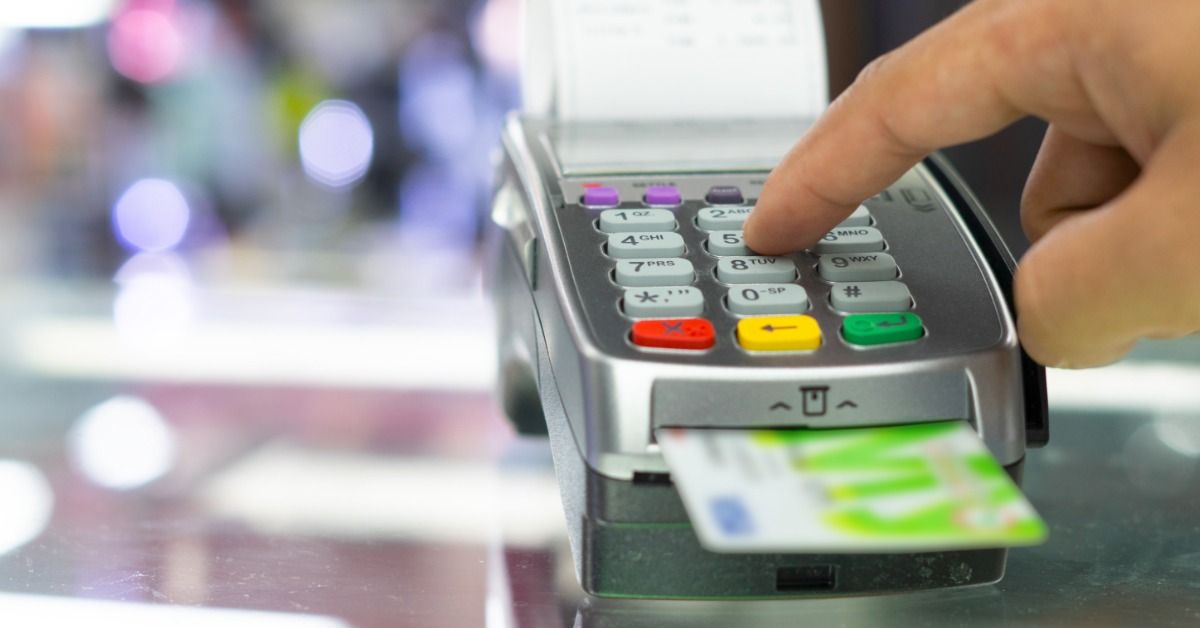
Chip-and-PIN credit card purchases are much safer than conventional purchases using a magnetic strip. When you make a transaction using your Chip-and-PIN credit card, a one-time code is generated and passed between the chip of your card and the point of sale terminal of the store.
Chip-and-PIN cards have a square-shaped microchip that produces and stores unique information for each transaction, unlike previous cards that used a magnetic stripe containing cardholder information. As such, chip-and-PIN cards are less vulnerable than previous credit card generations to fraud.



Here’s everything you need to know about chip-and-PIN technology and how it can help protect your finances. This system adds an extra layer of security to your credit and debit card transactions. It helps prevent fraud and unauthorized use. Understanding it ensures safer and more confident purchases.
An Overhaul in Card Payment Security
For credit card holders, credit card skimming remains a big concern. In 2013, 40 million credit card and debit card accounts were hacked, when US retailer Aim was the victim of a massive skimming attack. Once a fraudster has your credit card details, they can start racking up charges at your expense.
Although conventional magnetic stripe credit cards are readily cloned, it is almost impossible to duplicate Chip-and-PIN credit cards. Today’s point of sale (POS) systems have hardware that allows the computer to “read” the information in the chip, while a PIN offers an additional degree of authentication.
How It Works
hip-and-PIN cards eliminate the need for store employees to verify that a signature matches the one on the card. The POS device can electronically confirm that the customer has entered the correct PIN. This streamlines transactions and reduces human error. It also increases the overall security of each purchase.
At the same time, the embedded microchip reduces the risk of counterfeiting. Each time the card is used, it generates a unique transaction code. This makes it much harder for fraudsters to duplicate the card. Overall, the microchip ensures safer and more secure payments.
Chip-and-PIN cards reduce the risk of credit card fraud. To use a stolen chip-and-PIN card, would-be thieves would need to know the PIN of the cardholder. This is complicated further by a cardholder quickly changing the card’s PIN after learning that their credit card has been misplaced or stolen.
Advantages of Using the Chip-and-PIN Credit Card
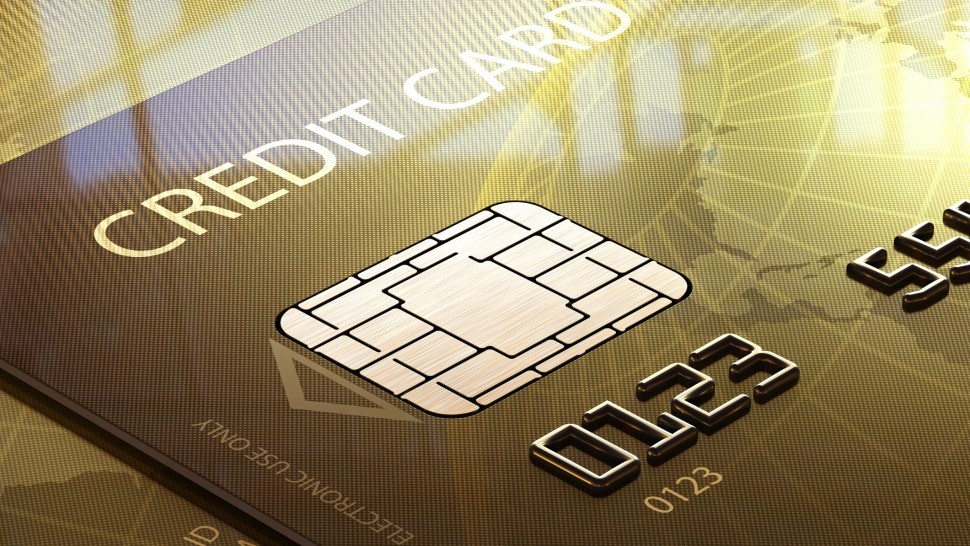
However, protecting your credit card is still necessary, as fraudsters can swipe your credit card at retailers that do not yet have a chip-enabled point of sale terminals and can even make online transactions.
Disadvantages of Chip-and-PIN Credit Card
Some chip transactions can also be slowed down by the same thing that makes chip cards safer. Credit card chip readers typically need an added piece of software known as middleware to produce a unique code for each transaction.
Outside the credit card hardware, this middleware transfers transaction data between the terminal, the POS device, and the processor. This communication adds time to each transaction.
Another disadvantage is the rise of contactless payment options when shopping. This type of payment employs Near Field Communication or NFC technology which securely stores and transfers card information.
Many cards and POS systems allow cardholders to ‘tap’ their card to pay without having to input a PIN. This means anyone can make purchases by simply tapping your card. Though many card issuers have a limit on how much can be spent using NFC technology per day.
Conclusion
Credit card fraud is a multi-million dollar concern. It’s your duty as a credit cardholder to do everything possible to protect your information. The safety and security of Chip-and-PIN technology are provided by most distributors today.
Although Chip-and-PIN is a lot safer than swiping, it’s still necessary to be careful when using your card.