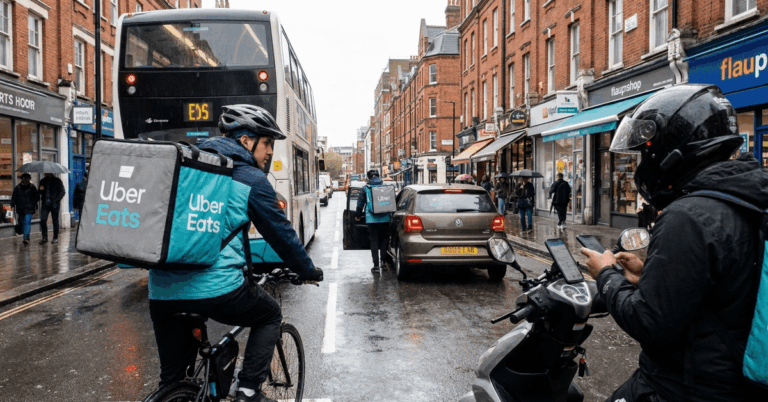
Flexible delivery work attracts students, parents, and people seeking additional income without fixed shifts or conventional part-time employment commitments. Uber Eats offers several transportation options, depending on location.
Applicants must meet eligibility rules before accepting orders. This guide covers requirements, registration, earnings habits, insurance, and common questions.



Understanding the Main Uber Eats Driver Requirements
Delivery eligibility depends on local regulations, transportation methods, and background screening. Checking current requirements before registering helps prevent delays and unnecessary expenses.
Minimum Age to Join Uber Eats
In the United States, car and motorized scooter couriers generally must be 19 years old. Bicycle or walking couriers can generally apply from age 18 where those methods are supported.
Age thresholds can differ elsewhere, so review the specific rules for your city and intended delivery method before applying.
Type of Vehicle Allowed
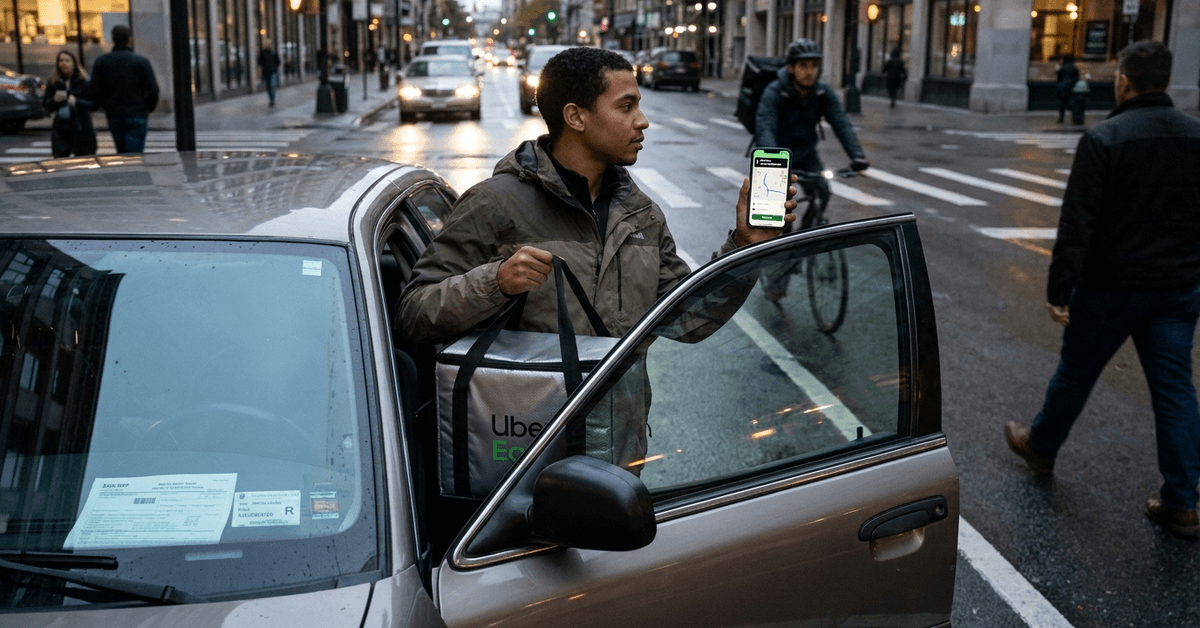
Eligible transportation can include cars, bicycles, scooters, or walking in selected areas. United States car delivery generally accepts two-door and four-door vehicles, unlike passenger rideshare services. Vehicle age, roadworthiness, and registration rules may vary by location and transport method.
Valid Driver’s License and Documentation
Motor vehicle couriers usually need a valid license appropriate to their transportation method. Insurance, registration, government identification, and proof of work eligibility may also be required.
Follow the document checklist shown during registration rather than assuming requirements are identical everywhere.
Background Check Requirements
In the United States, applicants undergo background screening before activation. Checks can cover driving history and other records, with eligibility decisions following applicable policies and local law.
Processing times and required personal information vary, so provide accurate details and monitor your account for updates or requests for clarification.
Smartphone Compatibility
The Driver app is essential for receiving orders and checking pickup instructions. Couriers need a compatible smartphone, mobile data, and reliable battery power during busy delivery shifts.
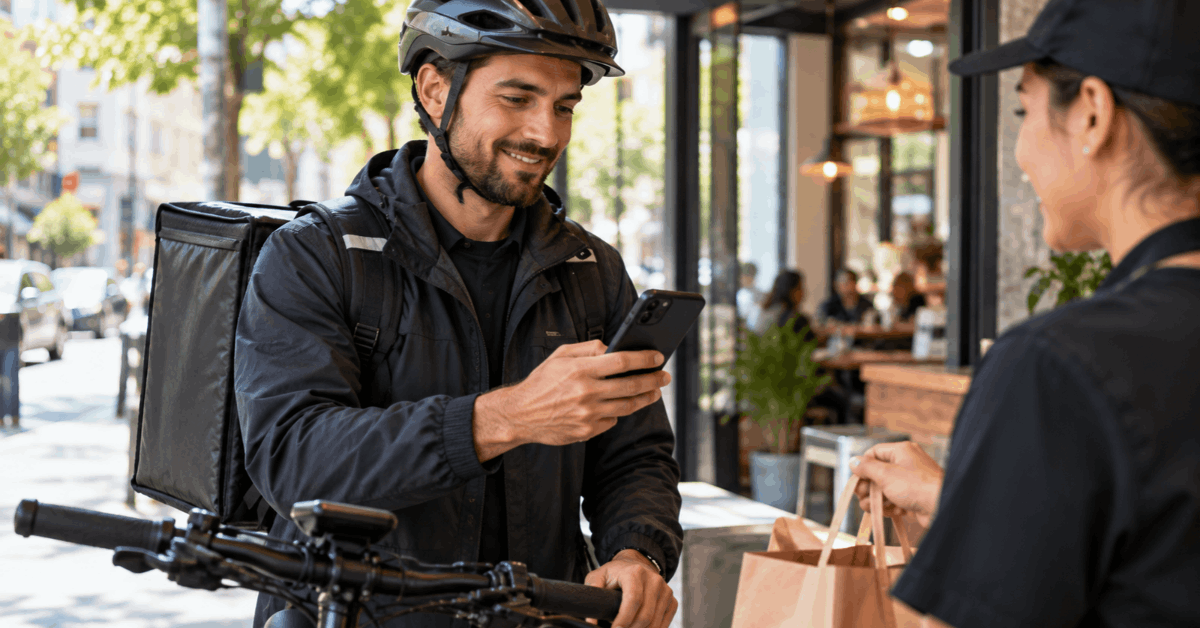
Update the application regularly and practice using navigation and customer messaging before your first delivery, particularly at busy intersections.
How the Uber Eats Sign-Up Process Works
Registration generally involves four steps completed online. Approval is not automatic, and missing information can extend processing significantly in certain cases.
Step 1: Online Registration
Visit the official Uber Eats delivery page or open the Uber Driver app. Create an account using accurate contact information and select the transportation method available in your area. Review the local age and eligibility information carefully before submitting the application.
Step 2: Document Submission
Upload the requested documents through approved registration channels. Motorists may need licensing and insurance evidence, while bicycle couriers may have different identification requirements.
Make photographs readable, check expiry dates, and provide a suitable profile image if requested by the platform.
Step 3: Consent to Background Check
Eligible applicants may be asked to authorize screening checks through Uber’s process. Provide consent and any requested information using official secure channels.
Screening may take longer when records need clarification, and completion alone does not guarantee approval.
Step 4: App Setup and Activation
After approval, review your account settings, payment information, and delivery preferences. The Driver app displays requests, estimated earnings, navigation, and support options.
Read onboarding guidance carefully before going online, especially instructions for collecting and handing over food.
What Makes a Successful Uber Eats Delivery Partner?
Meeting eligibility rules is only the starting point for delivering effectively. Organization, courtesy, and realistic scheduling help couriers navigate changing conditions.
Maintaining High Delivery Ratings
Customers may evaluate delivery service based on care, communication, and order handling. Follow pickup notes, protect food, and use polite messages when problems arise.
Ratings are one account-quality measure, but order access and outcomes depend on platform rules and local circumstances.
Managing Your Work Hours
Couriers can generally choose available hours rather than following a fixed employee schedule. Short lunchtime sessions may fit around classes, while evenings may suit other commitments.
Track time spent waiting and traveling because an active app does not guarantee paid orders on any particular day.
Understanding Peak Times
Lunch and dinner often create higher demand for restaurant deliveries. Major events and poor weather can change order volumes, although traveling during unsafe conditions is not worthwhile. Compare completed deliveries with expenses and working time to identify suitable shifts.
Legal and Tax Considerations for Uber Eats Drivers
Courier classification and legal obligations vary across countries and regions. Review your agreement and local rules instead of assuming every courier has identical employment status.
Income Taxes and Recordkeeping
Many couriers operate as independent contractors and may need to report their delivery income. Keep records of earnings, tips, fuel, maintenance, phone costs, and any deductible business expenses.
Tax withholding and filing requirements depend on jurisdiction, making professional advice useful when uncertain.
Insurance Requirements
Personal car policies may exclude paid deliveries without additional coverage. Uber maintains certain insurance protections in applicable markets, but limitations depend on the location and delivery stage. Ask your insurer about coverage for your vehicle, injuries, and liability before accepting requests.
Practical Tips Before Getting Started
Simple preparation can improve daily efficiency and reduce avoidable interruptions. Consider these habits while learning how local deliveries work.
- Compare delivery areas for parking, restaurant access, and demand before settling on a preferred zone.
- Track operating expenses, including fuel, repairs, mobile data, and supplies, to understand net earnings.
- Charge your phone fully and carry an appropriate backup power bank for longer sessions.
- Protect food quality by using insulated bags where appropriate and handling orders carefully.
- Review app promotions and conditions before counting bonuses toward your expected income.
Common Questions About Signing Up for Uber Eats
New applicants often ask about working arrangements and experience. Rules may differ between regions, so check your account guidance for current details.
Can I deliver with a friend or family member?
Your registered account cannot be shared with another person. A companion’s presence may be governed by local safety, insurance, and platform requirements. Do not allow someone else to accept or complete deliveries using your identity.
Are there minimum hours required?
The platform generally allows flexible scheduling without a standard weekly shift commitment. You can choose when to go online, subject to local rules and account eligibility. However, staying online does not guarantee requests, wages, or consistent earnings.
Is previous delivery experience necessary?
Previous courier work is not always required for basic delivery registration. Newcomers should still understand navigation, customer instructions, road safety, and food handling. Practice and realistic expectations can make the first few shifts easier to manage.
Conclusion
Uber Eats delivery can offer flexible earning opportunities for eligible applicants. Requirements depend on location, vehicle choice, and verification.
Expenses, taxes, safety, and insurance deserve attention before starting. Review official guidance and choose working hours that suit your circumstances and personal budget.