Debit cards are valuable financial tools because they provide the convenience of plastic without the possibility of accumulating debt. Much like credit cards, though, if not used carefully, debit cards can lead to disaster. Here are some best debit card tips for spending carefully and smartly.
Know Your Spending Habits
Keep Track of Transactions
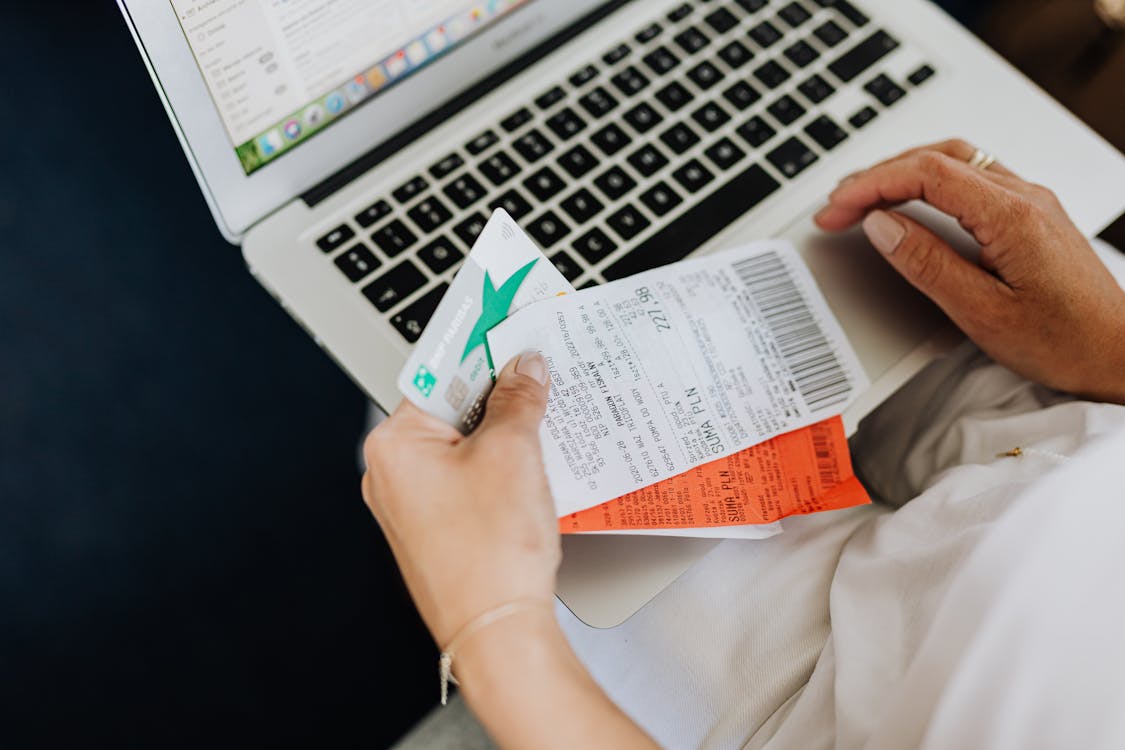
To prevent bounced checks, overdraft charges, and unnecessary stress, maintain detailed records of all your transactions. Write down every purchase, payment, and deposit you make each day. Staying organized helps you track your spending and manage your finances effectively.
For joint account holders, this responsibility is even more important. Both owners should carefully record every transaction and communicate regularly about deposits and withdrawals. Consistent tracking prevents unexpected surprises and errors. It also helps maintain trust and accountability between all account holders.
Be Smart About Choosing a PIN
To use a PIN safely, start by selecting a random combination of numbers that you can easily remember. Avoid simple or sequential numbers, such as “1234” or your birth year, which could be easily guessed by criminals. A strong and unpredictable PIN enhances the security of your accounts.
Equally important, never share your PIN with anyone. Do not send it through text messages, chat apps, or email. If you need to store it, keep it in a secure location that only you can access. Protecting your PIN prevents unauthorized access and potential financial loss.
Watch Out For Holds
Be keenly aware of holds on your credit card transactions. Merchants may place an account hold to get estimated purchase approval from your bank. The hold ensures funds are available for the transaction. You will be charged once the merchant receives approval for the estimated purchase amount.
This “hold” will take one to two days, so during this period, you will not have access to this held money in your bank account. You should make sure to keep track of subsequent transactions made during the day so that you don’t try to spend the money in your account that is held.
Use ATM Terminals Wisely
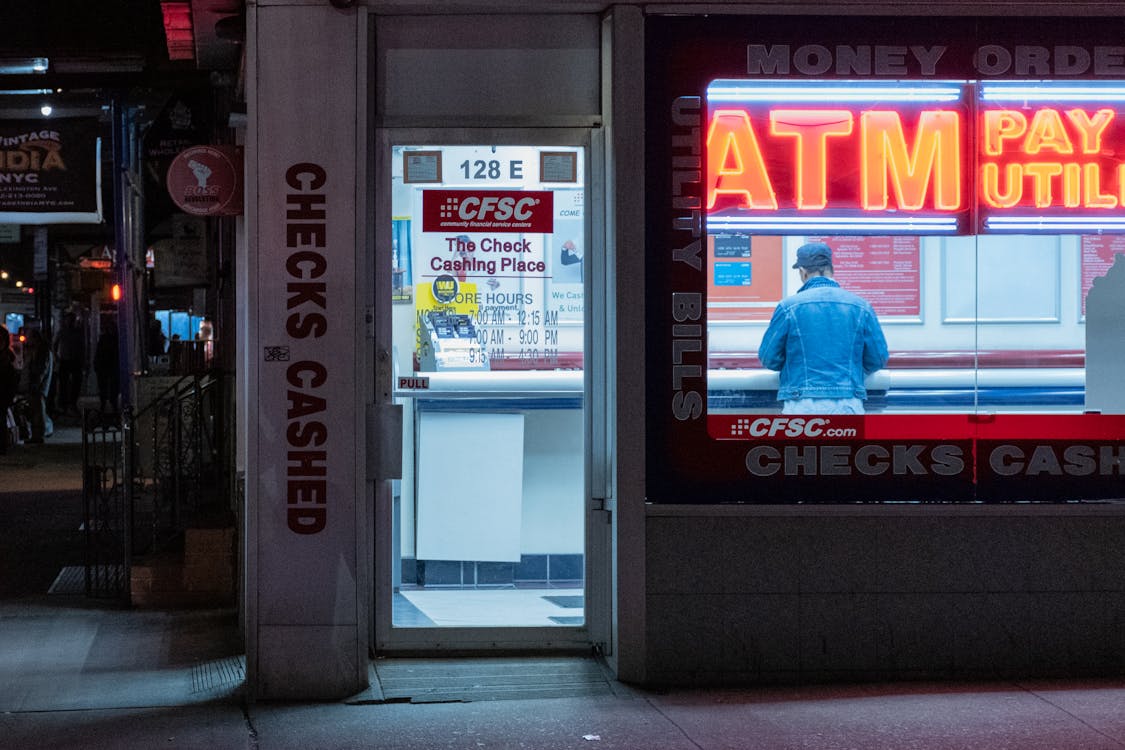
It is not unusual to have your debit card data compromised after the use of ATM terminals. In order to steal information, some robbers mount skimming devices or fake card readers to the terminals.
Be sure to only use ATM terminals you trust, such as those in public places within banking institutions. Use ATMs only in secure, well-lit areas.
Bottom Line
Owning a debit card has various advantages. To prevent additional problems and confusion down the road, safety measures should always be made.