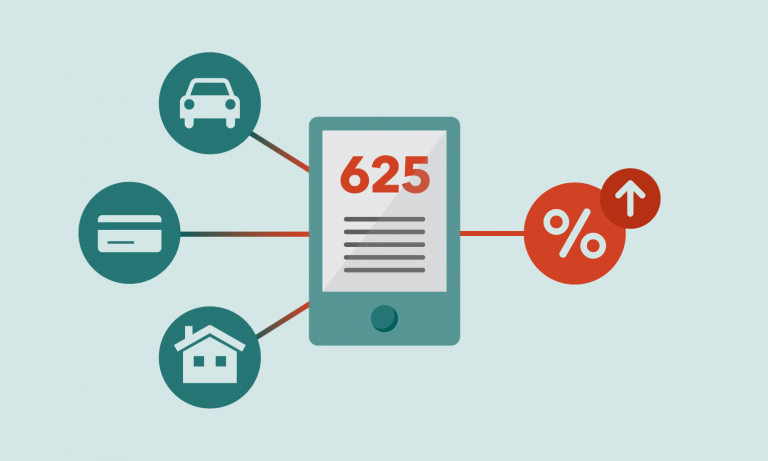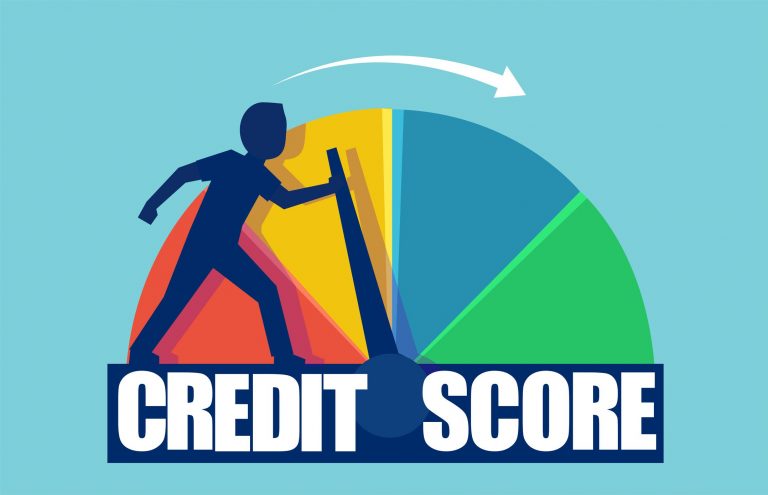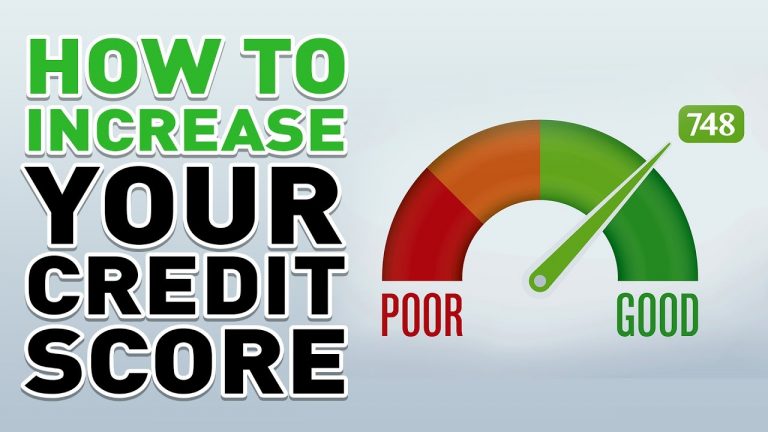
Credit-builder credit cards are specifically designed for people who want to boost their credit score because they have little or poor credit history. A credit score is a crucial metric lenders use to determine how reliable you are when it comes to borrowing money or managing credit responsibly. With the right approach, these cards can be the first step toward stronger financial health.
You’ll find it more challenging to borrow money or get approved for credit if your score is low, since lenders may view you as a higher-risk applicant. This can affect your ability to secure loans, mortgages, or even simple financial products like phone contracts. However, this issue doesn’t have to last forever, as tools like credit-builder cards can gradually help improve your standing.

Read on to discover how bad credit credit cards can be used as effective tools to strengthen your financial profile over time. This guide will explain how they work, outline their benefits, and share practical tips for making the most of them. By the end, you’ll be equipped with the knowledge to turn weak credit into a foundation for long-term stability.
Is Credit-Building For You?
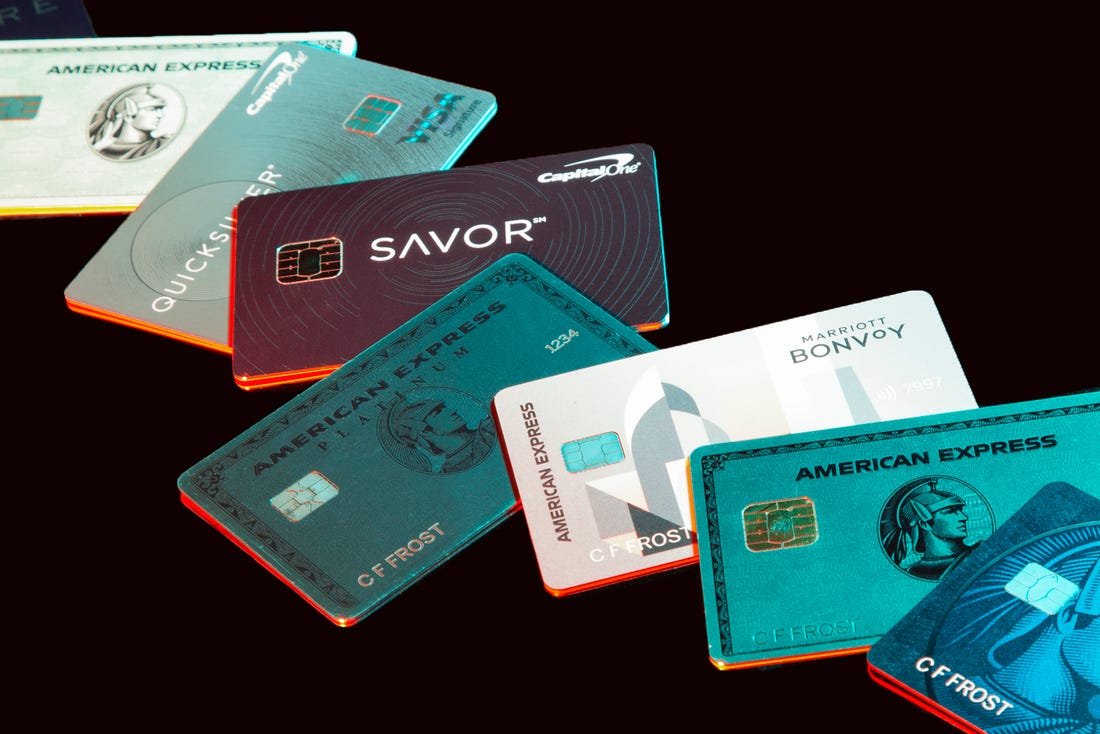
For people trying to boost their credit score, or for people who don’t qualify for conventional offers, credit cards to create credit may be a good option. Having a credit card from a credit-builder will give you the opportunity to increase your credit score.
Other ways you can improve your score include paying bills on time, making at least the minimum repayment on existing credit agreements per month, and registering at your current address for the electoral roll.
How This Works
Credit-building credit cards have higher-than-average annual percentage rates (APR) and low credit caps, also referred to as ‘poor credit’ credit cards. This means that you will not borrow a large amount of money, and the interest rate on the money you borrow will be higher than average. However, by repaying the balance in full each month, you can avoid paying any interest.
Having a good payment history will build your credit over a sustained period and make you more appealing in the future to lenders. Every month, repaying your debt will prove that you can manage credit and that you have control of your finances.
Secured Credit Cards for Credit Building
For these types of cards, the credit limit is usually dependent on a deposit to obtain the card. This deposit “secures” the card from any risk, as you’ve paid the balance upfront. This balance can be as low as $200 or $300 for individual cards.
Secured cards restrict the issuer’s risks and help customers remain within their means. This is important for people to be able to use the card to build credit. If your bank records your regular, on-time payments with the secured card to credit bureaus and your credit record is otherwise unblemished, you will have enough history to qualify for a standard credit card after six months or so.
Or, if you have proven that you are reliable in making your monthly payments on time, your secured card issuer may “graduate” you to one of their unsecured cards if you request it.
How to Choose Your Card
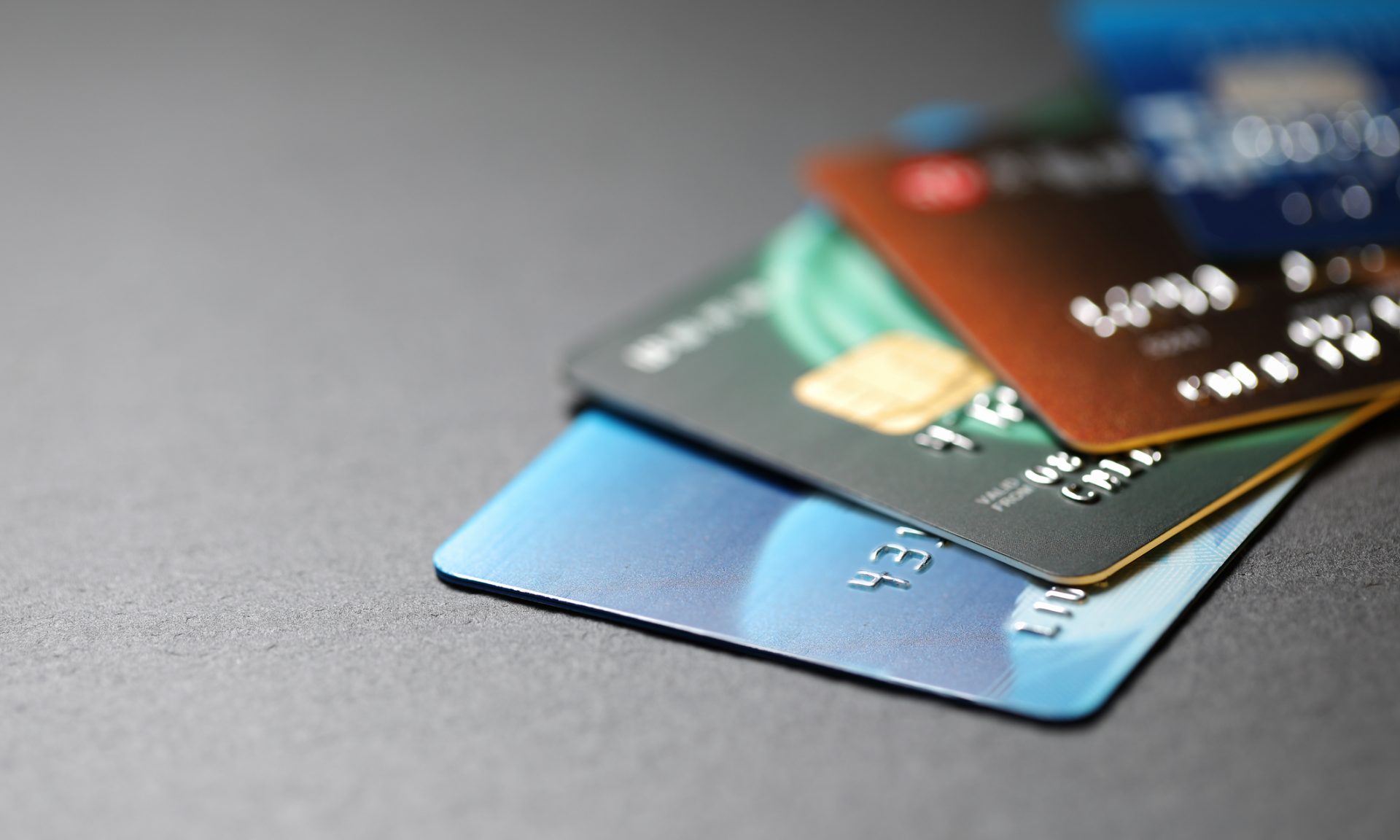
Many secured and unsecured credit builder cards offer different interest rates or additional advantages such as the opportunity to receive incentives. Browse and weigh multiple card options to determine which one is best for you. Only click through and submit once you have settled on a card that suits you.
With a bad credit credit card, it’s important to use it to your advantage. Defaulting on payments will result in you paying massive interest rates and being stuck in a debt loop, which will further hurt your credit score and cause you to pay more for credit in the future.
Eligibility Checker
Using an eligibility checker that lets you see your chances of being approved is the right way to escape hard checks. This way, before you actually make an application, you can weigh all your options.
Interest Rates
The interest rates offered on credit cards will never be competitive, but vendors provide different rates, so it’s worth testing what’s accessible.
Benefits
Each card may provide benefits, whether it’s through online or in-app banking, access to monitor your credit score, or 24-hour customer service.
Conclusion
A bad credit credit card can help you rescue your credit score or build credit when you have none. By making regular payments and avoiding interest charges, you can increase your chances of being awarded larger financial products in the future, such as car loans or a mortgage.
Disclaimer: All credit products carry risk. Be aware of these risks by reading the associated terms and conditions.