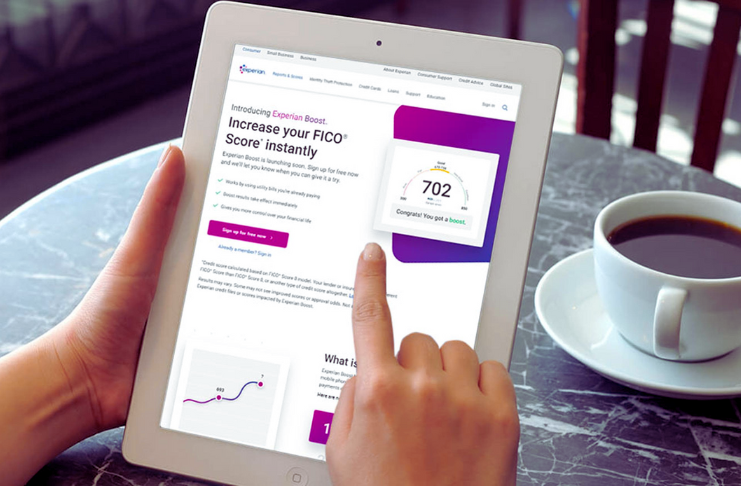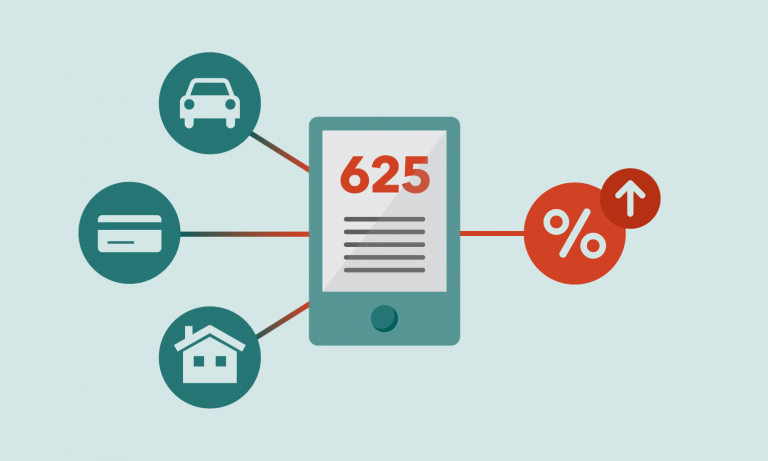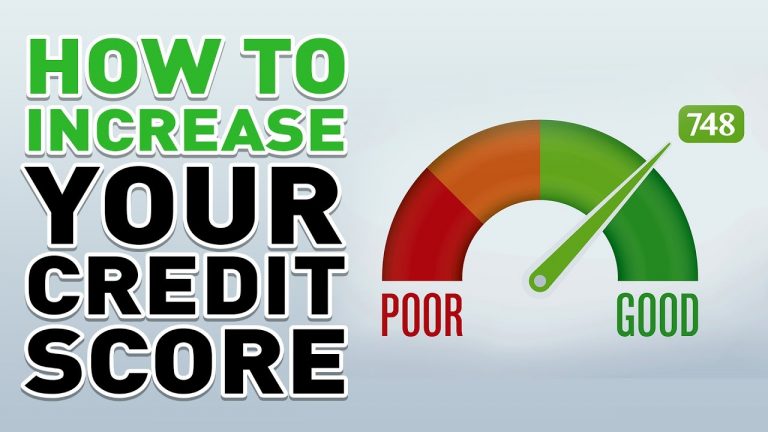
Understanding your credit score is crucial for making informed financial decisions. Many consumers often confuse different types of credit scores, especially Equifax scores and FICO scores. While both provide insights into your creditworthiness, they are calculated differently and serve distinct purposes. Knowing these differences can help you manage your credit more effectively, improve your financial health, and make better decisions regarding loans and credit cards.

What is an Equifax Score?
An Equifax score is a type of credit score provided by Equifax, one of the three major credit bureaus in the United States. This score evaluates your credit history, current debts, repayment patterns, and other financial behaviors to provide lenders with a snapshot of your credit risk. Equifax scores are widely used by lenders, employers, and landlords to assess an individual’s reliability in managing debt. Understanding your Equifax score can give you a clear picture of how your credit habits are perceived in the financial world.
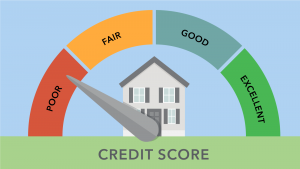


Equifax collects information from various creditors, including credit card companies, banks, and loan providers. They analyze this data to produce a score that typically ranges from 300 to 850. A higher score indicates better credit health, while a lower score signals higher risk to lenders. Regularly checking your Equifax score allows you to spot inaccuracies and take steps to improve your credit profile over time, ensuring you remain in good standing with potential lenders.
What is a FICO Score?
A FICO score is a proprietary credit score developed by the Fair Isaac Corporation. Unlike Equifax scores, which are bureau-specific, FICO scores are widely used across all major lenders and are considered a standard measure of creditworthiness. They are calculated using a standardized formula that considers your payment history, credit utilization, length of credit history, types of credit in use, and recent credit inquiries. Lenders rely heavily on FICO scores to decide whether to approve loans and credit applications.
FICO scores also range from 300 to 850, with higher scores reflecting stronger credit management. One key difference from Equifax scores is that FICO scores are not tied to a specific credit bureau. Instead, they can be generated using data from Equifax, Experian, or TransUnion. This flexibility makes FICO scores particularly important for consumers because they often provide a more consistent benchmark when applying for loans, mortgages, or other types of credit.
Key Differences Between Equifax and FICO Scores
Understanding the differences between Equifax and FICO scores is essential for managing your credit effectively. One of the main distinctions is the calculation method. Equifax uses its own scoring model to generate a score based on its database of your financial history. In contrast, FICO uses a proprietary formula that applies consistent criteria across different credit bureaus, including Equifax, Experian, and TransUnion. This means your FICO score may differ slightly from your Equifax score, even if the data used is similar.
Another difference lies in usage. Equifax scores are primarily used by specific lenders and organizations that rely on Equifax data. FICO scores, on the other hand, are considered the industry standard and are more commonly referenced by a broad range of financial institutions. While both scores aim to assess credit risk, knowing which score a lender prefers can help you tailor your financial planning and ensure you are maximizing your chances of approval for loans or credit cards.
How Payment History Impacts Scores
Payment history is one of the most significant factors affecting both Equifax and FICO scores. Consistently making payments on time demonstrates financial responsibility and positively impacts your score. Late payments, defaults, and delinquencies can lower your scores significantly. Equifax may weigh certain types of late payments differently than FICO, resulting in slight variations between your scores. Therefore, maintaining a consistent history of timely payments is critical for both types of scores.
In addition to on-time payments, both scoring models consider patterns over time. Occasional late payments may have a smaller impact than repeated delays or long-term defaults. By understanding how payment history is evaluated, you can focus on improving areas that may negatively affect your credit score. Regularly monitoring your reports from both Equifax and FICO allows you to catch any discrepancies or errors that might unfairly lower your credit standing.
Credit Utilization and Its Role
Credit utilization, which measures the ratio of your current credit card balances to your available credit limits, is another major factor for both Equifax and FICO scores. High credit utilization can indicate financial stress and may negatively impact your score, while lower utilization demonstrates responsible credit management. FICO scores typically emphasize maintaining balances below 30% of your available credit. Equifax scores may use a similar threshold, but slight variations can exist depending on the scoring model used.
Effectively managing credit utilization involves paying down balances regularly and avoiding maxing out credit cards. Monitoring both your Equifax and FICO scores can help you identify trends and take corrective actions before applying for major loans. Keeping your utilization low is one of the fastest ways to improve your overall credit health and ensure both your Equifax and FICO scores remain strong.
Types of Credit Considered
Both Equifax and FICO scores consider various types of credit accounts, including credit cards, installment loans, mortgages, and other lines of credit. FICO scores may place slightly more emphasis on a diverse credit mix, rewarding consumers who responsibly manage different types of credit. Equifax scores also factor in your credit mix, but their weighting and scoring methodology may differ. Understanding the importance of your credit mix can help you plan for future credit applications more strategically.
For instance, having a combination of revolving credit (like credit cards) and installment loans (like car loans or mortgages) can positively influence your FICO score. Equifax may also consider the length of each account and the overall credit utilization for each type. By maintaining a balanced and well-managed credit portfolio, you can improve your chances of obtaining favorable terms on loans and ensure strong credit scores across different models.
Recent Credit Inquiries
Recent credit inquiries occur when lenders check your credit report during the application process. Both Equifax and FICO scores take inquiries into account, but they may weigh them differently. Hard inquiries, which result from applying for credit, can temporarily lower your score. Soft inquiries, such as those made for pre-approval offers or personal credit checks, generally do not affect your score. Monitoring inquiries and spacing out applications can help maintain a stable score across both models.
By understanding how each scoring system views inquiries, you can make informed decisions about when to apply for new credit. Avoiding multiple applications in a short period reduces the risk of lowering your score and ensures that lenders see a consistent credit history. Being strategic about credit applications is particularly important if you plan to apply for a mortgage, auto loan, or major line of credit.
Monitoring and Improving Your Scores
Regularly monitoring your Equifax and FICO scores allows you to identify errors and track your progress in improving credit. Most credit bureaus offer tools and alerts to help you stay on top of your financial profile. Reviewing your reports for inaccuracies, such as incorrect late payments or unreported accounts, ensures that your scores accurately reflect your financial behavior. Proactive monitoring is a key step toward maintaining strong credit health.
Improving your scores involves a combination of on-time payments, responsible credit utilization, maintaining a diverse credit mix, and avoiding unnecessary credit inquiries. Both Equifax and FICO provide resources and recommendations tailored to help consumers enhance their scores. By understanding the differences and focusing on shared improvement strategies, you can optimize your creditworthiness and achieve better outcomes in financial decisions.
Disputing Errors
Errors in your credit report can have a significant impact on your scores. Both Equifax and FICO allow you to dispute inaccuracies with the respective credit bureau. Providing supporting documentation and following the dispute process can correct these errors and potentially raise your score. Regularly reviewing your credit reports ensures that you are aware of any discrepancies and can address them promptly, safeguarding your financial reputation.
Disputing errors is not just about correcting mistakes; it also demonstrates your commitment to responsible credit management. Keeping detailed records of disputes and communications with credit bureaus can help resolve issues efficiently. A proactive approach ensures that your scores remain accurate and reflective of your true credit history, which is crucial when seeking new credit or financial opportunities.
Conclusion
Understanding the differences between Equifax and FICO scores is essential for managing your financial health. While both types of scores evaluate creditworthiness, they use different methodologies, data sources, and weighting factors. By knowing how each score is calculated and what factors influence them, you can take targeted actions to improve your credit profile. Monitoring your scores regularly, maintaining responsible credit habits, and disputing inaccuracies are all critical steps to achieving strong financial standing. Staying informed and proactive ensures you are well-prepared for any financial decision, from obtaining a credit card to applying for a mortgage.