Raising your credit score in a short period may seem challenging, but with the right strategies and consistent effort, it is achievable. A higher credit score not only improves your chances of getting approved for loans and credit cards but can also lead to better interest rates and financial opportunities. Understanding the factors that influence your credit score and implementing practical steps allows you to make meaningful improvements within just 30 days. By being proactive, organized, and informed, you can take control of your credit profile and achieve noticeable results.
Understanding Your Credit Score
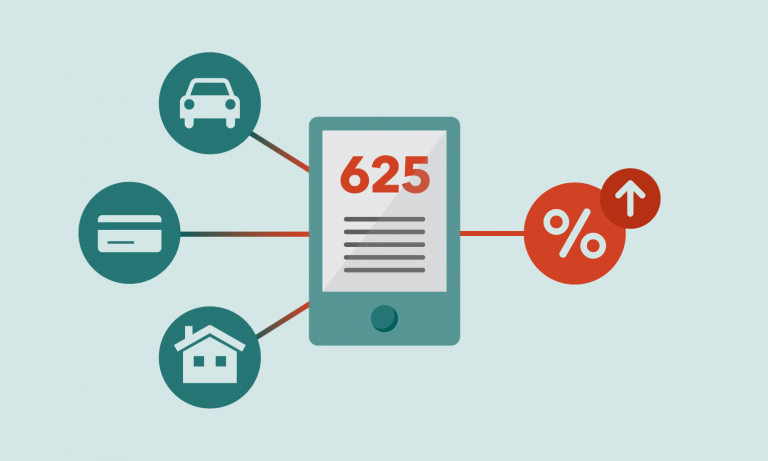
Your credit score is a numerical representation of your creditworthiness, determined by factors such as payment history, outstanding debt, credit utilization, account age, and recent credit inquiries. Payment history carries the most weight, reflecting whether you make timely payments on loans and bills. High credit utilization, where you spend a large portion of your available credit, can negatively impact your score. Additionally, opening too many new accounts in a short period can be seen as risky behavior by lenders. By understanding these elements, you can target specific areas for improvement and focus your efforts efficiently.



Check Your Credit Report for Errors
Before making any changes, review your credit report from all three major credit bureaus: Experian, Equifax, and TransUnion. Errors on your report, such as incorrect account balances, wrongly reported late payments, or duplicate accounts, can lower your score unnecessarily. If you find inaccuracies, dispute them with the respective credit bureau to ensure your report reflects accurate information. Correcting these mistakes can sometimes result in a significant score increase within a few weeks, making it an important first step in your 30-day plan.
Pay Down High Balances
One of the quickest ways to raise your credit score is by reducing your credit card balances. Aim to pay down revolving credit as much as possible, especially on cards that have high utilization rates. Ideally, keep your credit utilization below 30% of your available limit to show lenders that you manage credit responsibly. Prioritize paying off high-interest cards first to save money on interest while improving your credit profile. Even small reductions in balances can positively affect your score within a short period.
Make Timely Payments
Consistently making on-time payments is crucial for credit score improvement. Set up reminders or automatic payments for all bills, loans, and credit cards to avoid late payments. Even a single late payment can have a negative impact on your score, so maintaining punctuality is essential. If you have missed payments in the past, bring accounts current as soon as possible to demonstrate responsible credit behavior. By focusing on timely payments, you reinforce a positive payment history, which is the most influential factor in your credit score.
Limit New Credit Applications
Opening multiple new credit accounts within a short period can reduce your credit score, as each application generates a hard inquiry on your report. These inquiries indicate to lenders that you may be taking on more debt, which can be seen as a higher risk. To avoid unnecessary score drops, limit new applications during your 30-day improvement plan. Only apply for credit if necessary and ensure you have a strategic plan for which accounts will most benefit your overall credit profile.
Utilize Existing Credit Wisely
In addition to paying down balances, make strategic use of your existing credit. Maintain a mix of credit types, such as installment loans and revolving accounts, to demonstrate responsible credit management. Avoid closing older accounts, as account age contributes positively to your credit history. Small, consistent use of your credit cards with timely repayments can further boost your score. By demonstrating responsible credit behavior across multiple accounts, you signal to lenders that you are a low-risk borrower.
Monitor Progress and Adjust
Tracking your credit score throughout the 30-day period helps you stay motivated and make necessary adjustments. Use online credit monitoring tools to see changes in your score and ensure that your efforts are having the desired effect. If certain strategies are not producing results, consider alternative approaches such as negotiating with creditors for lower balances or addressing collections accounts. Continuous monitoring allows you to make informed decisions and maintain momentum in improving your credit score.
Conclusion
Raising your credit score in 30 days is possible with a focused, disciplined approach that targets key factors affecting your credit. By understanding your score, checking for errors, paying down balances, making timely payments, limiting new credit applications, and using existing credit wisely, you can achieve noticeable improvements. Monitoring your progress ensures that your strategies are effective and helps maintain long-term credit health. Implementing these tips and tricks consistently empowers you to strengthen your financial standing and unlock better lending opportunities in the near future.