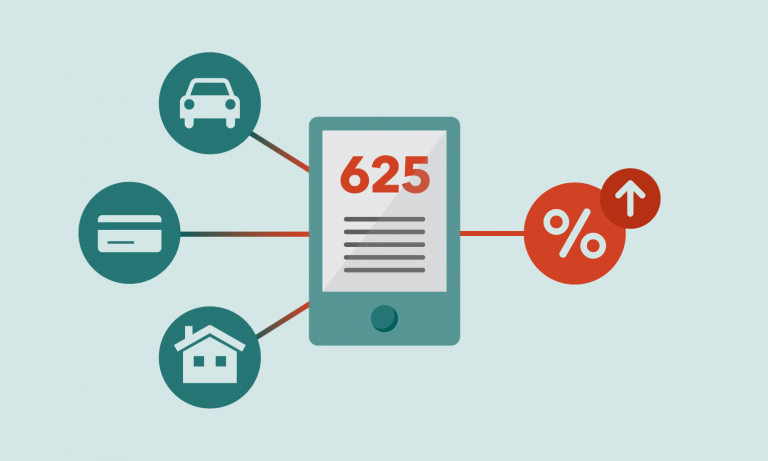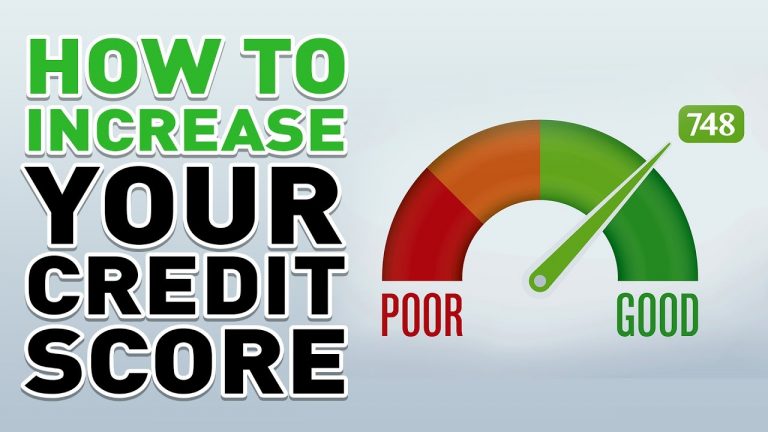
Your credit score is a critical measure of your financial health and borrowing reliability. It impacts your ability to secure loans, credit cards, mortgages, and even rental agreements. Understanding the factors that can damage your credit score beyond repair is essential for protecting your financial future. By recognizing warning signs early, you can take corrective actions before it becomes too late.
Persistent Late Payments
Consistently missing payments on credit cards, loans, or other financial obligations is one of the most damaging factors for your credit score. Lenders see repeated late payments as a sign of financial instability, which can drastically lower your score over time. Even a single missed payment can have negative effects, but habitual lateness can create long-term damage that is difficult to repair. Establishing automatic payments or reminders is a practical step to prevent late payments and maintain a healthy credit profile.

4 Reasons Homeowners Have the Highest Credit Scores show why property ownership often leads to stronger financial credibility. What is your credit score, and are you truly satisfied with it? If your score isn’t where you want it to be, it’s crucial to understand the factors that can improve it and those that can negatively affect it. Being aware of these elements allows you to make informed financial decisions and manage your credit more effectively over time.
→
Bad Credit Credit Cards to Build Credit: A Brief Guide
→
What’s the Difference Between the Balance Transfer Fee and Rate?
→High Levels of Debt
Carrying high levels of debt relative to your available credit, also known as a high credit utilization ratio, can severely impact your credit score. This situation signals to lenders that you may be overextended and unable to manage additional credit responsibly. Maintaining balances below 30% of your total credit limit is generally recommended to demonstrate financial responsibility. Reducing outstanding debts through structured repayment plans or consolidation strategies can help improve your credit standing over time.
Defaults and Charge-Offs
Defaulting on a loan or having a credit account charged off indicates a severe inability to meet financial obligations. These events remain on your credit report for several years, often causing long-lasting damage. A default signals extreme risk to lenders and can make it nearly impossible to secure new credit without significantly higher interest rates. If you face financial difficulties, contacting your lender to negotiate terms or considering debt management programs can help mitigate the long-term effects.
Bankruptcy
Declaring bankruptcy is one of the most serious factors that can render a credit score irreparable in the short term. Although it provides legal relief from overwhelming debt, bankruptcy remains on your credit report for up to ten years, severely limiting access to new credit. Lenders view bankruptcy as a last-resort measure, and recovering a strong credit score afterward requires disciplined financial management over an extended period. Understanding the implications of bankruptcy and exploring alternatives whenever possible is essential for preserving your financial future.
Foreclosures and Repossessions
Foreclosures on property or repossessions of financed assets indicate a failure to meet significant financial commitments. These actions can cause substantial and lasting damage to your credit score, often making it challenging to obtain loans or favorable rates in the future. Avoiding foreclosure or repossession through negotiation with lenders, refinancing, or seeking professional advice is crucial for maintaining creditworthiness. Timely intervention can prevent these serious consequences and protect your financial reputation.
Conclusion
While many factors can negatively impact your credit score, persistent late payments, high debt levels, defaults, bankruptcies, foreclosures, and repossessions are particularly severe. Recognizing these warning signs allows you to take action before your credit situation becomes irreparable. Maintaining responsible financial habits, monitoring your credit regularly, and seeking professional guidance when necessary can help safeguard your score. Proactive management of your credit ensures long-term access to loans, credit opportunities, and favorable financial terms.