4 Reasons Homeowners Have the Highest Credit Scores show why property ownership often leads to stronger financial credibility. What is your credit score, and are you truly satisfied with it? If your score isn’t where you want it to be, it’s crucial to understand the factors that can improve it and those that can negatively affect it. Being aware of these elements allows you to make informed financial decisions and manage your credit more effectively over time.

4 Reasons Homeowners Have the Highest Credit Scores show why property ownership often leads to stronger financial credibility. What is your credit score, and are you truly satisfied with it? If your score isn’t where you want it to be, it’s crucial to understand the factors that can improve it and those that can negatively affect it. Being aware of these elements allows you to make informed financial decisions and manage your credit more effectively over time.

Are you a homeowner? You might be wondering why this question is relevant. When examining the average credit score of Americans, it becomes evident that homeowners consistently maintain higher scores than renters or individuals without significant assets. This pattern highlights the connection between property ownership and financial credibility.

In many cases, homeowners have a notable impact on the American credit score average. VantageScore reports that homeowners make up 70% of people with credit scores of 750 and above, demonstrating their strong influence on high credit ratings. Understanding the reasons behind this can provide insight into how responsible ownership and long-term financial commitments contribute to overall credit health.

credit scores

It’s Almost Impossible to Buy a House With Bad Credit

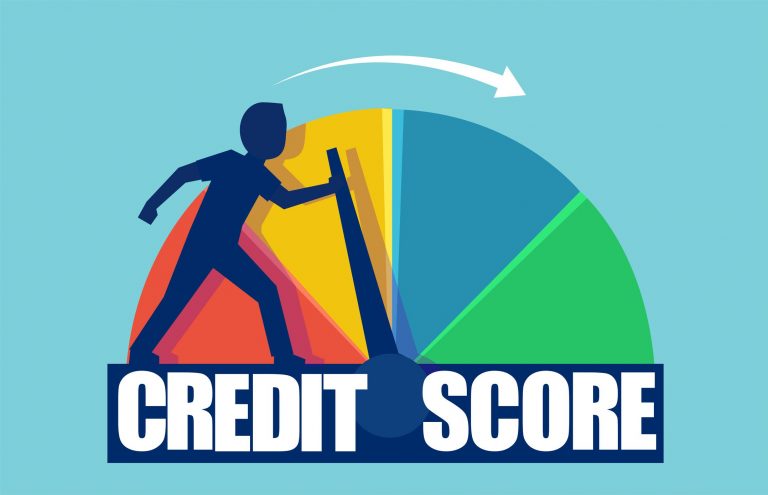
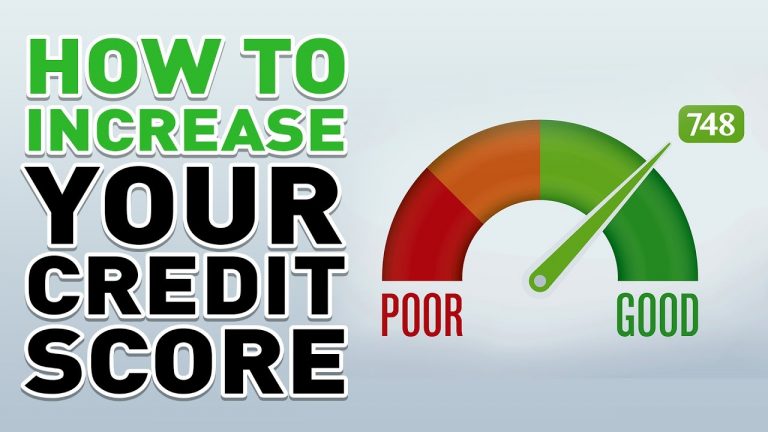
Unless you’re paying cash, the chances of you buying a house with bad credit are quite low. To be eligible for a mortgage, you have to meet certain criteria, including meeting the lender’s minimum credit score. The minimum credit score to get a mortgage at a conventional bank is around 620. For other lenders, you may be eligible at a lower score of around 500. All in all, the higher your credit score the better.

Like many people, you might assume that lenders are only interested in whether you can afford the mortgage. In reality, they also want to ensure that you are reliable and consistent in making payments over time. Demonstrating both ability and responsibility is key to gaining their confidence.

Your credit score, therefore, plays a critical role in your mortgage application. Even if you can prove that you have the income and financial means to pay back the loan, a weak credit score can undermine your credibility. Lenders view a strong credit score as evidence of trustworthiness and financial discipline, which can greatly influence their decision.

Homeowners Have a Diverse Credit Mix

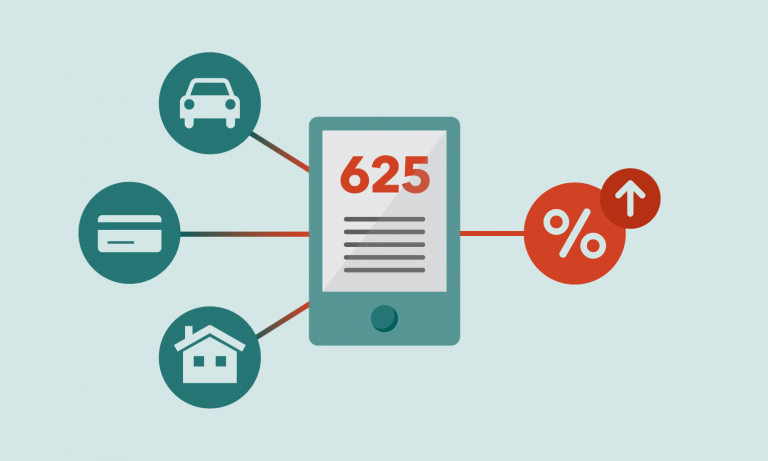
As a renter, you don’t have the same diversity of credit that a typical homeowner in the US possesses. Homeowners usually have a combination of credit types, including mortgages, credit cards, and auto loans, which strengthens their overall credit profile. This variety in credit demonstrates responsible financial management and contributes significantly to building a higher credit score over time.

A mortgage can play a significant role in improving your overall credit profile because it adds diversity to your types of credit, which in turn helps build your credit score. Having a varied credit mix demonstrates to lenders that you can manage different types of financial obligations responsibly. This diversity is highly valuable in credit scoring, as it can account for up to 10% of your final credit score, making it an important factor in achieving a strong financial standing.

If your existing credit mix lacks the diversity that a mortgage can provide, your credit score may not reach its full potential and could suffer as a result. Lenders often view a limited credit mix as a sign of inexperience in managing different types of debt. Incorporating a mortgage responsibly into your credit history can therefore help balance your profile, improve your score over time, and increase your attractiveness to future lenders.

Homeowners Are Usually Older

An older person will almost always have a better credit score compared to someone younger. This is largely because they have had access to credit products for a longer period and have gained a deeper understanding of how these financial tools work. Over time, they have likely made mistakes, learned from them, and corrected their financial habits, which contributes to a stronger overall credit profile.

Their credit score is typically higher because they have had sufficient time to establish and build it steadily. The impact of time on credit building cannot be underestimated, as consistent, responsible use of credit over the years significantly strengthens a person’s financial credibility. Patience, experience, and careful management are key factors that allow older individuals to maintain a strong credit score.

Homeowners Have a History of Paying Their Debts

Your credit score is usually affected by how well you handled your previous debts. You may think that debts like credit card debts don’t pay a role in your score, but they do.

For you to become a homeowner, you’ll likely take out a mortgage and to get the mortgage, you have to prove your ability to pay the debt. If you have a paper trail of paying off debt, your score will vastly improve since you can be trusted. Most homeowners needed this proof in order to buy a home in the first place.

credit score

Conclusion

You may be wondering why homeowners have good credit scores, unlike you as a renter. To gain the trust of the lenders and since mortgages are not easy to come by, they have built good credit over many years.


Ethan Varela
Ethan Varela
Ethan Varela is a Certified Financial Analyst with over 15 years of experience in investment strategy, consumer credit, and personal finance education. Before launching his independent finance platform, Ethan advised Fortune 500 companies and high-net-worth clients at two top-tier investment banks. He’s passionate about breaking down complex financial topics into strategies everyday people can use to build real wealth. When he's not decoding credit reports or optimizing debt payoffs, Ethan’s probably hiking or hunting for vintage financial books no one reads anymore—but probably should.