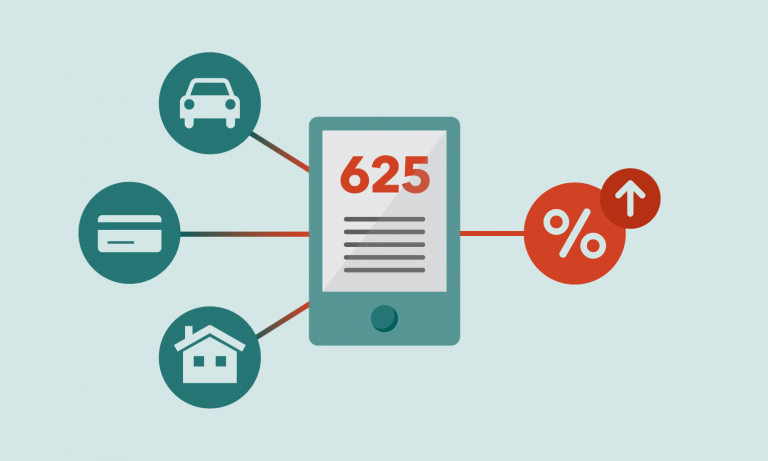
Strong credit plays an integral part in your financial life. For obvious purposes like obtaining a credit card, car loan, or mortgage, most people think of good credit. But credit also plays a role in less obvious things, such as renting a car, apartment, or house.
If you’re trying to build a credit score for the first time, or rebuild credit after a few financial mistakes, you’re likely confronting a common challenge. You need credit to get a credit score, but you’ll need a good credit score to get credit products like loans and credit cards in the first place.

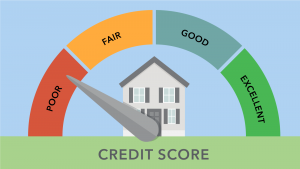
Many people assume certain bank accounts directly build credit faster than others. The real question is how credit reporting works in practice, and the next sections explain which bank products influence your score and which ones do not.
Savings Accounts
Savings accounts do not directly affect your credit history, since they are not recorded on your credit report. That doesn’t imply that saving is unnecessary or that when you’re attempting to get a loan, they can’t affect you.
A lender typically wants to see that you have savings in addition to a satisfactory credit score because it raises the likelihood you have good financial management and resources to pay back credit card balances.
Having savings puts you in a better position to handle any debt or credit items you have (specifically, credit cards). A savings account makes it less likely that you would need to resort to a credit card or payday loan for an unexpected cost.
Debit Cards or Prepaid Cards
Although these cards may look and swipe as credit cards, they will not help you establish your credit. Both debit and prepaid cards have a card network logo on them, such as Visa, MasterCard, American Express, or Discover, but you don’t borrow money.
The funds are collected directly from your bank account when using a debit card, so the transaction is viewed as a cash payment, even though you select “credit” rather than “debit” at the transaction time.
When using a prepaid card, you spend money that you have charged to the card in advance. Debit cards and prepaid cards are not reported to the credit agencies and will not affect your credit score.
Checking Accounts
Debit and prepaid cards can resemble credit products at checkout, yet they do not build credit because no borrowing occurs. Network logos from Visa, Mastercard, American Express, or Discover simply route payments rather than create reported credit activity.
In your credit report, regular day-to-day use of your checking account, like depositing money, writing checks, withdrawing funds, or transferring funds to other accounts, does not show. Your credit report is concerned only with money that you owe or have owed.
There are also some unique cases where your credit score may be affected by your checking account. For example, if you sign up for overdraft protection on your checking account, your credit report can get triggered. Although banks often market this service to their customers as a bonus or a favor, overdraft protection is, in reality, a line of credit.
As such, it can prompt a hard inquiry and will also end up being classified as a revolving account on your credit report. Every bank is different in this aspect, so ensure you understand if and how your bank reports it to credit bureaus before signing up for overdraft protection.
Bottom Line
In short, credit building is just improving your credit history. It involves getting credit accounts such as credit cards and different forms of loans, and using them responsibly over time.
Credit is a type of trust with financial institutions. As you build credit, you build trust with future lenders as time goes by, increasing the likelihood that they will be willing to approve your loan in the future.