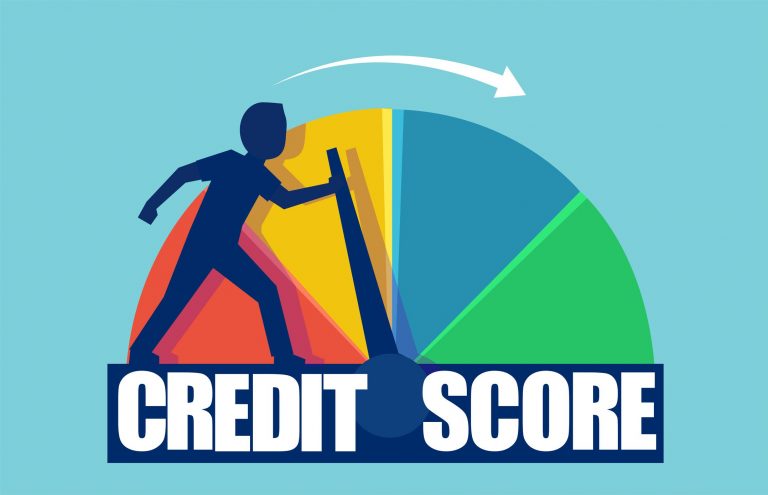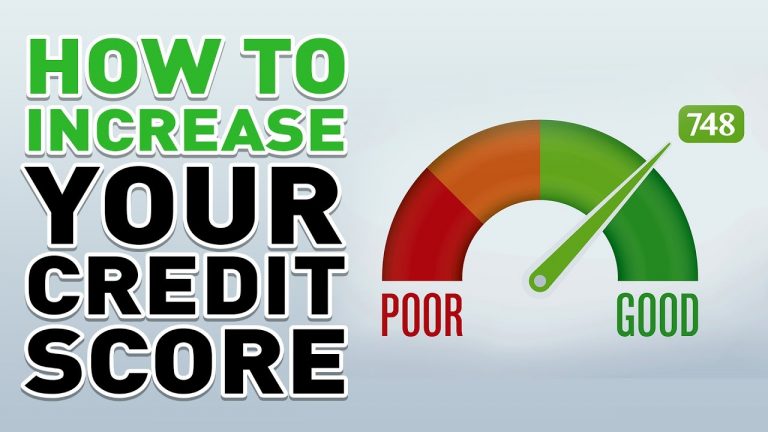
There is no better time to start improving your bad credit history than right now. Repairing your credit card history can be straightforward if you are determined and follow the right steps. With focus and consistency, it doesn’t take long to see meaningful improvements. Knowing what to do is key to speeding up the process.
If you find yourself stuck in a difficult financial situation, there are clear steps to follow. This simple process can help you repair and gradually improve your credit score. Taking action now prevents further financial strain and opens up more opportunities. Consistency and discipline are essential to achieving results.


You don’t have to live with ongoing debt or a low credit score forever. By making small but effective adjustments to your lifestyle and habits, you can regain control of your finances. These changes help set a strong foundation for future financial stability. Taking proactive steps ensures you move closer to your financial goals.
Pay Past Due Debts
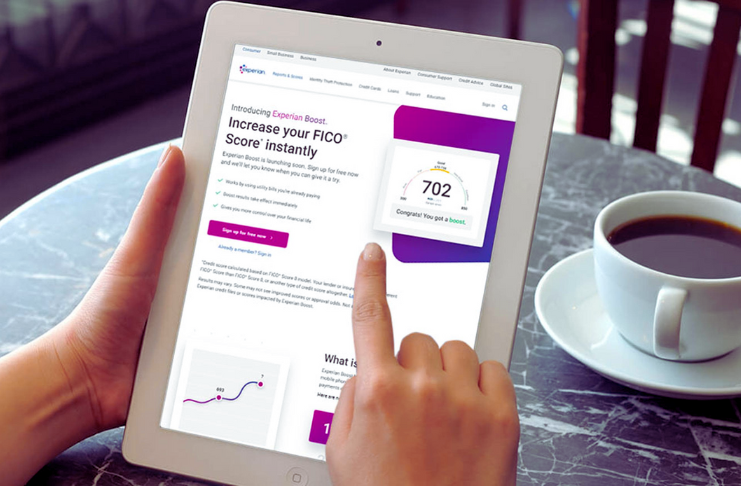
Your credit history is usually affected by your payment history. Often, late payments are the biggest enemy of your credit score because they count for up to 35 percent of your FICO score. In case you have any accounts that are more than 60 days late, make the payment to avoid them affecting your credit.
Work on Your Student Loan Default
In most cases, a student loan default is not permanent and can be resolved. It’s important to speak with your lender to explore all available payment options to get out of default. Taking this step helps begin the process of repairing your credit history. Resolving the default moves you closer to financial stability.
However, restoring your loan status doesn’t happen immediately and may take several months of timely payments. In some cases, you might need to apply for a student loan forgiveness program. Consistent payments gradually bring your loan current. Patience and diligence are key to recovering from default.
Open Another Account
Yes, another option to repair your credit history is by opening another account. Provided there is no balance on that card, and the available limit automatically increases by the card’s limit. However, go for a card that doesn’t come with an annual fee, and the best place to get it is where you have an account already.
Pay All Unpaid Judgements
Clear All Outstanding Balances
Usually, you cannot borrow money if you have a bad credit history. Those are the things that lenders typically look at first thing. It might be tricky to pay off all your balances to increase your credit history on such short notice, but make it part of your long-term financial plan.
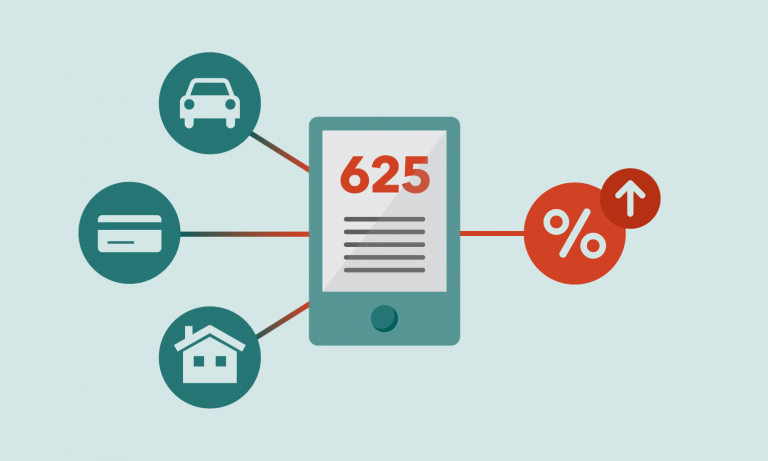
This will help you to increase not only your credit score but also reduce your interest rate. So, as you make your financial plans, paying debts should come first, as this will help you borrow money in the future in case an emergency strikes.
Conclusion
Repairing your bad credit history is doable and can be done if you are disciplined enough and follow the right steps. Follow the above steps, and you will live a healthy financial life within no time.
Whether you have to pay off past debts, clear out your student loan balances, or just find a way to exceed your minimum payment from time to time, there is a way to succeed.