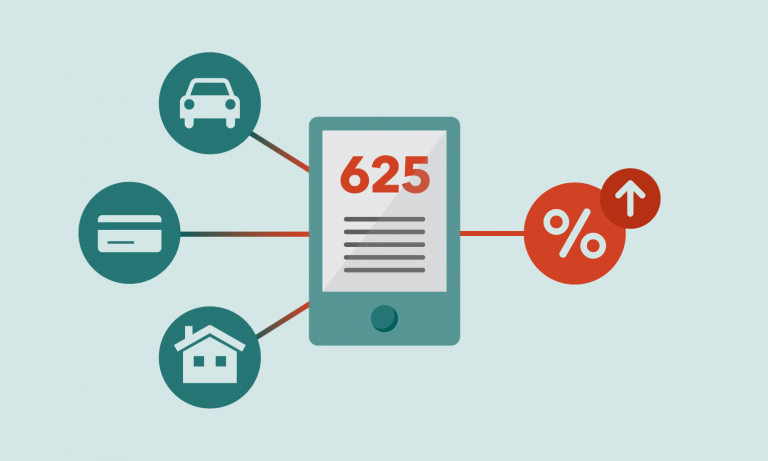
If you want to improve your credit score, you need to pay close attention to the basics. A credit score indicates how much a lender is likely to offer and how comfortable they are extending credit. Lenders also look at it to gauge risk and decide the terms you receive.
If your score is poor, available credit will be limited and approvals may be harder to secure. A higher score improves your chances when applying for a credit card or a bank loan, and it can open more flexible limits and terms.



Here are steps you can use to improve your credit score. These focus on everyday habits you can start now and maintain over time.

1. Make timely credit card payments
How you handle credit card payments can affect your score positively or negatively. Missing due dates signals higher risk to creditors and reduces trust, which can hold future applications back. Consistent on-time payments build reliability over time.
On the other hand, timely payments of your credit card can positively affect your score. Sometimes, it can be hard to keep up with payments on time, so, you can sign up for auto payments. This will ensure that you don’t forget to make the payments on time.
2. Keep your paid-off credit accounts open
It is quite reasonable for you to want to do away with a credit card after you’ve paid it off. But, that isn’t the most advisable move if you want to raise your credit score. Keep the accounts open for future reference.
Also, credit history is also important when calculating your credit score. The longer you have open credit accounts in good standing, the higher your credit score will be. Therefore, don’t close old credit cards when you’ve paid them off.
Review Your Credit Report
It is imperative to keep a close eye on your credit report, as mistakes do happen. When the said mistakes happen, they can negatively affect your credit score. Legally, late payments and other negative info can stay on your record for seven years.
The other reason to track your credit report is to catch signs of identity theft early and report them promptly. Quick action helps limit damage and correct records sooner.
Regularly Use Credit
One of the best steps that you can use to grow your credit score is to periodically use your credit. You may not like the idea if you’re on a budget and worried about overspending. But using cash for small payments does nothing to improve your credit score.
A long history of responsible credit usage helps the next lender trust your application. Keep balances reasonable, pay on time, and avoid opening unnecessary new accounts. Use your credit carefully so the positive history keeps working in your favor.
Overpay Your Minimum Due
Like most people, you may be tempted to only pay the set amount by your lender on the payment day. But you should overpay. The amount is low because most of it goes to pay the interest that you incur on your credit.
By overpaying, you’ll be lowering your debt, and your minimum pay drops, as well. This will boost your credit score. Every little amount counts in this case.
Conclusion
Improving your credit score is the gateway to getting better credit next time. At every chance, you should use these steps to improve your credit score.
Disclaimer: All credit products carry risk. Be aware of these risks by reading the associated terms and conditions.