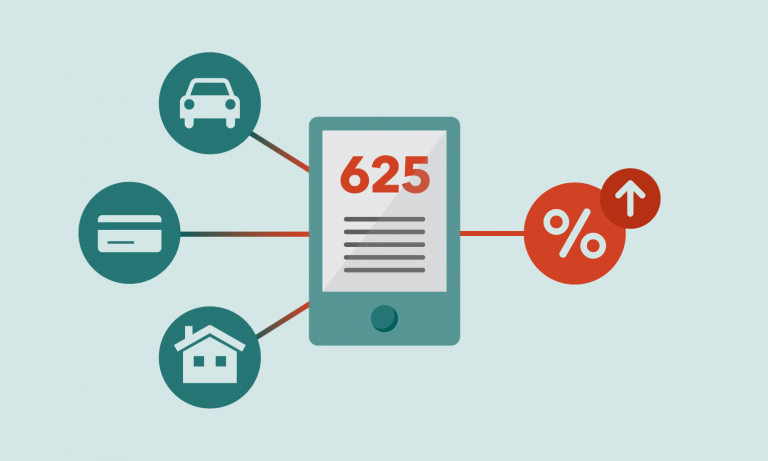
Did you know that your credit score plays a significant role in your credit card application? Lenders use it to evaluate your financial reliability and assess the risk of lending to you. A strong score demonstrates responsible credit use and timely payments. This makes you a more attractive applicant to banks.
When applying for a credit card, the bank reviews your credit score to estimate their risk. They consider whether you are likely to pay your balances on time and manage credit responsibly. Your score gives them an idea of your financial behavior. This evaluation influences the approval decision and potential credit limit.



In this context, the higher your credit score, the better your chances of getting approved for the card you want. A strong score signals trustworthiness and financial responsibility to lenders. Maintaining good credit habits helps you qualify for cards with better perks. Being proactive about your score increases your application success rate.

Insights
Minimum Requirements and Scores
- Having too much debt or remaining with high credit balances after clearing the balances.
- Having a short credit history.
- Having too much available credit (low credit utilization).
- Having recent charge-offs, late payments, or other negative items.
In some cases, if your credit score is in the high 600s, certain institutions might approve your application. Approval depends on the lender’s criteria, so you need to be extremely cautious. Being aware of your credit standing helps you make informed decisions. Careful monitoring can improve your chances of success.
You are more likely to be approved if you have at least one year of timely payments and maintain low credit card debt. However, if your score is below 700 due to revolving debt or missed payments, approval becomes unlikely. Lenders prioritize applicants with a strong payment history and responsible credit usage. Managing your credit carefully increases the likelihood of approval.
Do you have any recent significant balances or late payments on your current credit card? If so, do not apply for a new credit card. It doesn’t matter if you have paid your balances in full; that big balance from the month you traveled might look like a debt to the bank.
When to Apply for a New Card
However, all is not lost. If you want to apply for a new card, only do so under the following circumstances.
- You do not have any missed credit card payments for at least the past two years.
- You do not have any credit card balances that are too high.
- You have not applied for any credit in the recent past.
Conclusion
As you apply for a credit card, the first thing to remember is to maintain a healthy credit score. Always pay your credit cards on time and in full. Doing so will help you quickly get your credit card application approved in case you want to apply for another credit card.