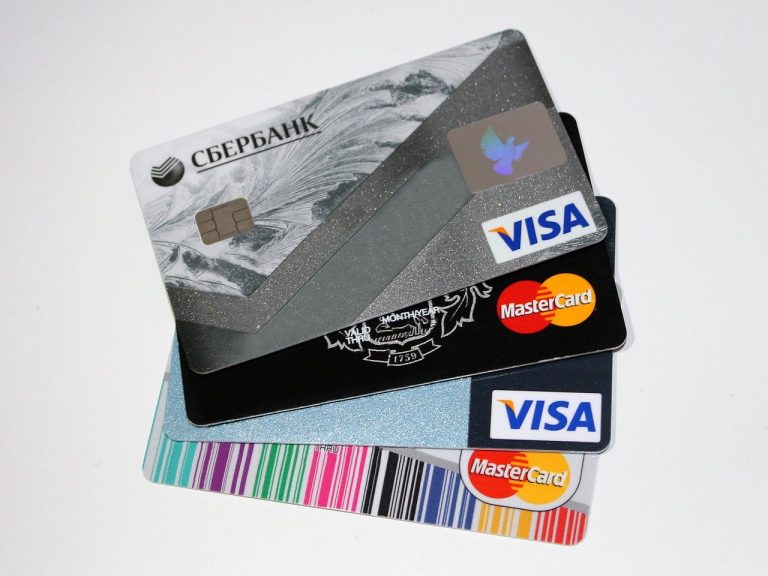
“How many credit cards should I have?” is a question that frequently comes to the minds of both current and prospective credit card owners. Many wonder if there is a magic number that works for everyone, but the answer often depends on individual financial habits and needs. It is a common concern when planning your personal finance strategy.
As with many things in life, taking a balanced approach is usually the best option in this case as well. Having only one credit card may not always be ideal, especially if you are eligible for more, while holding too many credit cards can be unmanageable and risky. Finding the right number ensures financial flexibility without overextending yourself.




1. Multiple Benefits with Different Credit Cards
Different credit cards come with varying benefits. As your eligibility improves, perhaps in line with your enhanced income levels and superior creditworthiness, you could partake in a reasonable number of credit cards, with each one offering its own set of benefits.
2. Managing Various Credit Card Payments
Multiple credit cards have their own unique billing cycles and payment due dates. To manage all that on your own is quite a challenge. Yes, there is the option to set up an AutoPay feature and let the due amount be debited directly from your bank account, but many credit card owners do not prefer this option.
After all, many are not in a position to pay up entirely or adequately in the first place! Therefore, being able to manage payments and billing cycles is an essential aspect to consider when evaluating how many credit cards to have.
Remember that if you do not pay your credit card bills on time, at least the minimum payment amount, your credit score and overall creditworthiness could be jeopardized. Therefore, when we talk about how many credit cards you can manage, it is also about being agile enough to ensure things don’t end up affecting your credit reputation.

3. The Temptation For Overuse and Growing Debt
Therefore, whenever you consider opting for too many credit cards, ask yourself, are you disciplined enough? Will you be tempted into using them all beyond your ability to repay?
4. Easy Acceptance and Usage
Not every credit card is accepted everywhere. If you look at cards such as Diners Club, for example, they are not easily accepted at a number of different places. Likewise, there are some places that do not accept American Express credit cards. Depending on your location, there could be similar instances of other credit cards not being accepted.
If you have just one such card that is not easily accepted at all places, you risk finding yourself in a position where you cannot use your credit card at all.
Having a backup credit card means that in case you have one that is not universally accepted, you still have a source of funds.
Conclusion
There is really no magic number of credit cards that is ideal for one and all. At the same time, given all the experience that we have had and indeed all the observations that we have made, two to three credit cards in most instances are more than adequate. Beyond that is really stretching things too far.
When you are first starting out using credit, it is strongly recommended to start out with just ONE credit card, learn the ropes of disciplined credit card usage, and only then consider getting additional credit cards.
Disclaimer: All credit products carry risk. Be aware of these risks by reading the associated terms and conditions.