Credit card scams are becoming increasingly sophisticated, putting your personal and financial information at risk. Learning to identify potential threats and take preventative measures is crucial to protect yourself. This guide explains how to avoid getting scammed with credit card information, outlining practical tips and strategies.
Understanding Credit Card Scams
Credit card scams involve unauthorized access to your credit card information to commit fraud. This can lead to unauthorized purchases, identity theft, and significant financial loss.

Common Types of Credit Card Scams
-
Phishing Scams: Fraudsters send emails or messages pretending to be your bank, asking for account details.
-
Skimming Devices: Small devices installed on ATMs or card readers capture card information.
-
Online Shopping Scams: Fake websites designed to steal card details during checkout.
-
Account Takeover: Criminals gain access to your account to make fraudulent purchases.
Recognizing these scams helps you stay vigilant and protect your finances.
Socialize Safely Online
Use caution when sharing information about yourself online, including where you are working, where you are hanging out, and what is happening to you and your friends. Update your privacy settings to restrict access to only people you know.
Don’t click email links from anyone, even people you know, that look like your bank, credit card service, or other business that uses your personal details, even if the email looks right.
These links are mostly phishing scams, and the scammers want to trick you into entering their fake website login information.
Shred Everything That Displays Your Credit Card Number
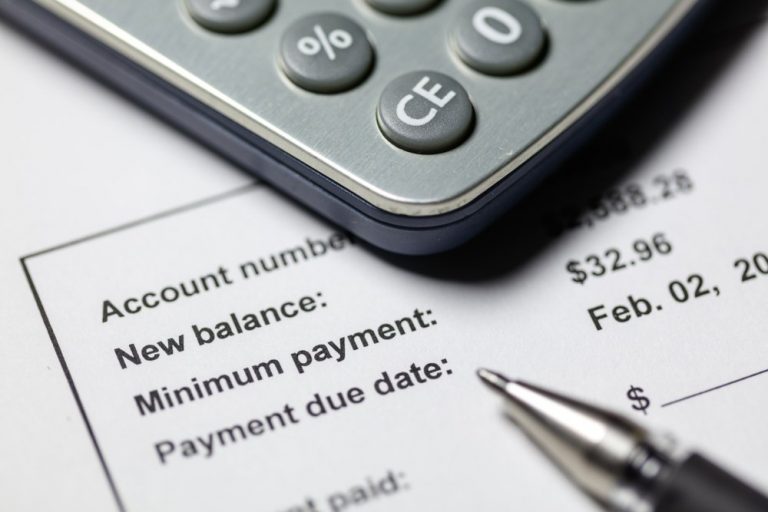
Do not throw your credit card billing statements into the trash whole as they usually have your full credit card number printed on it. Instead, shred these documents to ensure that dumpster divers will not get their hands on your credit card number.
The same applies to old credit cards that have expired or have been canceled — make sure you shred them. You can even go a step further and put the shredded bits into various trash bags and not all into one.
Report Lost or Stolen Credit Cards As Soon As Possible
Credit is more than just a plastic card, it is your financial future. The sooner you report a missing credit card, the faster your credit card issuer will cancel your credit card and help you avoid fraudulent fees.
Reporting your missing or stolen credit card as soon as possible decreases the risk that you will have to pay for any fraudulent credit card charges. Write down the customer service number of your credit card companies and keep them in an easily reachable place if your credit card is ever missing.
Sign 1: Suspicious Emails and Messages
One of the most common ways scammers attempt to steal credit card information is through phishing emails and messages.
How to Identify Phishing Attempts
Check the sender’s email address carefully. Legitimate banks will not ask for your full card number, PIN, or password through email or text. Look for spelling errors, unusual formatting, and urgent language designed to pressure you into acting quickly.
Recommended Actions
Do not click on links or download attachments from suspicious emails. Verify messages by contacting your bank directly using official contact information. Reporting phishing attempts helps prevent further scams.
Sign 2: Compromised ATMs and Point-of-Sale Devices
Skimming devices are often installed at ATMs or point-of-sale terminals to steal card data.
How to Spot Skimming Devices
Check for anything unusual on card slots, PIN pads, or nearby attachments. Loose parts or irregular shapes can indicate a device designed to capture your information. Cover your PIN when typing to prevent hidden cameras from recording it.
Recommended Actions
Use ATMs and point-of-sale machines in trusted locations, such as bank branches or reputable stores. Report suspicious devices to the bank or store immediately to prevent others from falling victim.
Sign 3: Unsecure Online Transactions
Many scams occur through unsecured websites where credit card information can be intercepted.
How to Identify Secure Websites
Check for HTTPS in the website URL and a padlock symbol in the address bar. Avoid sites with unusual URLs, pop-up payment pages, or missing security certificates. Never enter card information on public Wi-Fi networks or shared devices.
Recommended Actions
Use trusted online retailers and payment processors. Enable two-factor authentication for online banking and shopping accounts. Regularly monitor statements for unusual transactions to detect fraud early.
Additional Tips to Protect Credit Card Information
Preventative measures are crucial for reducing your risk of being scammed.
Monitor Your Account Regularly
Check statements weekly and set up alerts for every transaction. Immediate notification of unusual activity helps you respond quickly.
Use Strong Passwords and Security Measures
Enable multi-factor authentication and use unique, complex passwords for all financial accounts. Change passwords regularly and avoid using the same password across multiple platforms.
Avoid Sharing Card Information
Never share your card details through phone calls, emails, or text messages unless you are certain of the recipient’s identity. Fraudsters often impersonate legitimate organizations to extract sensitive information.
Be Wary of Offers That Seem Too Good to Be True
Scammers often lure victims with unrealistic deals or discounts. Verify any offers through official channels before providing payment information.
Protect Your Physical Card
Keep your credit card in a secure location and avoid lending it to others. Report lost or stolen cards immediately to limit potential unauthorized use.
What to Do If You Suspect a Scam
Quick action can minimize damage and protect your credit.
Contact Your Bank Immediately
Report any suspicious activity or potential fraud. Request that the compromised card be canceled and replaced. Many banks offer zero-liability protection for fraudulent transactions.
File a Fraud Report
Document all suspicious activity and communicate with your bank in writing. File reports with consumer protection agencies or local authorities if necessary.
Monitor Your Credit
Check your credit report regularly for unusual activity. Consider placing a fraud alert or credit freeze to prevent additional unauthorized accounts from being opened.
Common Mistakes to Avoid
Being aware of common errors reduces the risk of becoming a scam victim.
Ignoring Warning Signs
Even minor suspicious activity can indicate a larger fraud attempt. Investigate every potential threat promptly.
Using Public Wi-Fi for Transactions
Avoid entering sensitive card information on public networks. Use secure connections or mobile data for banking and online shopping.
Overlooking Account Alerts
Set up notifications for each transaction and review alerts immediately. Ignoring these warnings can delay response and increase financial loss.
Conclusion
Credit card scams are prevalent and increasingly sophisticated, but understanding the warning signs and taking proactive measures can protect your financial information. Be vigilant against phishing emails, compromised ATMs, and unsecured online transactions. Monitor your accounts regularly, use strong security practices, and report suspicious activity promptly. By staying informed and cautious, you can minimize your risk and maintain financial security.