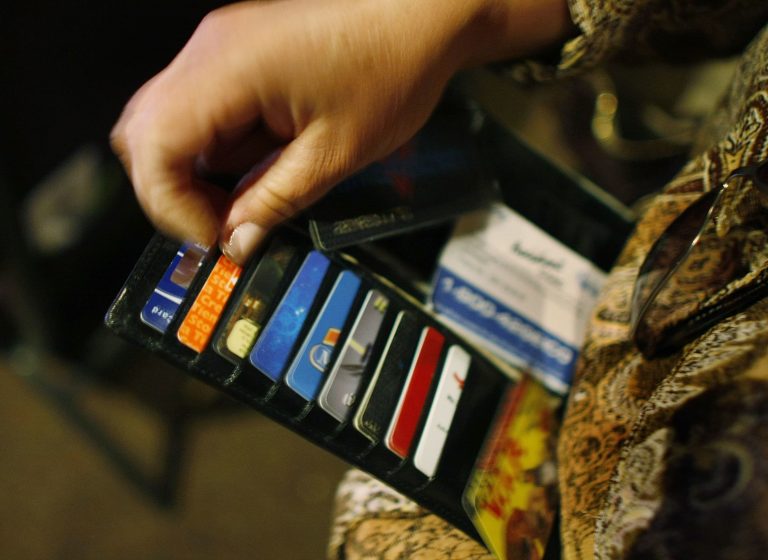
Paying off your credit card is never a walk in the park and is far more challenging than simply accumulating debt. It demands careful planning, consistent effort, and disciplined financial management. Ignoring it can lead to higher interest charges and long-term financial strain. Whether we like it or not, addressing credit card debt head-on is a necessary step for financial stability.
Being able to pay off your credit card requires taking a hard look at your finances and budgeting habits. Sometimes, it may even call for some serious lifestyle changes. Everybody loves a good shopping spree, but perhaps that should wait until after our credit card debt is appropriately addressed.

How to Cancel a Credit Card When Fraud Is Suspected
→
Fortunately, there are some practical and straightforward Steps For Reducing Credit Card Debt that can help you clear or significantly lower your balances over time. In this article, we will guide you through strategies to get started on the right path. By following these methods, you can gradually regain control of your finances and work toward long-term financial stability.
→
Credit Card Inactivity: 4 Critical Aspects You Never Considered
→Paying off your debt doesn’t have to feel like a nightmare, even if it seems overwhelming. With dedication, a clear plan, and consistent discipline, achieving a debt-free life is possible. Taking control of your finances allows you to reduce stress and improve financial health. Continue reading to discover simple ways to pay off your credit card effectively.

How Much Can You Afford To Pay?
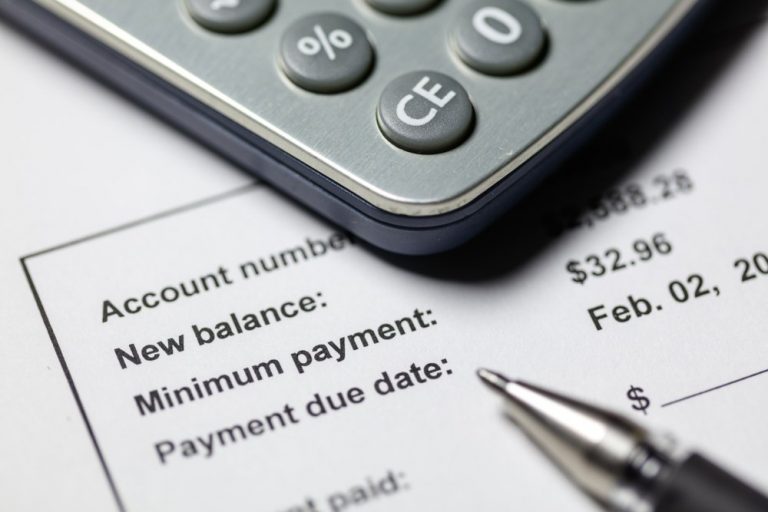
The first step is to determine how much you can afford to pay each month toward your credit card. Begin by reviewing your monthly budget in detail to understand your income and expenses. If you don’t already have a budget, create one to clearly see how much you can realistically allocate to credit card debt. This helps ensure consistent payments and better financial management over time.
After deducting all your expenses, go ahead and subtract your expenses from your income. What you get after paying all the expenses is your net income. This is what you can pay for your credit card debt. However, you can also find more ways of generating money to clear your debt. It can be as simple as getting a side job, working more hours, and so on.
Pay The Highest Interest Rate First
A high-interest rate card, in most cases, usually has the highest balance, and clearing this first will save lots of money in the long run. By not paying this early, you will end up paying more interest overall. Paying off your lowest balance first will keep you motivated and on the right track.
Lowest Balance
Granted, it is challenging to choose between the two, and to make it easier, first consider your long term goals. What is it you want to accomplish? If your goal is to save, then paying your high-interest rate first is a smart move to make. On the other hand, if your goal is to clear some accounts, then you should pay your low balance debt first.
Note down the order in which you are going to pay your debt. It can be either from the lowest balance to highest balance or from highest interest rate to lowest interest rate. Highlight every area and allocate the money that will pay that area accordingly. This will help you get organized in your payments.

Bottom Line
If you think you will forget, set reminders to help you not miss any payments. In addition, a repayment online calculator can help you come up with a plan to quickly clear your credit card debt. Once you set up a good payment schedule and stick to it, your debts will be paid off in no time!