As is common in today’s world, almost everyone carries some form of debt, whether it’s a loan, mortgage, or credit card balance. Yet, many people use this widespread reality as an excuse to avoid properly addressing their own financial obligations. Ignoring debt, however, is never a wise choice, as it can quickly grow and create significant financial stress if left unmanaged.
It is crucial to work toward clearing your debts as soon as possible, and the first type of debt you should focus on is any credit card debt that has been accumulating. Credit cards often come with high-interest rates that can compound rapidly, making it essential to tackle this debt first. Prioritizing credit card balances allows you to save money on interest payments and regain better control over your overall financial situation.


Fortunately, there are some practical and straightforward steps you can take to clear off your credit card debt or at least drastically reduce it over time. In this article, we will guide you through strategies to get started on the right path. To fully understand and implement the steps that can help you regain financial stability, continue reading below.

Pay Off High-Interest Debt First
One key aspect of credit card debt is that it usually comes with a high-interest rate, which can accumulate quickly if ignored. Focusing on paying off the interest first helps reduce the overall debt more effectively. This approach slows debt growth and frees up money to tackle the principal balance faster.
If you have multiple cards like most people in America today, then you should start by paying towards the one with the highest interest rate. However, this doesn’t mean that the other should be forgotten. As you finish off the balance on the high-interest card, ensure you’re also clearing the others as well.
Stop Using Your Credit Cards
Probably the easiest way to reduce your credit card debt is by not using them at all. When you’re reducing your credit card debt, just stop using them and opt to use cash instead. You’ll also discover that you’re likely to spend less when you pay with cash than when you use your cards.
Set a Budget
One major factor that significantly increases your debt is not setting and consistently following a personal budget. Many people tend to go on impulsive spending sprees, relying on their credit card to cover almost every purchase. This kind of behavior can quickly snowball, leading to mounting debt, financial stress, and a struggle to manage monthly expenses effectively.
By carefully creating and strictly sticking to a well-planned budget, you can limit unnecessary credit card use and gain better control over your overall spending habits. This approach helps prevent your debt from growing further and keeps your finances organized and manageable. The extra money you save each month can then be applied directly toward paying off your existing debt, gradually reducing financial burdens over time.
Be Organized
To get organized, you will need to take how many cards you have into account. Take a look at each one of them and note how much you owe on each card. Then, you can start figuring out how you can start paying each one. You can also determine in what order you should pay them.
Make Two Minimum Payments Each Month
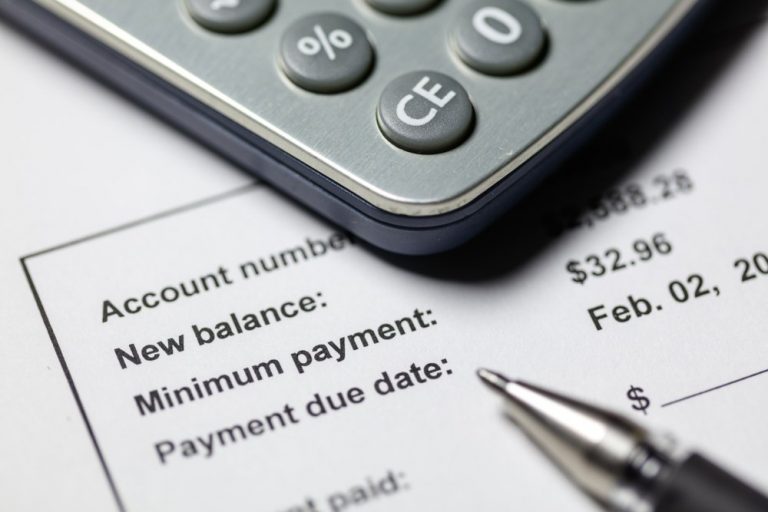
Make a commitment to making two minimum payments each month. Most people tend to take the once-a-month route, but that has been designed by the issuer to make a profit from the interest you’ll incur. Therefore, you should pay more than you are required to each month. As a bonus, when you pay off your debt faster, it helps your credit score improve in the long run.
Conclusion
One of the ways to ensure that you live debt-free is by starting to clear away credit card debt. These were just some of the few steps that you can use to reduce your debt. However, once you clear your debt, it is also important to avoid getting into debt again.