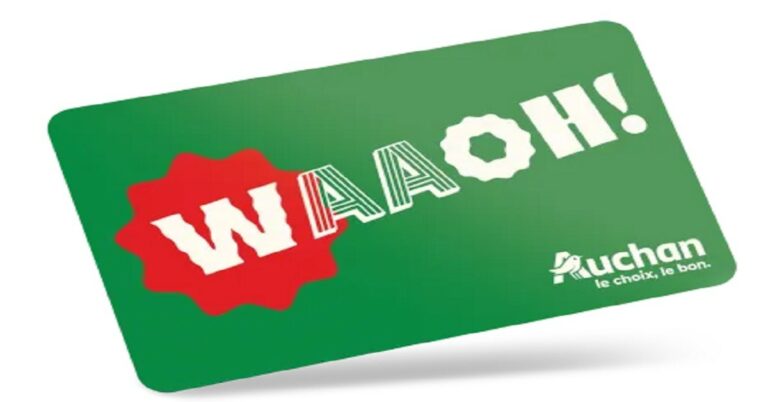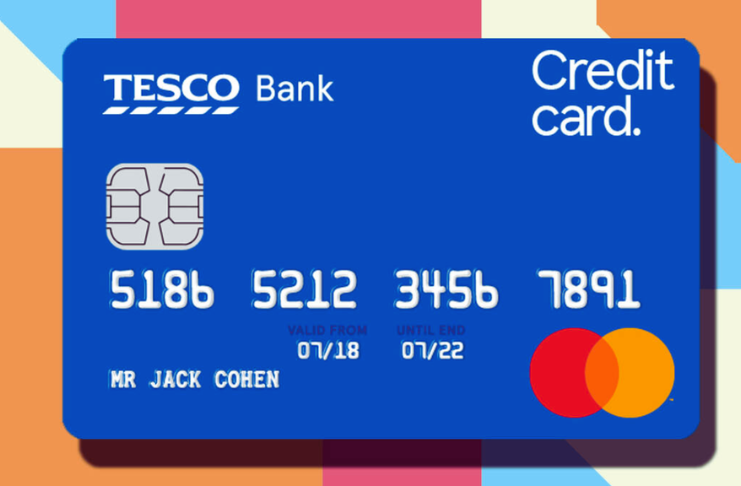


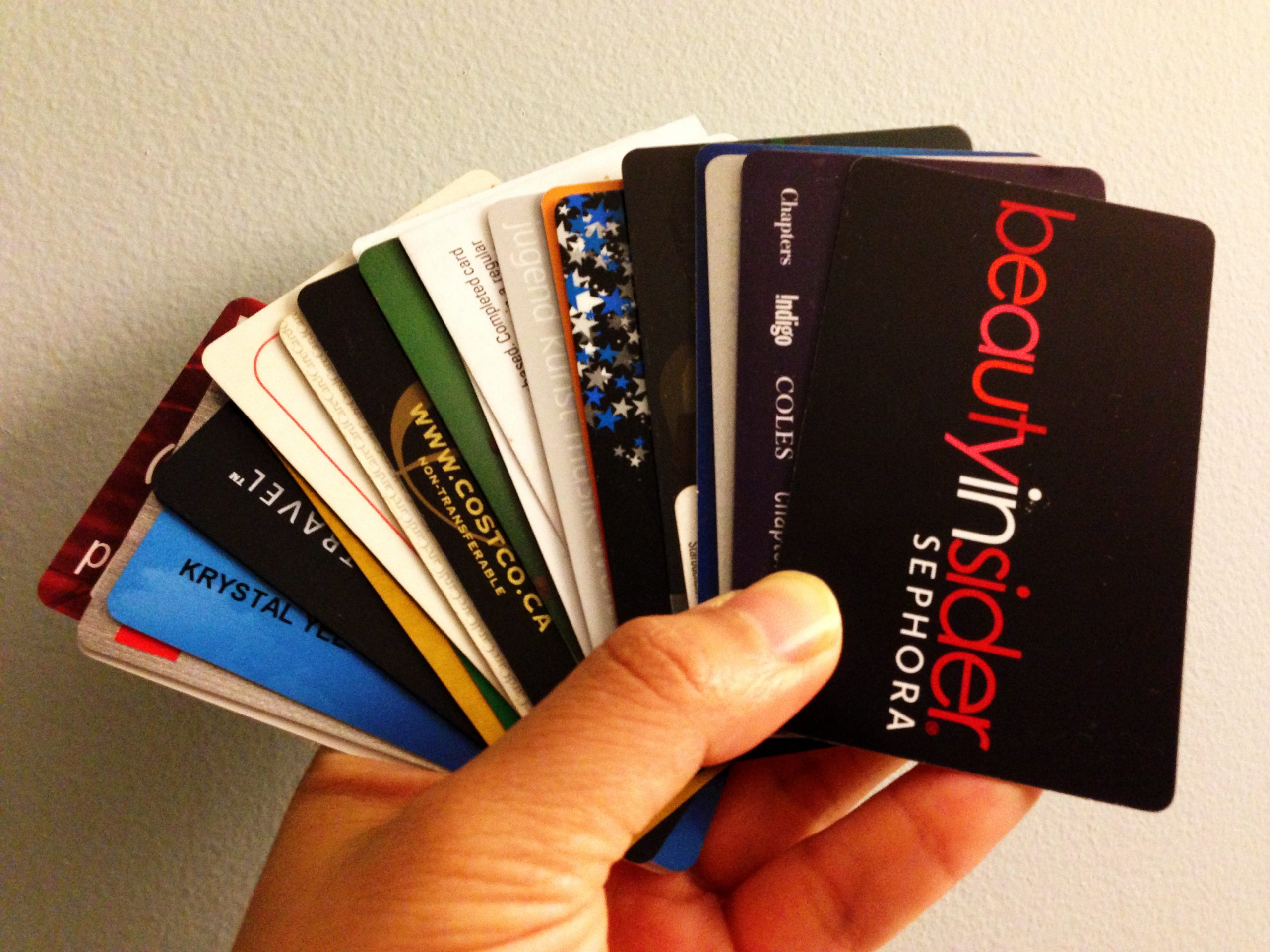
1. Store Credit Cards Are Exclusive to Issuing Stores
2. Relatively Easy to Obtain
A big advantage of store credit cards is the fact that they are relatively easy to obtain. For instance, stores take a far more lenient stance on credit scores when issuing these cards. Therefore, even if you have a rather poor credit score, your chances of being granted a store credit card are reasonably high.
An upside to this is the fact that you can use store credit cards to build credit. You can improve your credit score by paying your credit card bills on time and ideally in full, at the end of each billing cycle. As you continue doing so, your chances of being granted a “regular” credit card increase incrementally.
3. Low Credit Limit
A downside to the fact that these cards are issued easily is that they generally come with low credit limits. In many situations, these limits might only cover a single shopping trip at the store. This can restrict spending flexibility, requiring careful planning for larger purchases or multiple outings.
But again, it is important to consider that these cards are issued with minimal fuss, even to individuals with relatively poor credit scores. Retailers aim to minimize their risk, which they achieve by keeping initial credit limits low. This approach allows users to build credit responsibly while the issuer manages potential financial exposure.
As you consistently shop and pay off your credit card bills in a disciplined and timely manner, there is a good chance that your credit limit will be increased over time. This not only gives you more spending flexibility but also helps improve your overall credit utilization ratio, which can positively affect your credit score.
4. High APR
While this may not apply to every store card, many of these credit cards do come with a very high Annual Percentage Rate (APR) compared to the average credit card. You do need to take this into consideration before splurging on the store card given to you.
This is especially important if you are unsure of being able to repay back the full amount when it is due. If you max out the credit limit available on your store card and are then unable to repay in full, you will owe a lot in interest charges.
5. Possibility of No-Interest Financing Terms
Some stores offer special financing terms on the credit cards they issue, which include the possibility of no interest being charged for a specified duration.
For example, for the first six months of which you hold the card and make purchases of qualifying amounts, you may not be charged any interest, even if you do not pay the entire outstanding amount each billing cycle. As long as minimum amounts are being paid, you could possibly not be charged any interest at all.
It’s important to note that stores can and do offer special financing terms on the credit cards they issue. However, this is not guaranteed with every store card, so you must check with the issuing store for any special financing terms.
Conclusion
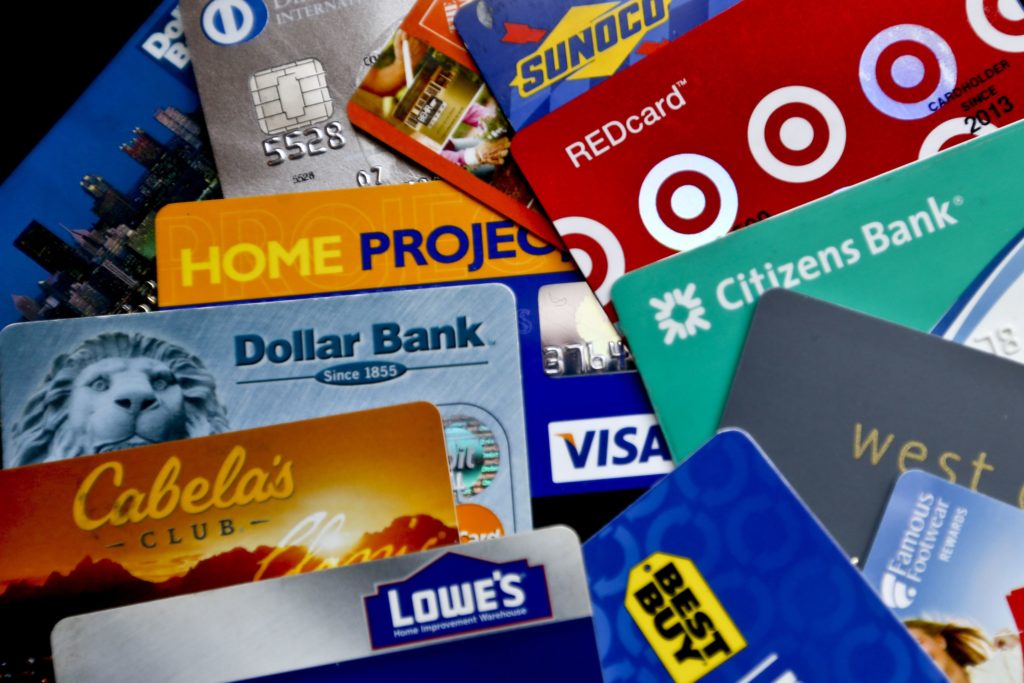
Clearly, store credit cards have their pros and cons. You need to evaluate your benefits based on your own unique situation and decide if it is a better option than a traditional credit card. If you open one of these card accounts, it is important that you know how to use it to your best advantage.