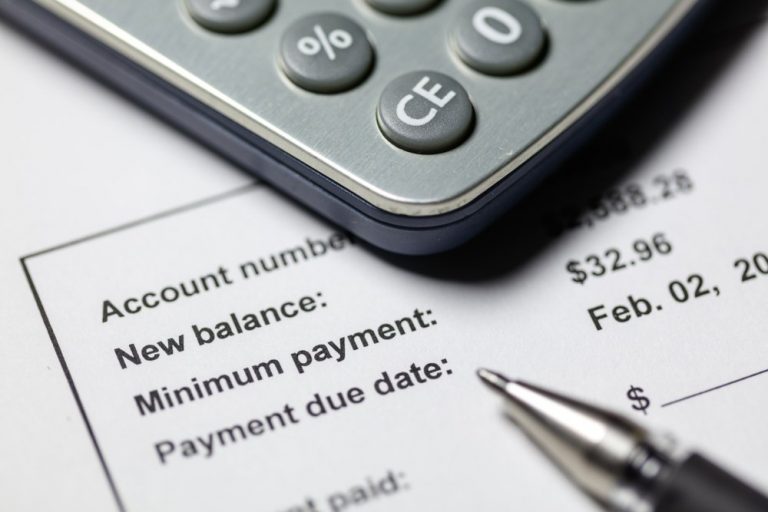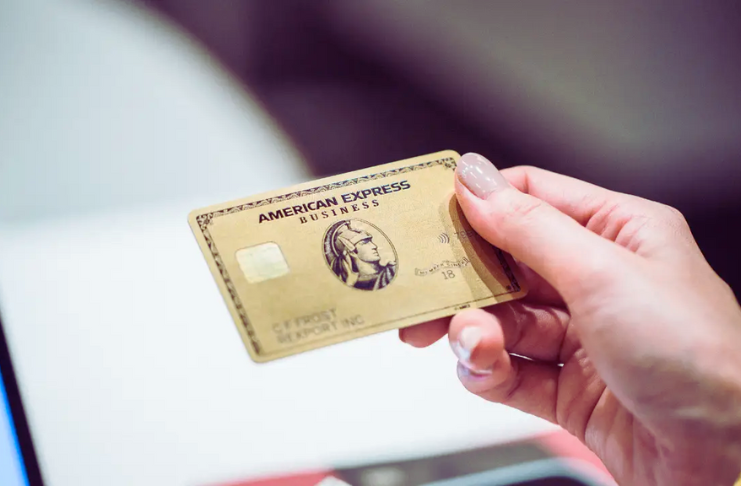
Many people are struggling with credit card debt, so paying yours off would be a significant accomplishment. This might take months and even years to accomplish. Once you have paid it off, it’s up to you to decide what to do with the money and available credit you now have.
The process of paying off a credit card is a long and grueling one for many people. So, when the balance finally hits zero, you may feel like celebrating. However, while paying off your card is a means for celebration, be wary of treating yourself too much. After all, that may be what got you into the position of having a high credit card balance in the first place.


Now that you no longer have to make monthly payments on your credit card balance, you can use that money more strategically. This extra cash can be directed toward savings, investments, or other financial goals. By planning carefully, you can maximize the benefit of these funds. Here are some practical ways to use that money each month.
Pay Off Another Credit Card
If you have several credit card balances, it can be quite hard to pay all of them at once. It is, therefore, prudent to first pay one and then use the same money to pay the second, and so on. Also, you can make a huge lump sum payment to your balance each month, which is more effective compared to spreading payments across your debts.
Pay Off Your Mortgage
If you have a mortgage you are paying for, you can speed up the process by diverting some money towards that cause. Furthermore, paying your mortgage on time saves you from incurring interest fees and makes you a homeowner sooner than usual. Also, before you make any payments, check the fine print and see if you will incur any charges if you pay your mortgage sooner than the agreed date.
Put the Money Into a Savings Account
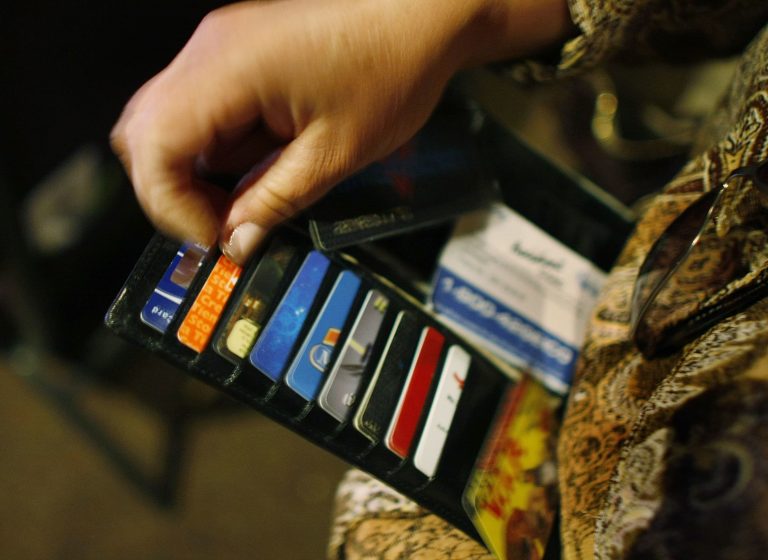
Decide What to Do With Your Credit Card
Unless you take the step to close your account, your credit card will remain active. Paying off a credit card differs from paying off a loan, as loans automatically close once fully repaid. With a credit card, the account stays open even after the balance reaches zero. This allows for continued access to credit, but also requires careful management.
You will need to decide whether you want to keep using the credit card and ensure that you can do so responsibly. Maintaining your account in good standing is essential, regardless of your choice. Timely payments and mindful usage help protect your credit score. Ultimately, responsible management ensures that the credit card remains a beneficial financial tool.
Bottom Line
If you thought your credit score would go up immediately after paying off your credit card, we might have to disappoint you. As you pay your debt and become consistent in payment, your credit score will improve steadily. To maintain this score, be sure to pay your debts responsibly.