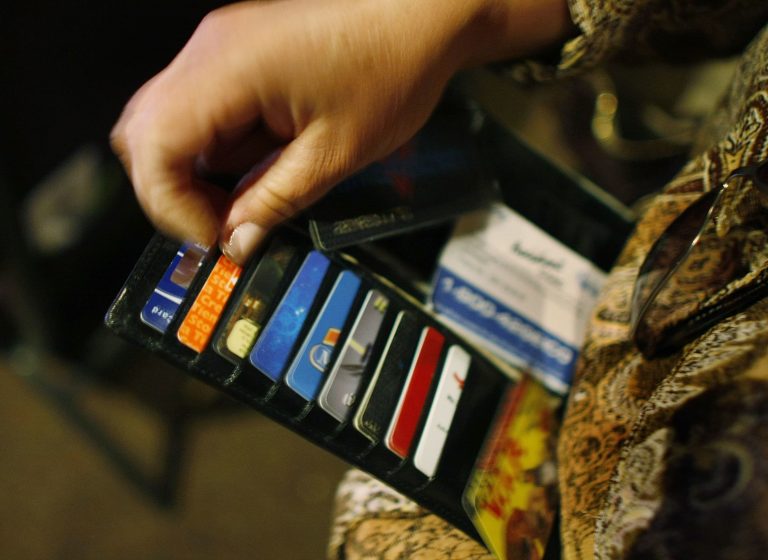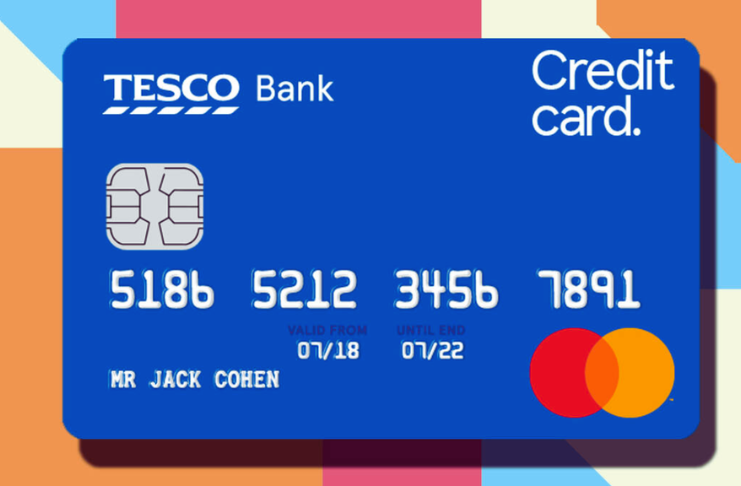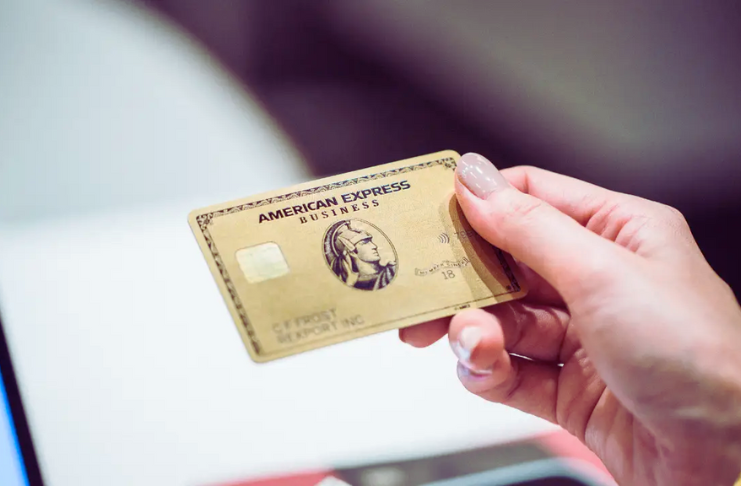
From decorations to gifts to flights, this is a time to spend, regardless of whether you have always been a careful spender or not. Moreover, having a stack of credit cards on you might force you to go overboard without even thinking twice. In this case, sticking to hard cash might be the best way out.

Here are several reasons why paying by cash, instead of using your credit cards during the holiday season, can help you save a lot. Using cash gives you a clear sense of your spending limits and helps prevent overspending. Read on to discover practical tips for managing your finances while still enjoying the festivities.

It Helps You Stick to Your Budget
Most financial advisors always emphasize having a budget when you go shopping. However, this is not always the case. Without a budget, you cannot follow through with a framework as you do your shopping. Having a budget helps you stick to a certain amount, hence saving you a lot of money.
Moreover, if you go shopping with credit cards, you can’t resist the urge to buy items on sale. On the other hand, if you are using cash, you will be forced to stick to your cash budget; this helps you plan accordingly and even save some extra money to use during the season.
You Will Be Able to Track Your Spending
You might argue that using a credit card helps you track your spending, as you can log into your account anytime and review all your transactions. It provides a convenient digital record of where your money goes. However, the real question is, how often do you actually check it and use it effectively?
Compare this with having hard cash in hand; it allows you to physically track your spending and helps you better budget for specific days and expenses. Cash can create a tangible sense of control over your finances. For example, consider withdrawing a lump sum during the holiday season for all your purchases; you’ll likely appreciate the discipline it brings.
You Are Likely to Not Get Into Debt
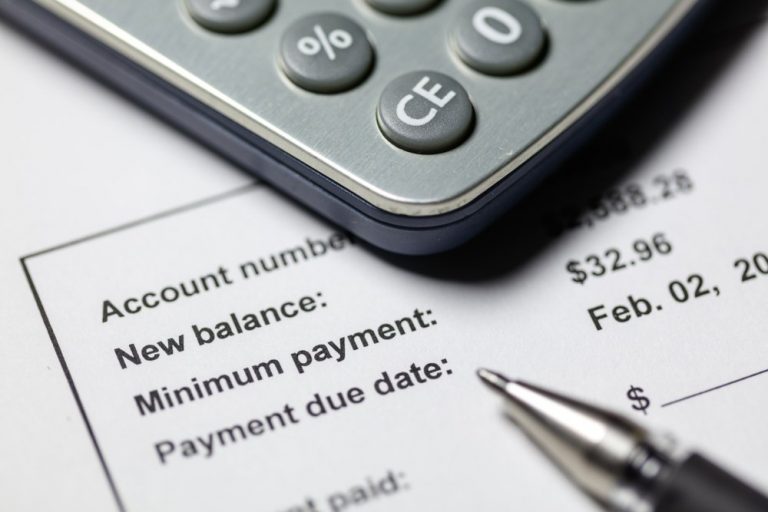
Using a credit card essentially means “borrowing money” that you are obligated to pay back later, often with interest if not settled in full. If you fail to pay the entire balance on time, interest charges can accumulate rapidly, significantly increasing your overall costs. Over time, carrying a balance can impact your financial stability and credit score, making responsible usage absolutely essential.
Racking up debt can harm your credit score, especially if your credit utilization gets too high, signaling potential overextension to lenders. This can make it harder to get loans or credit in the future and may lead to higher interest rates. Using cash or a debit card is a safer option to avoid debt and maintain financial control.
Bottom Line
Check yourself. Are you an impulse shopper? If yes, then consider leaving your cards behind. But, if you are not, then go ahead and hit the stores with your credit cards.