Burger King offers diverse job opportunities, from entry-level roles to management positions, scattered across its extensive global network. Knowing how to apply and matching your skills with the right role makes a difference. This guide walks you through the types of jobs available, application steps, and what employers look for.
Why Consider Working at Burger King
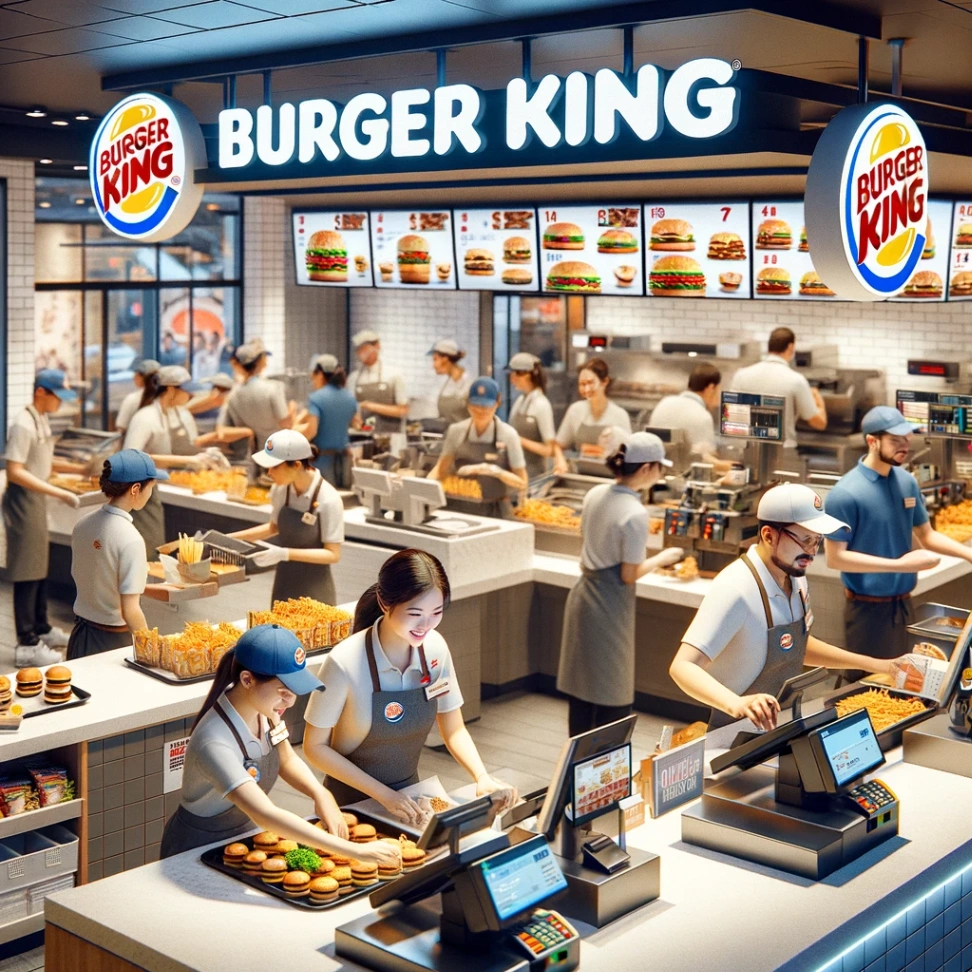
Working at Burger King can offer invaluable experience in the fast-food industry, which continues to grow and innovate. It provides structured training and development programs, helping employees gain marketable skills in operations, teamwork, and customer service.
The company’s global footprint also opens paths to international job opportunities. Even at the local level, employees benefit from competitive pay, bonuses, and casual perks like meal discounts and savings plans.



Common Misconceptions About Fast-Food Jobs
Many believe fast-food roles lack stability or growth potential, assuming they’re only suited for inexperienced youths.
Others worry about low pay or lack thereof career progression. But working at Burger King delivers skill-building opportunities and access to structured career paths—but perceptions only matter if you look beyond them.
Available Positions & Their Requirements
Open roles include Team Member, Cashier, Cook, Shift Supervisor, and Restaurant Manager. Each position has unique expectations:
-
Team Members serve customers, take orders, and prepare food—requiring communication, positivity, and teamwork.
-
Cashiers handle transactions and customer satisfaction—requiring math skills and attentiveness.
-
Cooks must prepare food under fast-paced standards, needing basic culinary ability and reliability.
-
Supervisors need leadership experience, problem-solving skills, and operational understanding.
-
Managers oversee staffing, finances, and operations—requiring proven leadership in fast-food settings.
How to Apply for Burger King Jobs
Start by visiting the official careers portal and filtering openings based on category, location, and your preferences.
Once you find a role, complete your profile by entering personal details, uploading necessary documents, and answering assessment questions. Submit your application and wait for the selection process to begin.
What Happens After Applying
Recruiters review the application to assess fit. Selected candidates receive invite for an interview—either virtual or in-store. Successful candidates proceed to training and onboarding, setting them up for their first shifts.
What Makes a Strong Resume for Burger King
Highlight relevant experience in customer service, teamwork, and adaptability—especially under pressure.
Leadership experience is a plus for supervisory roles. If you have food safety certifications or recognitions in prior jobs, mention them clearly to enhance your candidacy.
Pros and Cons of Working at Burger King
Benefits include flexible schedules for students or part-time workers, clear paths to promotion, a dynamic work environment, meal discounts, and skill development in teamwork and communication.
On the flip side, pay may start at minimum wage, hours can be irregular, the work is physically demanding, carries the risk of injuries, and involves stressful pace during busy hours.
Conclusion
Burger King presents viable job opportunities for those seeking entry into the fast-food industry or exploring management paths. With a transparent application process, structured training, and potential for growth, it offers a logical starting point or stepping stone. Weigh the pros and cons carefully—if the fast-paced environment and flexible structure fit your needs, applying may be your next smart move.