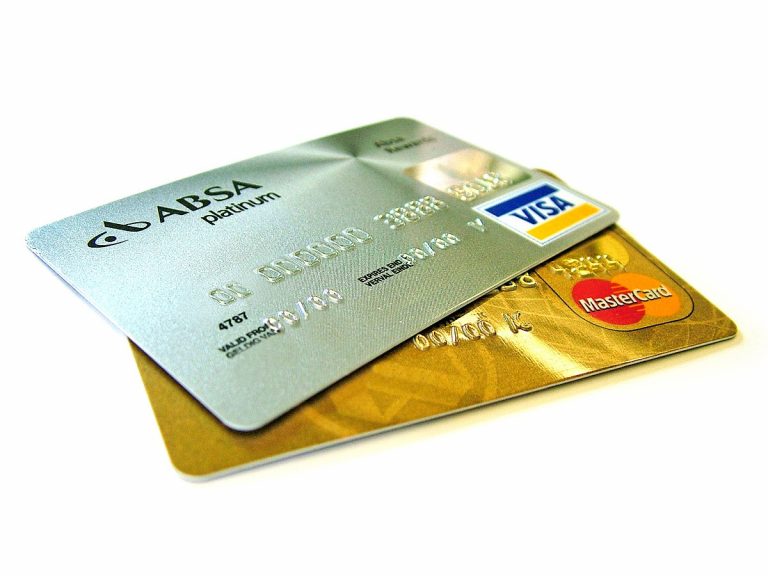
Credit cards come with a number of fees for the range of transactions that you can do with the card. For example, cash advance fees can be costly and are important to pay attention to if you want to maintain your financial health when using your card.
Cash advance fees are applied when you withdraw cash from the credit card. Most credit cards support cash advances, but they can come with high fees and high interest rates.


This guide outlines what a cash advance fee is, how it is charged, and why it matters to review the terms before using the feature.
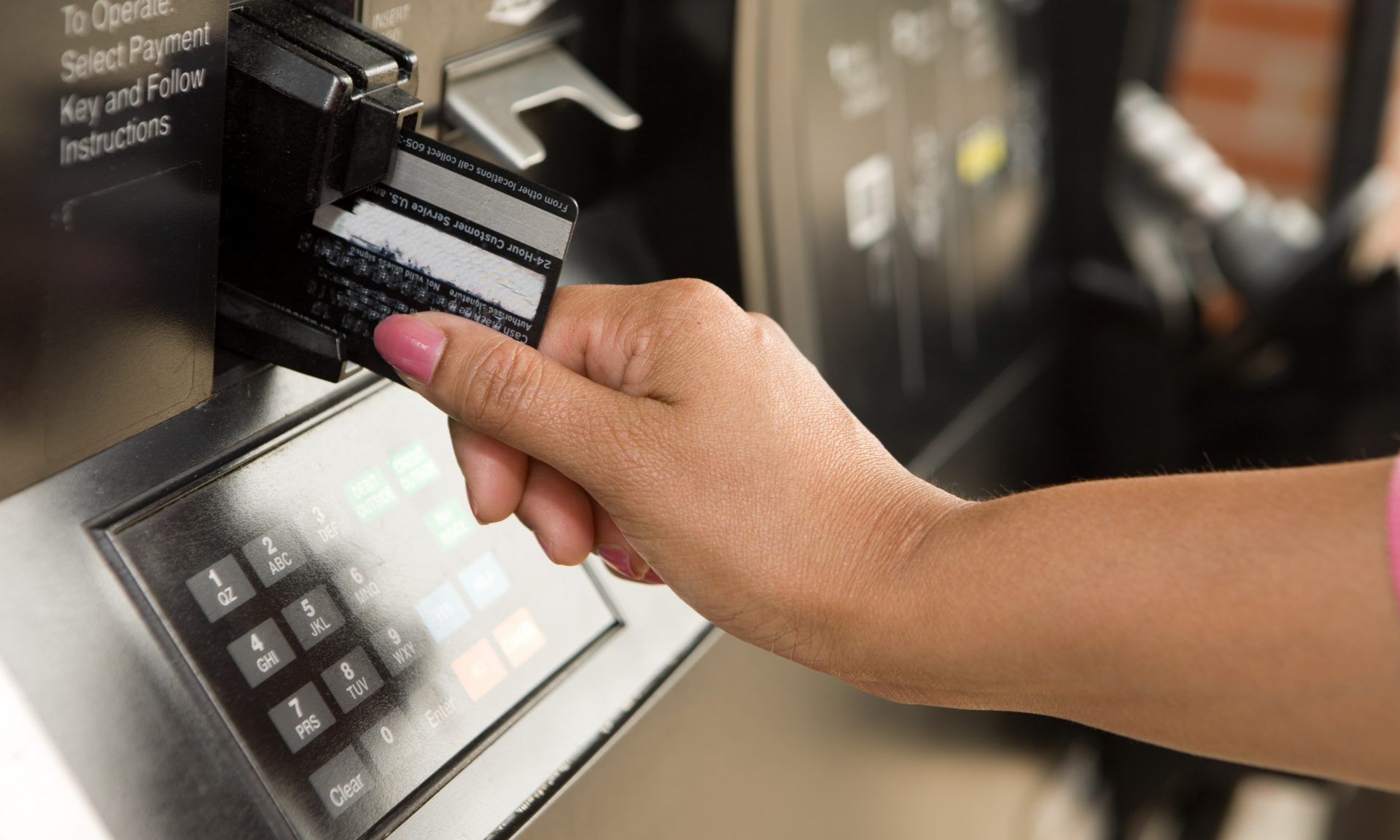
What Is a Cash Advance?
A cash advance is a cash withdrawal from your credit card. A cash advance can also be a loan that you take from a bank or another type of lender. In most cases, these loans are associated with huge interest rates and fees.
Cash advances can seem attractive because approval is fast and access is immediate. Several types exist, and the sections below outline the most common versions you may encounter.
Cash Advance Fees
Cash advance fees are a one-time amount that you have to part with in order to get that cash advance. They are usually a percentage of the amount withdrawn. For example, many cards charge a fee of 3% to 5% of the amount.
Some issuers charge a flat dollar fee, such as $5, instead of a percentage. The amount you pay is typically the greater of the flat fee or the stated percentage of the withdrawal.
Types of Cash Advances
Credit Card Cash Advance
One common type is the credit card cash advance, where cash is taken from the card rather than making a purchase. The transaction draws against your available credit and is treated differently in pricing than everyday spending.
This withdrawal can be made through an ATM or other means depending on your credit card issuer. These sorts of transactions tend to carry quite high fees when compared to making purchases through the card.
No grace period applies to cash advances, so interest begins accruing immediately after the withdrawal and continues until the balance is repaid.
Payday Loans
Payday loans also fall under cash advances because the borrower receives an advance against an upcoming paycheck on the stated payday.
The issuer in this case doesn’t take your credit into consideration and only looks at your pay. Payday loans come with extremely high fees and they have to be paid on the borrowers next payday. But, you can choose to extend the days for a higher interest rate.
Most of the lenders have you sign an agreement that allows them to electronically receive their money as soon as you are paid. You’ll need to read the agreement carefully before you sign up. You also have to give personal and income info for you to get the loan.
Merchant Cash Advances
Quick, small loans from any institution, be it a bank or any merchant, is more or less a cash advance. For example, if you have a business that doesn’t have a credit or has less-than-perfect credit, you can use cash advances for operations.
When it comes to lenders and cash advances, you get your cash advance if the lender determines your creditworthiness. This is done through looking at how much money your business receives.

Conclusion
Most credit cards have a number of fees that they are associated with. Cash advance fees are important fees to watch out for if you choose to withdraw cash from credit accounts.