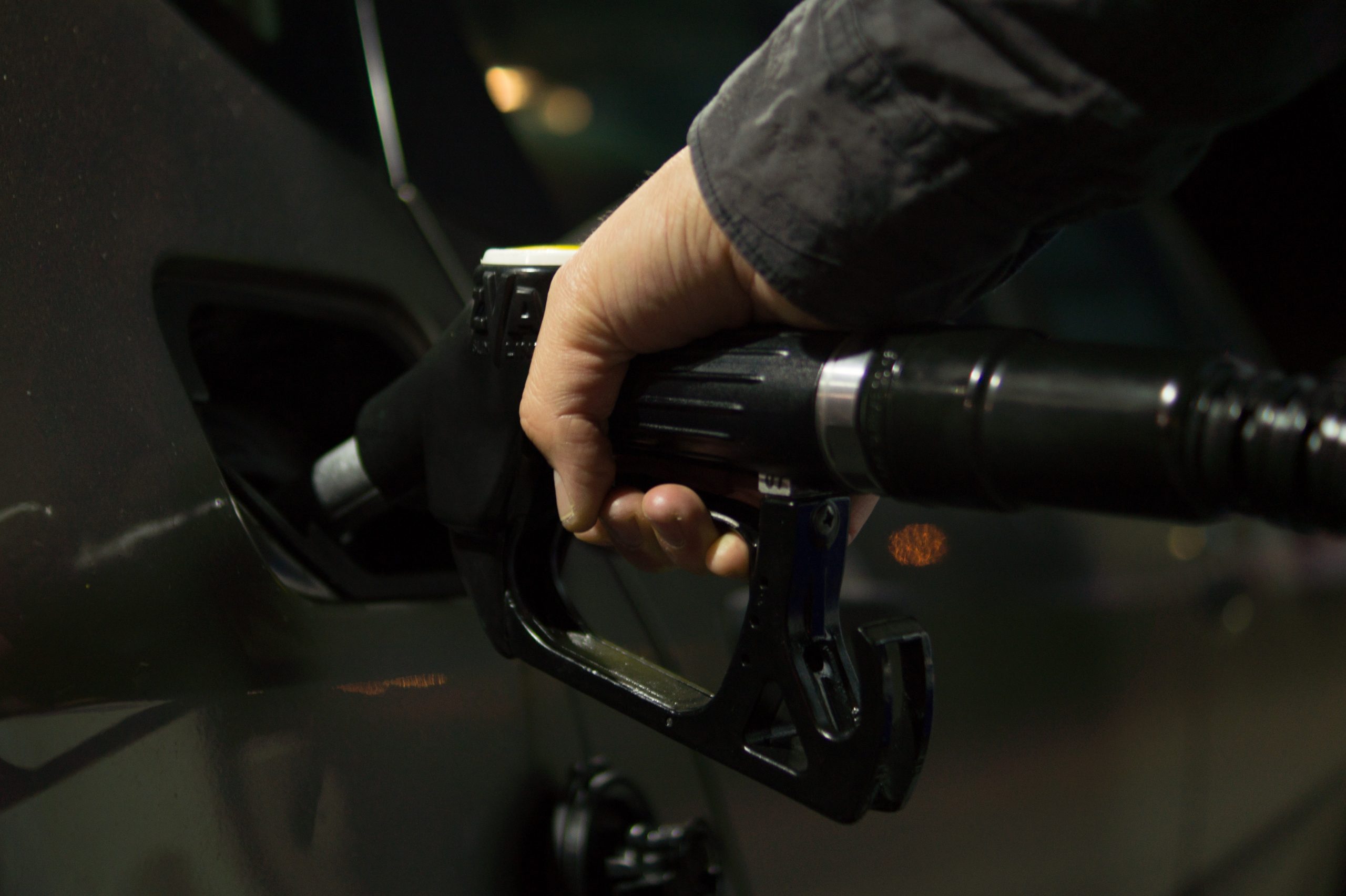
Fuel expenses can quickly add up, especially if you spend a lot of time on the road. Having a credit card with fuel perks allows you to save money on gas while also earning other rewards. However, with many options available, choosing the right one can feel overwhelming.
The key is to find a card that not only offers strong gas rewards but also provides benefits in other categories that align with your lifestyle. Below are some of the best fuel credit cards in 2020, along with details about their perks and requirements.



ExxonMobil™ Smart Card
The ExxonMobil Smart Card provides generous introductory savings for frequent drivers in the U.S. For the first two months, you can save up to 50 cents per gallon at Exxon and Mobil stations, provided you activate through their rewards app. If you prefer not to use the app, the savings amount to 12 cents per gallon during the same period.
After the initial two months, the ongoing benefit includes six cents off per gallon at these stations. This makes it a practical choice for commuters who consistently buy fuel from Exxon or Mobil. Importantly, this card charges no annual fee, keeping the focus on direct savings at the pump.
Why Choose ExxonMobil Smart Card
This option suits drivers who fuel up primarily at Exxon or Mobil. While its rewards are limited to these networks, the consistent discounts and no annual fee ensure ongoing value. For loyal customers, it’s one of the simplest ways to save money on gas purchases.
Costco Anywhere Visa® Card by Citi
Backed by Citi, this card doubles as a fuel saver and a versatile cashback tool. Members earn strong rewards on gas purchases alongside 3% cashback at restaurants and eligible travel, 2% cashback at Costco, and 1% on all other purchases. According to reports, Costco frequently offers some of the lowest fuel prices in the country, which compounds the benefit.
The card itself has no annual fee, though Costco membership is required, costing around $60 per year. For shoppers who already frequent Costco for groceries or bulk purchases, this combination of discounts and rewards can significantly boost long-term value.
Balancing Membership with Rewards
While the membership requirement adds a fixed cost, it is easily offset for those who shop at Costco regularly. The savings on both fuel and household purchases quickly outweigh the membership fee, making this card one of the most balanced options.

Sam’s Club® MasterCard®
Sam’s Club MasterCard earns up to 5% cashback on fuel purchases, capped at $6,000 annually, across most U.S. gas stations. Beyond that limit, users still receive 1% cashback. This allows for flexibility, as you are not limited to Sam’s Club pumps.
Like Costco’s card, this one also requires membership, with an annual fee of $45. However, the lack of a separate card fee and the high fuel cashback rate make it appealing for families and professionals with significant commuting expenses.
Advantages of Sam’s Club Card
With broader acceptance at U.S. gas stations, this card provides more freedom than cards tied to a single brand. If you often purchase fuel outside of membership warehouse stations, this flexibility ensures that rewards still apply.
Citi Premier℠ Card
The Citi Premier Card appeals to commuters with its comprehensive travel and transit coverage. It provides three points per dollar spent on fuel, tolls, and parking, as well as for rideshare services, flights, ferries, and taxis. This wide net ensures consistent earning opportunities for nearly all forms of transportation.
The card also offers a welcome bonus of 60,000 points after spending $4,000 within the first three months. While it carries a $95 annual fee, the versatile earning categories and large sign-up bonus can justify the cost for active users.
Maximizing Citi Premier Rewards
To fully leverage this card, integrate it into everyday commuting, from gas to rideshares. Redeeming points for travel often provides the highest value, ensuring that the rewards stretch beyond just fuel savings.
Hilton Honors American Express Surpass® Card
For those loyal to Hilton, this card merges travel and fuel perks effectively. It provides strong rewards at U.S. gas stations while also granting points for Hilton hotel purchases. These accumulated points can then be redeemed for free or discounted stays, making it highly valuable for frequent travelers.
The card does include a $95 annual fee, but the benefits often outweigh the cost for travelers who regularly stay at Hilton properties. Combining everyday fuel purchases with hotel stays accelerates reward accumulation.
Hotel and Fuel Rewards Synergy
The card’s strength lies in its dual focus: it enhances value for road travelers who also book Hilton hotels. This synergy ensures that both daily expenses and travel commitments contribute meaningfully to your rewards balance.
Factors to Consider Before Applying
Before selecting a fuel rewards card, examine your driving patterns and preferred gas stations. Cards tied to specific brands offer stronger discounts but limit flexibility. Conversely, warehouse or travel-oriented cards may spread rewards across categories, which can be more beneficial if you want broader utility.
It’s also essential to weigh annual fees, membership costs, and the fine print on limits or caps. A card that looks attractive for short-term bonuses may not align with your long-term habits, so calculating real-world savings is vital.
Conclusion
Fuel perks credit cards can be a powerful way to save on one of the most common daily expenses. Whether through direct discounts at branded stations, high cashback caps at general pumps, or flexible rewards linked to travel, there are options to suit different lifestyles.
By carefully comparing fees, rewards structures, and your own spending habits, you can select the best card that delivers meaningful fuel savings. With the right choice, everyday driving becomes more rewarding, both at the pump and beyond.
Disclaimer: All credit products carry risk. Be aware of these risks by reading the associated terms and conditions.