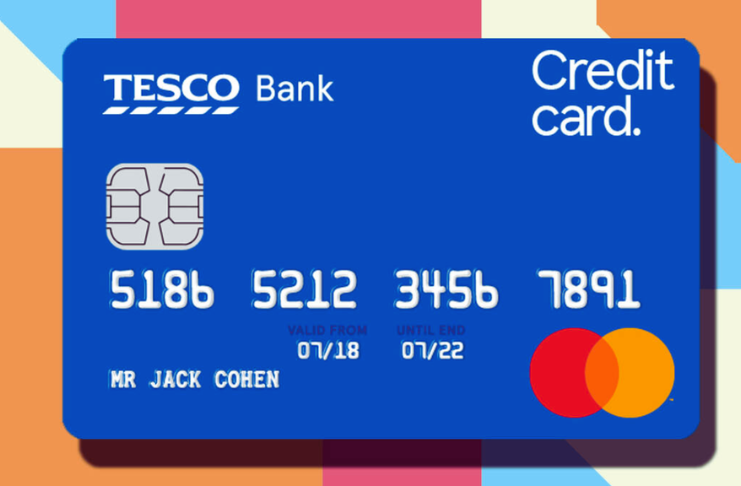
Credit cards are always useful, especially when you do not have cash on hand. Beyond convenience, they offer a range of benefits, including payment protection, cashback rewards, and other valuable offers that can make spending more advantageous. Being aware of these perks helps you maximize the value of your cards.
In terms of quantity, you can hold as many credit cards as your credit score permits. However, the key question is how many cards are truly manageable. While theoretically, you can have multiple cards, the ideal number depends on your ability to handle them responsibly without overextending yourself.




Signs You Have Too Many Credit Cards
If you have a hard time managing your credit cards, this likely means you have too many credit cards. If you are unable to track your payments, fees, charges, these are warning signs that you have more cards than you need. However, this is relative; there are people who have no problem managing more than five cards while for others this too much.
Is It A Good Idea To Get Another Credit Card?
- Will the new card add any benefits to you at all?
- Will you be able to pay for an additional credit card?
Your answers to these questions will guide your next steps regarding credit cards. They will help you decide whether obtaining another credit card is a wise choice or unnecessary. Carefully evaluating your financial situation is key before making this decision. Ultimately, your responses will shape your best course of action.
Which Credit Cards Should I Have?
You need to get a credit card that will serve you for an extended period. This will help you get a good score just in case you want to borrow credit in the future. Moreover, you also need a credit card that will offer you rewards and cash backs on your daily purchases. Ultimately, search for a card that offers rewards that are compatible with the way you spend.

Canceling Your Credit Cards
You might have several credit cards and wonder how to properly cancel them. Simply cutting the card into pieces does not cancel it, as it remains active until you contact your bank or card issuer to have it officially revoked. It is important to follow the correct procedure to avoid any unwanted charges or continued liability.
To cancel a credit card, you need to call your bank or card issuer and request that the card be closed. If there are any outstanding fees, you may have to transfer them to another card or pay them off before the cancellation can be completed. Doing this ensures your account is fully settled and prevents future complications.
In some cases, when a person decides to close their accounts, card issuers tend to give them a competitive deal, if you find yourself in this situation, consider closing an old account and retain the new accounts.
Usually, it takes about six months for your credit card account to be closed completely. However, this process might be longer or shorter, depending on the kind of card issuer you are dealing with.