Credit cards offer users significant convenience, especially when traveling abroad. It is reassuring to know you do not have to carry large amounts of cash in your pockets. However, using credit cards in foreign countries also comes with certain downsides that travelers should be aware of.
One major concern is the risk of overpaying due to additional charges that may be added to your bill. A little awareness on your part, however, can help you avoid unnecessary fees and ensure your spending stays under control. Being informed is key to managing expenses effectively.



To make the most of your credit card abroad, it is helpful to learn practical tips and tricks. Understanding the extra charges that can appear on your statement can prevent your holiday from becoming unexpectedly expensive. Read on to discover how to use your card wisely while traveling.

1. Check credit card receipts right after charges are made
2. Challenge unscrupulous or unwarranted charges
Besides reviewing your credit card receipts immediately after being charged, it is important not to hesitate in challenging any charges that are clearly unscrupulous or unwarranted. Taking prompt action helps prevent financial loss and protects your rights as a cardholder. Always keep evidence ready when disputing a charge.
In overseas credit card transactions, a common unwarranted charge added by merchants is the currency conversion fee. This fee appears when the transaction is made in a currency different from your credit card’s home currency. Often, it can be disputed if it seems unnecessary or excessive.
Another unnecessary charge is the foreign currency fee, which is separate from the currency conversion fee. This fee is applied simply because the transaction involves a foreign currency, regardless of actual conversion. Knowing about it helps reduce extra costs when traveling.
You do have the power to fight such charges. Contacting your bank promptly is the best way to do so. You can also challenge the merchant directly about such charges. Today, with online reputation being critical to hospitality establishments, even the mild threat of posting about such frivolous charges on sites like TripAdvisor or Yelp can ensure a prompt, favorable response from merchants.
3. Use the local currency
When using your credit card overseas, you can choose to pay in the local currency or your home currency. The choice affects how much you are ultimately charged. Paying in local currency often helps avoid extra fees and unfavorable exchange rates. Being aware of this can save you money while traveling.
Merchants tend to voluntarily offer customers the choice of being charged in either the local or home currency. A home currency charge will bring “dynamic currency conversion” into play, which is only likely to add to your charges. Therefore, it is advisable that you have overseas credit card charges made in local currency only.
4. Use an American Express credit card if you have one
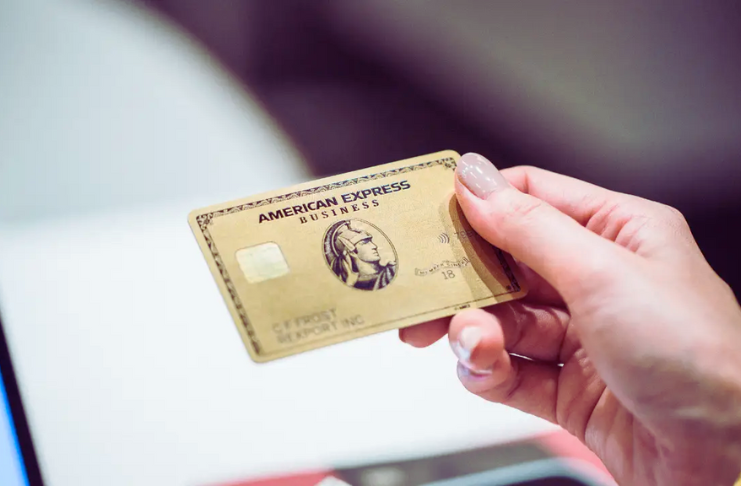
In the context of overseas credit card usage, American Express credit cards do come with distinct advantages over others.
For instance, it has its own payment network without having to rely on others. Not only that, American Express forbids merchants from indulging in any kind of “dynamic currency conversion” that we mentioned in the previous point.
For these two reasons alone, if you already have an Amex credit card, use it on your overseas sojourns. However, it’s important to note that because of these strict rules, not all establishments will accept American Express.
5. Use your credit card sparingly and at reputable merchants
Our final advice for you when it comes to using your credit card abroad is to do so sparingly and at reputable merchants only. At small, unknown businesses, try to use cash as much as possible, minimizing any card activity. This will reduce your chances of having fraudulent transactions.
Conclusion
Small steps can go a long way in keeping you protected from undue charges while using your credit card overseas. Remember these tips next time you plan to use your credit card overseas to help you avoid costly charges while traveling.